
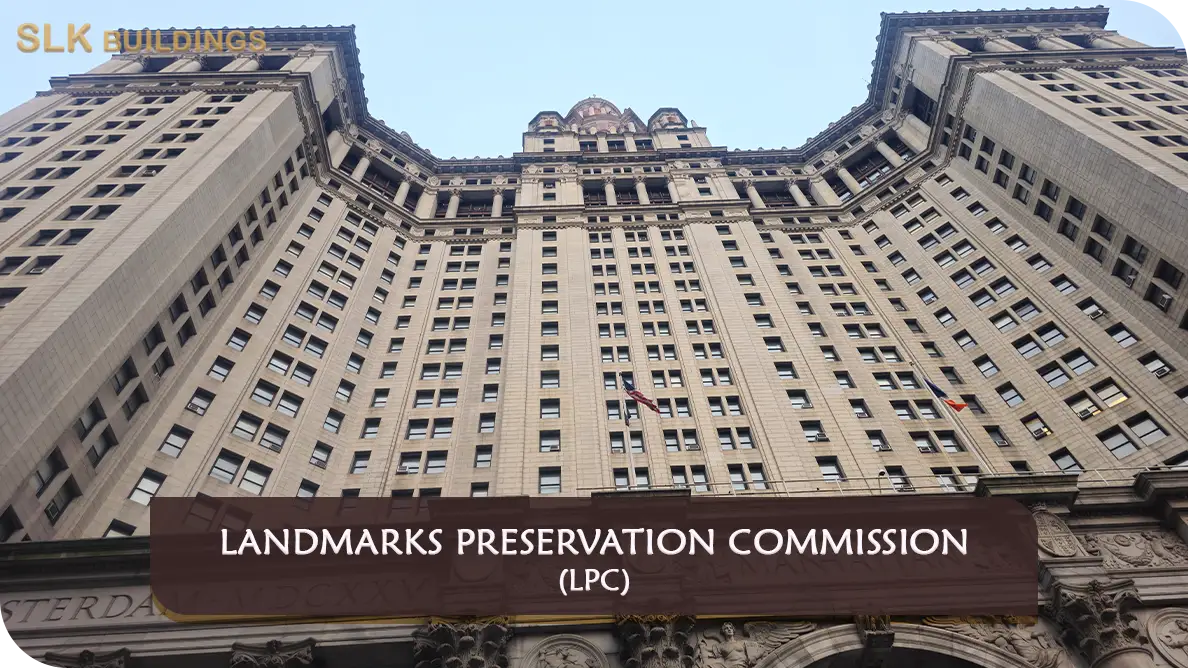
Storefronts and signage are among the most visible ways a historic building changes when a new business moves in. At a New York City landmark or inside a historic district, the Landmarks Preservation Commission (LPC) may review a replacement storefront, sign, awning, entrance or display window to protect historically significant details and the larger streetscape.
Owners and tenants often assume a sign permit, commercial lease, or contractor drawing is enough to begin installation. Landmark approval is a separate question. The correct application depends on the design, materials, attachment method, visibility, scope and whether the work also requires a Department of Buildings (DOB) permit.
For the full NYC LPC topic directory, including related permits, historic building alterations, research and compliance, visit the NYC LPC Permits and Historic Property Approvals resource center. The NYC Landmarks Preservation Commission Landing Page provides a broader introduction.
A storefront includes the street-level composition of windows, doors, framing, bulkheads, transoms and other architectural components that shape how a shop or restaurant meets the sidewalk. Signage can include painted, projecting, flat, illuminated or temporary signs, depending on the proposal.
Historic storefronts may have character-defining original elements. Even a modern storefront within a historic district can require LPC review. LPC guidance aims to make new business uses possible while respecting protected architecture.
A first review should document the existing storefront and the original building context, rather than design only for the tenant’s logo. Applicants file through Portico with current photos, elevations, detailed materials and project scope. LPC staff reviews compatibility with the protected property and relevant rules; more substantial departures may need a Commission hearing.
Eligible street-level commercial projects may qualify for LPC Business Express. A previously approved storefront or signage Master Plan can establish a repeat-work standard, but the proposed installation still must be checked for consistency and appropriate permits.

LPC reviews landmark compatibility. DOB can separately regulate signs and construction; DOT may regulate sidewalk or public-right-of-way activity; FDNY and other agencies may regulate fire or operating conditions. Landlords and tenants should identify separate responsibilities clearly.
Ordering long-lead storefront glass, signs and metal fabrication before approval risks producing a design that must be revised. The contractor should build from the final LPC-approved drawings and notify the team of any field changes.

Owners should document the storefront both close-up and in the full building elevation. A proposed sign may seem modest when shown alone but have a different impact on historic masonry or an established storefront rhythm.
Coordinating brand standards early can help the tenant adapt logo materials and lighting to the building instead of discovering the conflict after manufacturing.
SLK Buildings assists property owners, building managers, developers, business operators and project teams with landmark storefront and signage filings, material schedules, sign details and related agency coordination. For an initial conversation, share the property address, available photographs, proposed work, existing LPC or DOB permit numbers, and any relevant agency correspondence. SLK can help organize the filing, coordination and next actions, while LPC and the other responsible agencies make their own determinations and licensed professionals carry out the work legally reserved to them.
Disclaimer: SLK Buildings is a private consulting and construction-management firm and is not affiliated with the New York City Landmarks Preservation Commission or any government agency. This information is provided for general educational purposes and does not constitute legal, architectural, engineering, historic preservation, or other licensed professional advice. Applicable LPC approvals, permit requirements, hearings, and compliance obligations depend on the property, proposed work, and current agency rules. Where licensed or qualified professionals are required, those services must be performed by appropriately licensed or qualified providers.
New York City Landmarks Preservation Commission (LPC) requirements can affect a proposed alteration even when the project appears minor. Owners and project teams may need to confirm landmark designation, identify protected features, gather existing-condition photographs, prepare drawings and material information, and obtain LPC approval before starting regulated work.
LPC requirements may intersect with DOB construction permits, DCP zoning or land-use approvals, DOT sidewalk and street permissions, and OATH enforcement proceedings. The correct path depends on the designated property, the proposed scope, the applicable permit category, and whether staff review or a Commission hearing is necessary.
SLK Buildings assists with LPC application coordination, permit expediting, Portico submissions, records research, related professional coordination, agency comments, alteration approvals, landmark violations, and associated multi-agency filings within its confirmed scope of services.
Whether a project is at the research stage, awaiting an LPC response, being revised for a preservation concern, or addressing unauthorized work, maintaining consistent records and clear next actions can help the team coordinate the required approvals.
SLK Buildings provides free educational content to help property owners, business operators, developers, architects, contractors, and project teams understand LPC designation, current permit categories, Portico filing, historic-district alterations, hearings, violations, professional roles, and related DOB and other agency requirements.
For those who prefer professional assistance, SLK Buildings is available to coordinate LPC records review, filing-path research, application preparation, Portico submissions, agency comments and follow-up, design-professional coordination, permit and violation tracking, and connected NYC agency obligations. Final determinations and applicable professional work remain with the appropriate agency and qualified providers.
Disclaimer: SLK Buildings is a private consulting and construction-management firm and is not affiliated with the New York City Landmarks Preservation Commission or any government agency. This information is provided for general educational purposes and does not constitute legal, architectural, engineering, historic preservation, or other licensed professional advice. Applicable LPC approvals, permit requirements, hearings, and compliance obligations depend on the property, proposed work, and current agency rules. Where licensed or qualified professionals are required, those services must be performed by appropriately licensed or qualified providers.
Often yes at a designated property or within a historic district. The exact work and protected features determine the approval path.
No. LPC examines proposed signage and lighting under applicable historic property rules, while DOB and other requirements can also apply.
Research its approval and proposed reuse rather than assuming the condition was lawful or appropriate.
Qualifying street-level commercial projects can be directed by Portico to LPC Business Express for focused staff review.
Some filings require licensed design-professional drawings or coordination, especially where DOB permits or significant alterations are involved.