
Landmark Records and Permit Search for NYC Historic Properties
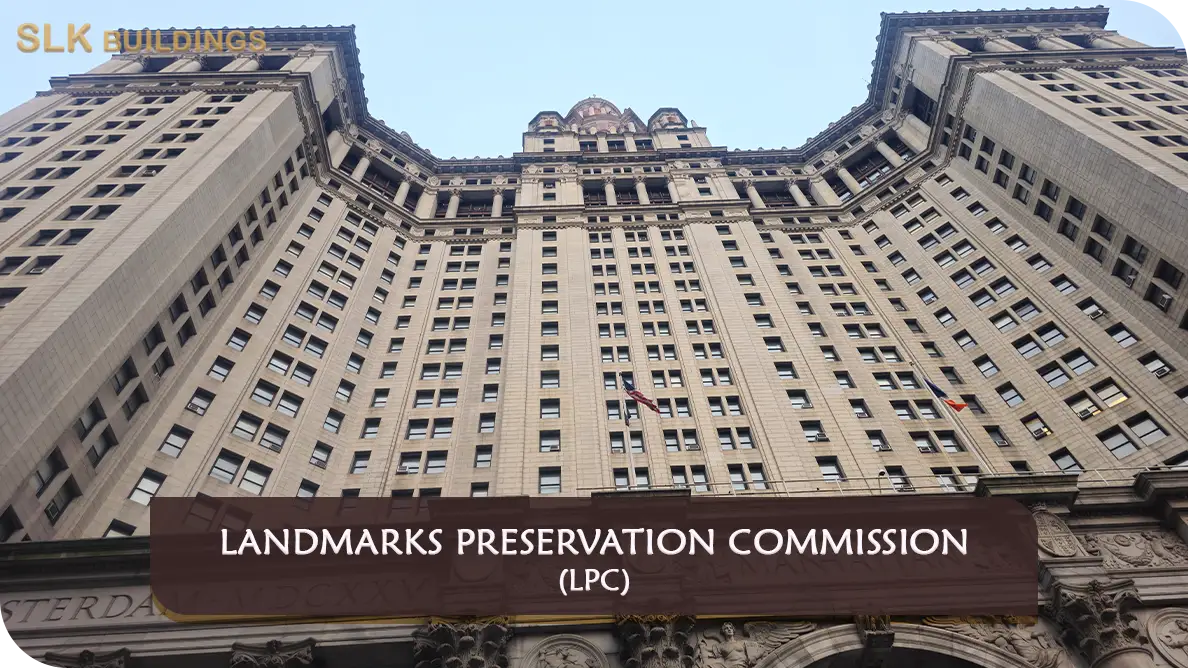
Landmark records and permit search tools can help property owners discover whether an address has protected status, earlier approvals, pending applications, historical architectural documentation or a known LPC violation. The New York City Landmarks Preservation Commission (LPC) makes several different research tools available, and each answers a different question.
A useful search should be tied to the exact property, borough, block and lot where available. An online permit result cannot guarantee a building is free of violations, that old work was lawful, or that a future proposal will be approved. Understanding the limits of each database is as important as finding a record.
For the full NYC LPC topic directory, including related permits, historic building alterations, research and compliance, visit the NYC LPC Permits and Historic Property Approvals resource center. The NYC Landmarks Preservation Commission Landing Page provides a broader introduction.
SLK Buildings assists with NYC LPC permits, filings, records, violations, and compliance.
Understanding Landmark Records and Permit Search
The Discover NYC Landmarks map identifies designated individual, interior and scenic landmarks and historic districts, with building-level information and links to designation reports. A designation report explains why the property or district is significant and documents features and appearance at the time of designation.
The Permit Application Search covers LPC permit applications and permits issued since January 1, 2016. The Permit Application Finder map provides mapped application information and includes active landmark violation information and rescinded violations since January 1, 2020. Older permit records may require a formal Records Access Request.
Questions Different LPC Records Can Answer
- Checking whether a building is protected before buying, leasing, renovating or replacing exterior components.
- Finding previous LPC-approved window, sign, storefront, roof or facade work before proposing a new design.
- Confirming the status or type of a pending or issued LPC application and identifying the docket number.
- Searching for designation photographs, historic architectural descriptions or other reference materials needed for preservation-sensitive work.
- Investigating known Warning Letters, summonses, legalization history or older permits before a purchase or DOB filing.
How to Research Designation and Permit History
Search the official designation map by address and review the exact location or mapped historic district boundary. Record the property name and the relevant designation report. Then search application and issued-permit records using an address or docket number, reviewing whether a result is pending or final and what work was actually approved.
For older projects or incomplete online evidence, determine whether the agency records access process is necessary. Keep source dates and agency record identifiers. Pending application descriptions can change as LPC staff reviews a proposal, and mapped violation status may also change.

Information to Record During an LPC Search
- Full street address and borough, block and lot if available, and alternate historical addresses where relevant.
- LPC designation report, historic district boundary screenshot and available historic photographs.
- Permit docket numbers, status, work type, approval date and downloaded permits or drawings where available.
- Prior applications, Commission hearing decisions and agency correspondence where access is permitted.
- Existing conditions photographed on site and compared with available officially approved records.
- Formal records access request details for applications before 2016 or documents not available in current public search tools.
LPC Records vs. DOB and Other Agency Databases
LPC historical and application data are distinct from DOB permit or violation databases, property tax and title records, DCP zoning maps, and OATH hearing records. A complete due diligence review may need several agencies, and the limits of every source should be recorded.
A previous permit may identify an approved design that remains helpful, but it does not establish that a new proposed alteration is automatically authorized. The current project team must confirm whether the new scope needs a new application or post-approval action.
How SLK Buildings Helps
- Help organize landmark records and permit search research to clarify previous approvals and property history.
- Coordinate property designation, permit docket and historic records research for project decision making within SLK Buildings’ actual consulting and construction-management scope.
- Organize project descriptions, dated photographs, plans, product details and supporting records so responsible parties work from a consistent application set.
- Track Portico submissions, LPC comments, needed revisions, follow-up correspondence, approval status and responsible next actions.
- Coordinate with the property owner, architect, engineer, qualified preservation professional, contractor, attorney or other appropriate provider where the work requires their services or certifications.
- Identify DOB, DCP, DOT, OATH, FDNY or other relevant agency matters where applicable while keeping their distinct responsibilities separate from LPC.

Common Historic Property Research Mistakes
- Confusing a building’s inclusion in a historic district with its having an individual landmark designation.
- Treating a pending application work description as an issued permit or final LPC-approved scope.
- Assuming no permit appears online because no permit was ever issued, despite older records lying outside the 2016 search period.
- Using an online map in place of legal title due diligence or a complete records access request.
- Failing to document the search date when a violation or permit status may later change.
Organizing Research for an LPC Application
Record the exact source, search terms and date alongside any downloaded evidence. This allows an architect, owner or agency coordinator to reproduce the search without relying on unsourced screenshots.
Before ordering replacement components, compare the building’s present condition with designation descriptions and earlier approved plans. Both historic records and later authorized alterations can inform an accurate application.
Contact SLK Buildings About Landmark Records and Permit Search
SLK Buildings assists property owners, building managers, developers, business operators and project teams with property designation, permit docket and historic records research for project decision making. For an initial conversation, share the property address, available photographs, proposed work, existing LPC or DOB permit numbers, and any relevant agency correspondence. SLK can help organize the filing, coordination and next actions, while LPC and the other responsible agencies make their own determinations and licensed professionals carry out the work legally reserved to them.
Disclaimer: SLK Buildings is a private consulting and construction-management firm and is not affiliated with the New York City Landmarks Preservation Commission or any government agency. This information is provided for general educational purposes and does not constitute legal, architectural, engineering, historic preservation, or other licensed professional advice. Applicable LPC approvals, permit requirements, hearings, and compliance obligations depend on the property, proposed work, and current agency rules. Where licensed or qualified professionals are required, those services must be performed by appropriately licensed or qualified providers.
🚧 Seeking Professional Guidance on NYC LPC Permits, Filings, and Landmark Compliance
New York City Landmarks Preservation Commission (LPC) requirements can affect a proposed alteration even when the project appears minor. Owners and project teams may need to confirm landmark designation, identify protected features, gather existing-condition photographs, prepare drawings and material information, and obtain LPC approval before starting regulated work.
LPC requirements may intersect with DOB construction permits, DCP zoning or land-use approvals, DOT sidewalk and street permissions, and OATH enforcement proceedings. The correct path depends on the designated property, the proposed scope, the applicable permit category, and whether staff review or a Commission hearing is necessary.
SLK Buildings assists with LPC application coordination, permit expediting, Portico submissions, records research, related professional coordination, agency comments, alteration approvals, landmark violations, and associated multi-agency filings within its confirmed scope of services.
Whether a project is at the research stage, awaiting an LPC response, being revised for a preservation concern, or addressing unauthorized work, maintaining consistent records and clear next actions can help the team coordinate the required approvals.
SLK Buildings Assists with NYC LPC Requirements
- Identify landmark status and historic district requirements before a project is designed or filed.
- Coordinate LPC Permit Applications in Portico and supporting project information, photographs, plans, and professional submissions.
- Coordinate appropriate Certificate of No Effect, Permit for Minor Work, or Certificate of Appropriateness application paths as determined by LPC.
- Organize storefront and signage work, window and door changes, facade restoration, and other protected-property alterations.
- Support LPC Violations and Legalization coordination, necessary corrections, and qualifying Notices of Compliance.
SLK Buildings provides free educational content to help property owners, business operators, developers, architects, contractors, and project teams understand LPC designation, current permit categories, Portico filing, historic-district alterations, hearings, violations, professional roles, and related DOB and other agency requirements.
For those who prefer professional assistance, SLK Buildings is available to coordinate LPC records review, filing-path research, application preparation, Portico submissions, agency comments and follow-up, design-professional coordination, permit and violation tracking, and connected NYC agency obligations. Final determinations and applicable professional work remain with the appropriate agency and qualified providers.
Disclaimer: SLK Buildings is a private consulting and construction-management firm and is not affiliated with the New York City Landmarks Preservation Commission or any government agency. This information is provided for general educational purposes and does not constitute legal, architectural, engineering, historic preservation, or other licensed professional advice. Applicable LPC approvals, permit requirements, hearings, and compliance obligations depend on the property, proposed work, and current agency rules. Where licensed or qualified professionals are required, those services must be performed by appropriately licensed or qualified providers.
Frequently Asked Questions
Where do I check landmark status?
Start with the official Discover NYC Landmarks map and property designation information.
Can I see LPC permits from before 2016 online?
The public Permit Application Search begins in 2016. Older records may require an LPC Records Access Request.
Does the map show every historic property restriction?
Use it as a starting research tool, then confirm designation reports, current rules and other applicable records.
Can a permit search prove the existing work is legal?
Not necessarily. Compare the issued approval and its scope with conditions in the building and other relevant agency records.
Can I use a search result instead of a title report?
No. LPC warns its mapped permit and violation information is not a substitute for legal due diligence.
Related Resources
- NYC LPC Permits and Historic Property Approvals ~ Return to the complete LPC Parent Page and all other topics.
- NYC Landmarks Preservation Commission Landing Page ~ Learn what the agency does and when its review may matter.
- Landmark Status and Historic Districts ~ Explore the related LPC application, work type, research or compliance requirement.
- LPC Permit Applications ~ Explore the related LPC application, work type, research or compliance requirement.
- LPC Violations and Legalization ~ Explore the related LPC application, work type, research or compliance requirement.
- Notices of Compliance ~ Explore the related LPC application, work type, research or compliance requirement.
- LPC Master Plans ~ Explore the related LPC application, work type, research or compliance requirement.
- NYC Violations ~ Broader cross-agency violations resource.
- Department of Records and Information Services ~ Separate City government archive and records resources.
Official Government References
- NYC LPC ~ Discover NYC Landmarks Maps ~ Official property designation and historic district research.
- NYC LPC ~ Official Designation Reports ~ Designation documentation and historic context.
- NYC LPC ~ Permit Application Search ~ Application and permit search since January 1, 2016.
- NYC LPC ~ Permit Application Finder ~ Map-based permit and violation research tool.
- NYC LPC ~ Landmark Designation Information ~ Designation type and property protection overview.
- NYC LPC ~ Technical Preservation Resources ~ Detailed building-work, material and technical guidance.