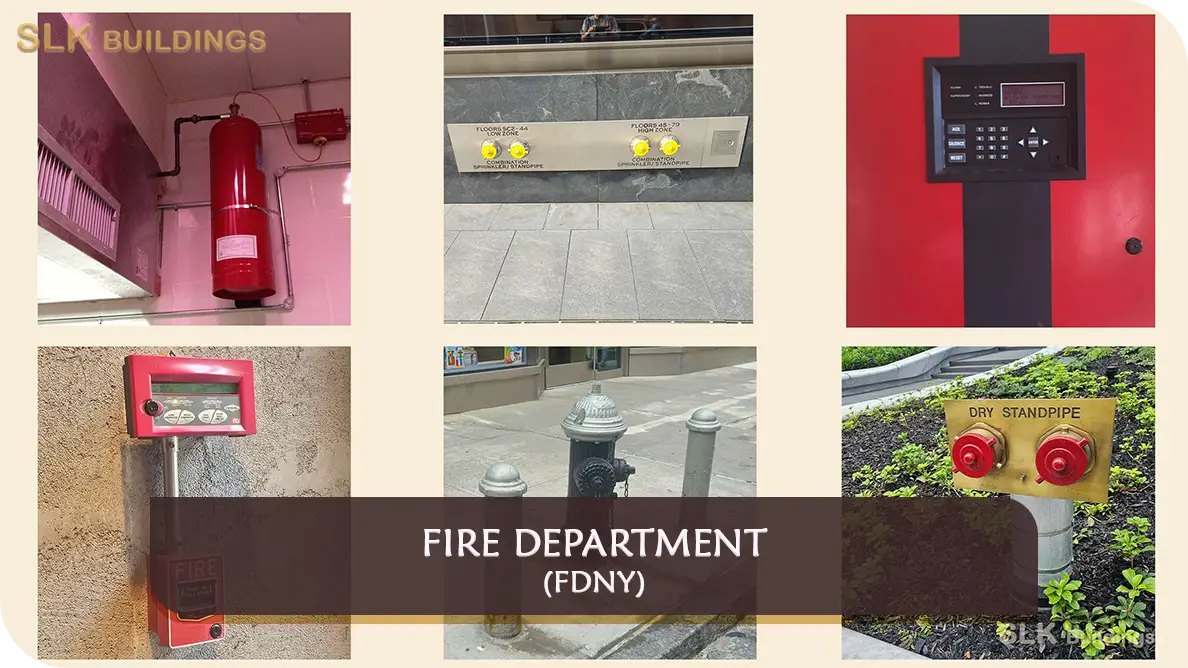


FDNY Technology Management handles specified technical submissions involving fire protection and life safety systems, engineering proposals, product approvals and certain variances. Applicants may need to submit drawings, forms, professional documentation and amendments through FDNY Business. The correct filing route depends on the system and the action requested.
A fire alarm plan, rangehood application, Auxiliary Radio Communication System submission or other technical proposal may intersect with DOB work permits. The FDNY technical review and DOB construction approval are different decisions. Properly organizing drawings, professional responsibilities and agency comments helps prevent work from following an incorrect approval sequence.
For the wider FDNY service directory, review NYC FDNY Permits, Inspections and Fire Safety Resources. For agency responsibilities and SLK assistance, see Fire Department FDNY Services in NYC. Use the Find Your FDNY Topic navigation to locate related requirements.
Choose the service that matches your permit, inspection, certificate, fire safety, enforcement or commercial kitchen issue. Use the FDNY directory for a broader overview.
FDNY Technology Management is the Fire Department function that reviews technical materials for identified fire safety systems and specialized proposals. Its online service lists Fire Alarm Applications, Engineering Applications, Rangehood Applications, Auxiliary Radio Communication Systems, Certificates of Approval and related variances.
A Technology Management record may involve a new application, amendment, supporting engineering document, request for professional certification or a response to comments. Use the category that matches the official project scope rather than submitting a generic fire safety request.
Applicability depends on the actual premises, regulated activity, equipment and current agency requirements. Common situations include:
Choose the exact Technology Management application type and determine whether it is new, amended, a certification, or another agency-approved route.
Determine the required registered design professional, licensed contractor, equipment specialist or authorized applicant and obtain the correct signed documents.
Submit forms, drawings, calculations and supporting files using the online process. Preserve the record ID, revision history and agency objections.
When review leads to an inspection or system test, arrange the separate request and keep resulting approvals and Letters of Approval in the project closeout record.
SLK Buildings can support coordination and records management when the service fits its agreed scope. Appropriate licensed and certified providers retain responsibility for regulated work and formal professional certifications.
The precise agency checklist depends on the filing, inspection or record type. Organizing these common items before beginning can reduce avoidable follow-up:
FDNY may approve, request revisions, identify missing documents or require a further stage before commissioning. Filing a plan does not itself authorize installation or occupancy. The agency portal provides program-specific training resources and guides for submissions and payments.
A technical change after approval may need an amendment or another review. Preserve prior and current drawing sets, and ask the responsible design professional which agency filings must change.
DOB administers applicable building, construction and work permits; FDNY Technology Management evaluates the specified fire protection submission under FDNY rules. The review scopes can overlap technically while retaining independent approvals.
SLK may coordinate schedule, submissions and records within its agreed scope, but engineering judgments, seal requirements and professional certifications belong to appropriately licensed or qualified parties.
Before submitting a fire alarm application, determine whether the FDNY Technology Management route applies to a new system, an alteration, an amendment, an as-built plan or an alternate certification process. The appropriate professional should use the current FDNY Business application and plan-review instructions.
The FDNY plan-review index references TM-1 forms, while modern applications are handled through FDNY Business. Older paper forms or hand-delivery instructions may apply only to specific legacy/as-built situations. Check the current workflow before filing.
Plan approval is not always permission to begin installation. FDNY identifies a separate Project Authorization request after approval for certain Fire Alarm, Rangehood, Engineering Non-water Fire Suppression and Auxiliary Radio Communication System applications.
Where required, request Project Authorization through FDNY Business, confirm the responsible contractor and credential information, and obtain the authorization before the work or inspection scheduling indicated by FDNY.
After installation, arrange the applicable pretest, FDNY inspection or acceptance procedure and retain the resulting Letter of Approval and test records. A plan approval, Project Authorization and operating permit are three different milestones.
FDNY lists a Fire Suppression (Water) Plan Review route, including Building Plan Work Application Section 6A instructions. This relates to certain water-based fire suppression reviews and is distinct from FDNY non-water fire extinguishing applications.
Not every sprinkler or standpipe project follows the same FDNY plan path. DOB continues to administer applicable construction permit and sign-off work. Determine which FDNY notification, review, inspection, water-system test and DOB submission applies to the actual building and project date.
For an FDNY water review, assemble the approved system drawings, DOB job information where relevant, previously accepted plans, applicable test records and any specifically requested FDNY form. Do not treat a historical Section 6A form as mandatory for every modern filing.
An FDNY modification or variance is a formal request for relief from an identified Fire Code or Fire Rule requirement. It is not permission to ignore an existing safety condition. FDNY evaluates a particular proposal under applicable rules, including Fire Code section 104.8, and may require alternative safeguards.
FDNY Business provides Fire Code and Fire Alarm variance application categories. Prepare the exact code provision, existing conditions, why strict compliance cannot be achieved, proposed alternative protection, drawings and supporting professional explanation.
A variance is not granted because an application was filed. Obtain the written FDNY determination and keep it with the final project records before relying on any modified requirement.
For assistance involving fdny technology management, provide the full New York City premises address, the current agency notice or record number, the relevant project documents and the action you are trying to complete. SLK can review the coordination scope and identify which technical or agency questions need the responsible professional or owner.
Use the SLK Buildings Contact Us form or Request a Proposal for an inquiry. Where legal representation, engineering judgment or certification is required, an appropriately qualified provider must handle that work.
New York City property owners and businesses may need FDNY permits, inspections, certificates, technical approvals, or fire safety records. The applicable requirement depends on the building, its use, the equipment, and the activity taking place. An operating permit, individual Certificate of Fitness, product approval, and inspection are different obligations. Identifying the correct type of approval early can prevent avoidable filing problems.
FDNY administers fire prevention, life safety, and related enforcement requirements within its authority. DOB separately administers applicable construction permits and building-code approvals. Certain FDNY civil summonses may be heard by OATH, while FDNY still controls the relevant correction documentation. Owners and project teams should confirm which agency has responsibility before treating one approval as a substitute for another.
SLK Buildings may assist within its agreed consulting and construction-management scope by organizing project records, researching applicable filing routes, coordinating with owners and project teams, and tracking agency correspondence. Architects, engineers, fire protection professionals, contractors, and certified personnel must perform regulated work or sign documents when the law requires their qualifications.
Useful preparation includes accurate premises information, existing permits, approved plans, service and inspection records, responsible contacts, and a list of open questions. When an inspection, repair, correction request, or renewal is involved, separating outstanding tasks from completed and agency-accepted actions helps the team establish sensible next steps.
SLK Buildings offers free information on FDNY permits, inspections, recordkeeping, and agency responsibilities. See NYC FDNY permits, inspections, and fire safety resources for requirements that may apply to your property or business.
For professional assistance, SLK may help coordinate documentation, filings, communications, and follow-up within a defined project scope. Use the Contact Us form or Request a Proposal form to explain the property, activity, documents available, and the next agency action. Regulated professional services must be arranged with the appropriate qualified providers.
SLK Buildings is a private consulting and construction-management firm, not affiliated with the Fire Department of the City of New York (FDNY), DOB, OATH, or any government agency. Information about FDNY permits, commercial cooking systems, inspections, fire safety, and enforcement is for general education only, not legal, architectural, engineering, fire protection engineering, or other licensed professional advice. Requirements depend on property conditions, activities, current codes, and agency determinations. Qualified or licensed professionals must perform regulated services. FDNY and other agencies control their decisions. SLK does not guarantee permits, approvals, inspections, correction acceptance, violation dismissals, or hearing outcomes.
No. Both may review related aspects of a project, but they act under different legal authorities and issue distinct approvals.
FDNY directs Technology Management applications, amendments and related requests through FDNY Business. Follow the current category-specific online instructions.
A material change to an approved system or proposal may require another filing. The responsible professional should compare the revised scope against the approval and agency rules.
Not necessarily. Installation, inspection and testing may remain outstanding under the relevant FDNY and DOB programs.
It applies to particular regulated products or equipment, while Technology Management may also review project-specific engineering systems and proposals.