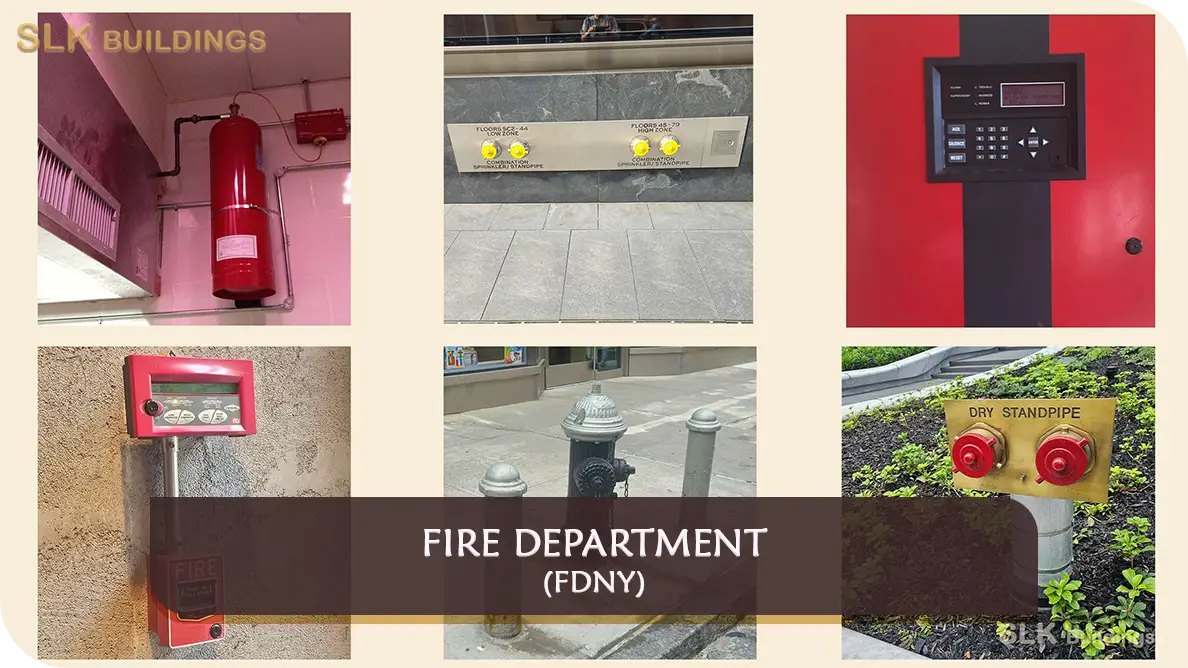


FDNY building system tests may be required for certain fire alarms, fire protection equipment and life safety installations. The selected test depends on the approved system, stage of construction, applicant qualifications and agency instructions. Test reports, inspector findings and issued records are important evidence for building operations and project closeout.
A request for a fire alarm acceptance test is different from regular maintenance performed by a service company, and neither necessarily completes a DOB construction sign-off. An owner should understand the purpose of the test, which professionals must attend, and how an unsuccessful result will be corrected.
For the wider FDNY service directory, review NYC FDNY Permits, Inspections and Fire Safety Resources. For agency responsibilities and SLK assistance, see Fire Department FDNY Services in NYC. Use the Find Your FDNY Topic navigation to locate related requirements.
Choose the service that matches your permit, inspection, certificate, fire safety, enforcement or commercial kitchen issue. Use the FDNY directory for a broader overview.
FDNY testing is intended to verify performance or compliance for systems subject to Fire Department inspection. The agency publishes request procedures and documents by test category. A test record should identify the specific equipment, premises, report date and whether FDNY accepted or rejected the result.
Ongoing service inspections, commissioning, system acceptance and follow-up tests may have different legal purposes. A contractor’s routine maintenance form should not be described as an agency acceptance record unless FDNY actually issued that decision.
Applicability depends on the actual premises, regulated activity, equipment and current agency requirements. Common situations include:
Match the system, prior FDNY review and stage of work to the current request category and applicant-qualification list.
Confirm system operation, approved drawings, access, power and utilities, qualified technicians and all requested forms or sign-offs.
Use FDNY Business for applicable testing and cancellation, retain the request number and follow scheduling instructions.
Keep the test result, defects, required repairs, retest evidence and final FDNY approval or related Letter of Approval where applicable.
SLK Buildings can support coordination and records management when the service fits its agreed scope. Appropriate licensed and certified providers retain responsibility for regulated work and formal professional certifications.
The precise agency checklist depends on the filing, inspection or record type. Organizing these common items before beginning can reduce avoidable follow-up:
An FDNY inspector may witness or evaluate the prescribed test, identify defective or missing components, or request additional information. A failed test is not equivalent to an automatic summons; the actual Notice of Defects or enforcement document determines the response.
After a successful test, confirm whether the next required agency step is issue of an LOA, permit, inspection clearance, or additional DOB work. Do not assume that all documents are generated simultaneously.
DOB inspects construction work within its jurisdiction, including relevant technical trade scopes. FDNY may separately perform Fire Code testing of certain systems. Each agency can require distinct records before the project is complete.
Only qualified parties should perform regulated testing, certify installation and sign specialized forms. SLK can organize agency requests and documentary handoffs but must not claim that it performs FDNY acceptance tests or engineering services.
Testing and maintenance work on fire alarm or other systems may involve both an individual FDNY Certificate of Fitness and a recognized servicing company. Fire alarm technicians may need S-97 or S-98 for work beyond routine visual supervision; other roles can have narrower scopes.
A site logbook should identify the company, personnel, credential numbers, work performed, defects, test date and disposition. Keep test records separate from plan approval, DOB construction sign-offs and FDNY operating permit records.
For assistance involving fdny building system tests, provide the full New York City premises address, the current agency notice or record number, the relevant project documents and the action you are trying to complete. SLK can review the coordination scope and identify which technical or agency questions need the responsible professional or owner.
Use the SLK Buildings Contact Us form or Request a Proposal for an inquiry. Where legal representation, engineering judgment or certification is required, an appropriately qualified provider must handle that work.
New York City property owners and businesses may need FDNY permits, inspections, certificates, technical approvals, or fire safety records. The applicable requirement depends on the building, its use, the equipment, and the activity taking place. An operating permit, individual Certificate of Fitness, product approval, and inspection are different obligations. Identifying the correct type of approval early can prevent avoidable filing problems.
FDNY administers fire prevention, life safety, and related enforcement requirements within its authority. DOB separately administers applicable construction permits and building-code approvals. Certain FDNY civil summonses may be heard by OATH, while FDNY still controls the relevant correction documentation. Owners and project teams should confirm which agency has responsibility before treating one approval as a substitute for another.
SLK Buildings may assist within its agreed consulting and construction-management scope by organizing project records, researching applicable filing routes, coordinating with owners and project teams, and tracking agency correspondence. Architects, engineers, fire protection professionals, contractors, and certified personnel must perform regulated work or sign documents when the law requires their qualifications.
Useful preparation includes accurate premises information, existing permits, approved plans, service and inspection records, responsible contacts, and a list of open questions. When an inspection, repair, correction request, or renewal is involved, separating outstanding tasks from completed and agency-accepted actions helps the team establish sensible next steps.
SLK Buildings offers free information on FDNY permits, inspections, recordkeeping, and agency responsibilities. See NYC FDNY permits, inspections, and fire safety resources for requirements that may apply to your property or business.
For professional assistance, SLK may help coordinate documentation, filings, communications, and follow-up within a defined project scope. Use the Contact Us form or Request a Proposal form to explain the property, activity, documents available, and the next agency action. Regulated professional services must be arranged with the appropriate qualified providers.
SLK Buildings is a private consulting and construction-management firm, not affiliated with the Fire Department of the City of New York (FDNY), DOB, OATH, or any government agency. Information about FDNY permits, commercial cooking systems, inspections, fire safety, and enforcement is for general education only, not legal, architectural, engineering, fire protection engineering, or other licensed professional advice. Requirements depend on property conditions, activities, current codes, and agency determinations. Qualified or licensed professionals must perform regulated services. FDNY and other agencies control their decisions. SLK does not guarantee permits, approvals, inspections, correction acceptance, violation dismissals, or hearing outcomes.
No. A contractor can test or service equipment, but an FDNY agency test or acceptance requires its own procedure and recorded outcome where applicable.
Applicant qualifications depend on the system and test type. Check FDNY’s current guidance rather than assuming the owner or general contractor may submit every request.
Record the precise findings and determine the proper repair, certification or retest route. Do not rely on a general statement that the contractor fixed everything.
Not automatically. DOB may require construction inspections, reports, special inspections or separate sign-offs before permit closeout.
Historical records help identify accepted equipment configurations, recurring defects, maintenance history and the scope of later modifications.