

FDNY Standpipe Systems, DOB Work and Inspections

SLK Buildings NYC Fire Department (FDNY) Safety Compliance

FDNY standpipe systems provide firefighters with hose connections and a water supply during building emergencies. Owners planning installation, alteration or repair should distinguish DOB construction permits from FDNY fire-prevention notifications and any applicable inspections. The route differs from routine maintenance and depends on the building and the proposed work.

Standpipe changes can affect emergency response in tall buildings, assembly venues, residential properties and construction sites. Before work begins, the owner should assemble the approved system drawings, licensed contractor information, planned shutdown periods and current inspection records.

For an introduction to Fire Department responsibilities, visit Fire Department FDNY Services in NYC. For the wider service directory, visit NYC FDNY Services.

SLK Buildings assists with NYC FDNY permits, inspections, records, and compliance coordination.

Find Your FDNY Topic

Choose the service that matches your permit, inspection, certificate, fire safety, enforcement or commercial kitchen issue. Use the FDNY directory for a broader overview.

FDNY Service Directory

Fire Department Services

Understanding FDNY Standpipe Systems

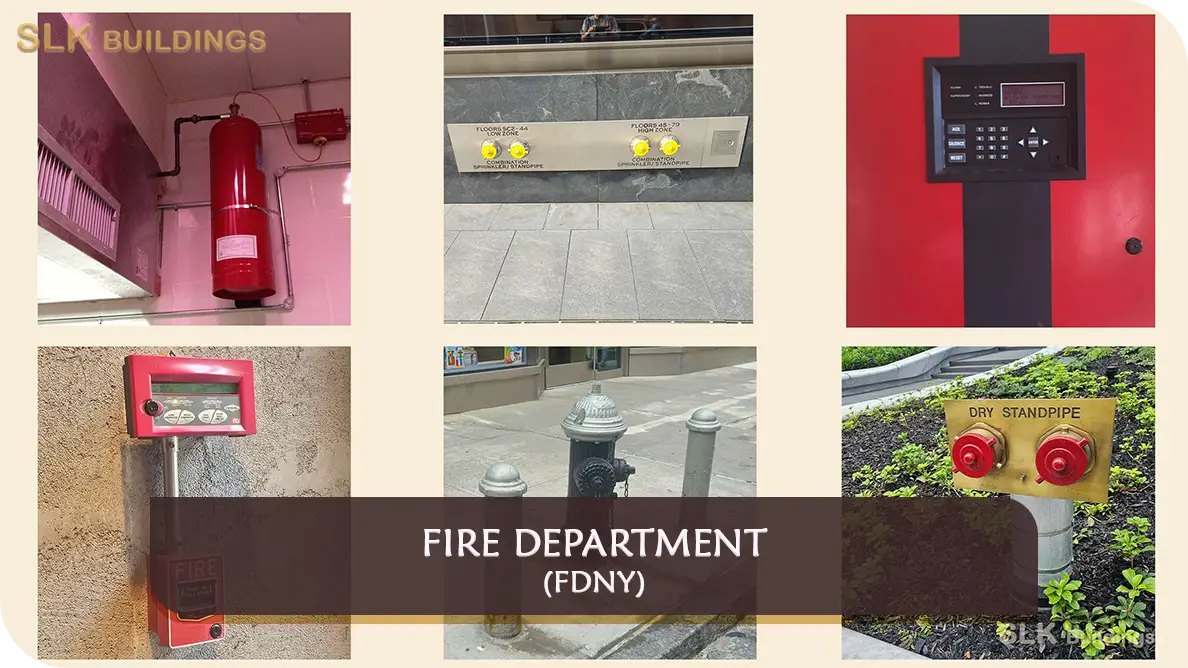
A standpipe system includes piping, hose outlets, fire department connections, valves and water-supply components designed for firefighting. Improper outlet locations, incompatible pressure regulation, obstructed access or incomplete system tests can affect safety even where other protection systems are functioning.

DOB’s standpipe owner checklist identifies required FDNY notice for alterations and temporary impairments. It also specifies FP-84 upon completed work before DOB sign-off. The responsible professionals should confirm the latest procedures and whether the project affects related pumps or alarms.

Who May Need This FDNY Process?

Applicability depends on the property, regulated activity, equipment, current rules and the precise FDNY or DOB record. Common situations include:

  • A renovation changes stairwell piping or standpipe hose outlet locations.
  • A building plans a standpipe shutdown while occupants or construction crews remain present.
  • An inspection identifies valve, hose outlet or fire department connection problems.
  • The contractor completed work but DOB and FDNY records do not agree.

How the Process Generally Works

Review system drawings

Identify the riser, hose outlets, supply, floor coverage and proposed changes.

Confirm DOB filing

Engage the appropriate design professional and licensed fire suppression contractor.

Notify FDNY where required

Plan temporary impairments, protection arrangements and required notices.

Complete acceptance activities

Collect testing records, any FP-84 filing and relevant inspection results.

Verify closure

Confirm agency sign-offs and update owners’ system maintenance records.

How SLK Buildings Helps with FDNY Standpipe Systems

SLK Buildings may assist property owners, business operators and project teams with organizing existing documents, identifying the applicable filing route, tracking agency correspondence and coordinating follow-up with the responsible professionals. The assistance depends on the agreed scope and the actual requirements for the premises.

SLK does not replace the architect, engineer, licensed contractor, certified technician or attorney responsible for services reserved to those professionals. FDNY and other agencies decide whether submissions, tests, corrections and permits are accepted.

Documents and Records to Prepare

A useful initial record set allows the property owner and responsible professional to identify the appropriate agency route before filing or requesting an inspection:

  • Approved standpipe drawings and equipment schedules.
  • DOB filings, licensed contractor records and work permits.
  • Pressure or flow test records and inspection correspondence.
  • FDNY notice, impairment and FP-84 documentation where applicable.

Retain dated copies of applications, acknowledgments, test results, correspondence and accepted documents. Avoid relying solely on a payment receipt or an unsent draft.

Common Problems and Safety Considerations

  • Reducing or interrupting standpipe service can create an immediate safety concern.
  • A standpipe change may affect fire pumps, alarm supervision or sprinkler piping.
  • Equipment approval depends on the particular component and applicable code.
  • System status should be communicated clearly to building management and responding agencies.

FDNY, DOB and Other Agency Responsibilities

DOB permits and signs off on applicable standpipe construction. FDNY has specified notification, impairment and operational functions. The building owner must coordinate the two tracks rather than assume either agency’s document substitutes for the other.

Always distinguish fire-prevention permission to operate from construction permits, personal credentials, product approvals and hearing procedures. One agency authorization should not be described as approval from another agency.

Standpipe Water-System Review and Permit Records

Standpipe construction and changes generally involve DOB filing and sign-off responsibilities. FDNY water-system guidance, notifications, acceptance activities and inspection requirements must be checked separately for the specific building.

FDNY plan-review resources include a Fire Suppression (Water) route. An older application reference or historic DOB plan number does not determine the current filing path by itself. Coordinate approved drawings, FP-84 records where applicable, testing and any FDNY correspondence.

Standpipe Supervision and Ongoing Maintenance

FDNY identifies S-13 for standpipe-system supervision and S-14 for multi-zone standpipe supervision when that category applies. Required system oversight is separate from the specialized construction and acceptance work performed by licensed contractors.

Maintain the responsible credential holder records, routine inspection and defect logs, test reports and documented corrective actions. Where a standpipe is out of service, apply the appropriate impairment notification and fire-watch procedures.

Contact SLK Buildings

If an FDNY filing, inspection, approval or correction is outstanding, assemble the address, notices, existing approvals, system information and relevant deadlines before requesting assistance. Contact SLK Buildings using Contact Us or Request a Proposal for a project-specific discussion.

🚧 Seeking Professional Guidance on NYC FDNY Permits, Inspections, and Fire Safety Compliance

New York City property owners and businesses may need FDNY permits, inspections, certificates, technical approvals, or fire safety records. The applicable requirement depends on the building, its use, the equipment, and the activity taking place. An operating permit, individual Certificate of Fitness, product approval, and inspection are different obligations. Identifying the correct type of approval early can prevent avoidable filing problems.

FDNY administers fire prevention, life safety, and related enforcement requirements within its authority. DOB separately administers applicable construction permits and building-code approvals. Certain FDNY civil summonses may be heard by OATH, while FDNY still controls the relevant correction documentation. Owners and project teams should confirm which agency has responsibility before treating one approval as a substitute for another.

SLK Buildings may assist within its agreed consulting and construction-management scope by organizing project records, researching applicable filing routes, coordinating with owners and project teams, and tracking agency correspondence. Architects, engineers, fire protection professionals, contractors, and certified personnel must perform regulated work or sign documents when the law requires their qualifications.

Useful preparation includes accurate premises information, existing permits, approved plans, service and inspection records, responsible contacts, and a list of open questions. When an inspection, repair, correction request, or renewal is involved, separating outstanding tasks from completed and agency-accepted actions helps the team establish sensible next steps.

SLK Buildings Assists with NYC FDNY Requirements

SLK Buildings offers free information on FDNY permits, inspections, recordkeeping, and agency responsibilities. See NYC FDNY permits, inspections, and fire safety resources for requirements that may apply to your property or business.

For professional assistance, SLK may help coordinate documentation, filings, communications, and follow-up within a defined project scope. Use the Contact Us form or Request a Proposal form to explain the property, activity, documents available, and the next agency action. Regulated professional services must be arranged with the appropriate qualified providers.

SLK Buildings is a private consulting and construction-management firm, not affiliated with the Fire Department of the City of New York (FDNY), DOB, OATH, or any government agency. Information about FDNY permits, commercial cooking systems, inspections, fire safety, and enforcement is for general education only, not legal, architectural, engineering, fire protection engineering, or other licensed professional advice. Requirements depend on property conditions, activities, current codes, and agency determinations. Qualified or licensed professionals must perform regulated services. FDNY and other agencies control their decisions. SLK does not guarantee permits, approvals, inspections, correction acceptance, violation dismissals, or hearing outcomes.

Frequently Asked Questions

Who issues permits for standpipe installation work?

DOB issues applicable construction permits; FDNY has separate oversight and notice responsibilities.

What is FP-84?

DOB guidance identifies it as an FDNY standpipe completion-related filing before applicable DOB sign-off.

Can a contractor shut the standpipe without informing anyone?

Required safeguards and notices must be assessed before taking fire protection service out of operation.

Do standpipes and sprinklers follow identical requirements?

No. They may share building systems but have different components and relevant filing records.