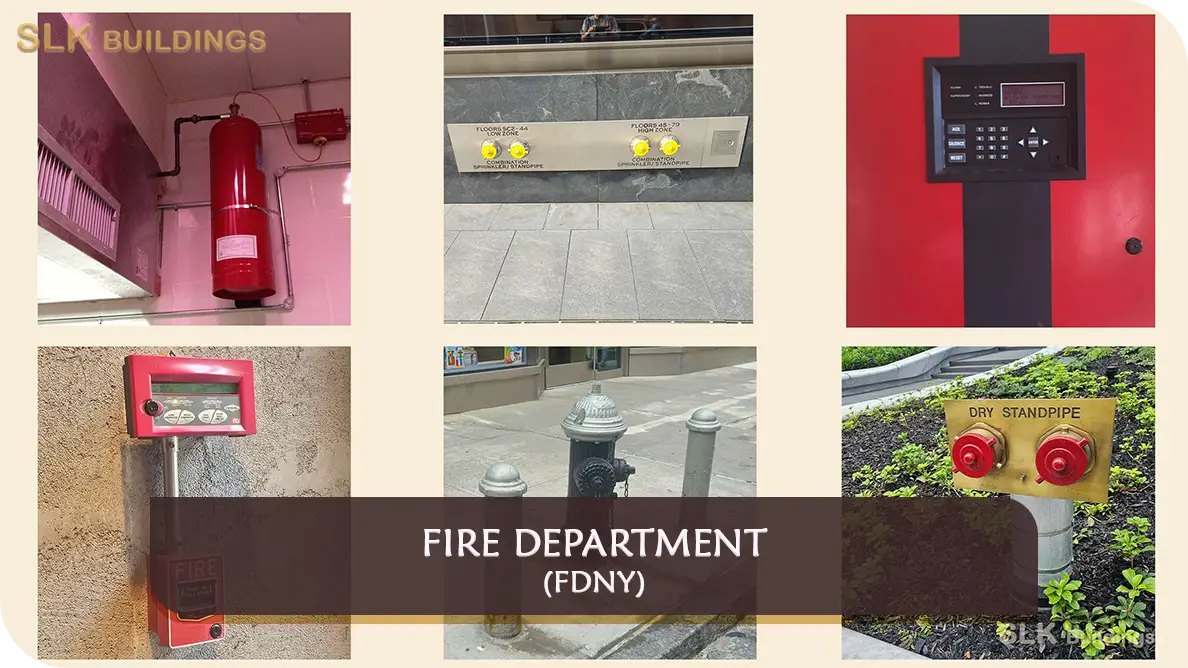


FDNY fire protection impairments occur when a required sprinkler, standpipe, fire alarm or other fire protection system is out of service or cannot function as intended. An impairment can create an immediate safety obligation, including notification, temporary protection, a fire watch or evacuation depending on the condition and current Fire Code instructions.
The responsible owner or operator should not treat the outage as a routine maintenance inconvenience. The duration, affected area, building occupancy, activity and system involved matter. A designated impairment coordinator and appropriately qualified fire guards may be required, and restoration should be documented.
For the wider FDNY service directory, review NYC FDNY Permits, Inspections and Fire Safety Resources. For agency responsibilities and SLK assistance, see Fire Department FDNY Services in NYC. Use the Find Your FDNY Topic navigation to locate related requirements.
Choose the service that matches your permit, inspection, certificate, fire safety, enforcement or commercial kitchen issue. Use the FDNY directory for a broader overview.
The 2022 NYC Fire Code addresses out-of-service protection systems in Chapter 9. When applicable, the owner must designate an impairment coordinator, notify appropriate parties and provide the protection or evacuation measures directed by the code and FDNY.
A fire watch involves assigned personnel monitoring the affected areas for signs of fire and carrying out the specified responsibilities. A watchperson at a construction site is not automatically a substitute for a required FDNY-certified fire guard. Hot work can be restricted when protection systems are impaired.
Applicability depends on the actual premises, regulated activity, equipment and current agency requirements. Common situations include:
Record the exact system, affected floors and areas, start time, cause and status. Protect occupants and contact emergency services when there is immediate danger.
Follow the applicable Fire Code and FDNY instructions for impairment coordination, notifications, fire watch, evacuation or restrictions on hazardous activities.
Have licensed or otherwise qualified parties correct the defect and complete required testing or agency notification. Keep fire watch in place until the applicable restoration conditions are met.
Document the end time, restored system status, testing, agency notices and instructions for resuming normal operations.
SLK Buildings can support coordination and records management when the service fits its agreed scope. Appropriate licensed and certified providers retain responsibility for regulated work and formal professional certifications.
The precise agency checklist depends on the filing, inspection or record type. Organizing these common items before beginning can reduce avoidable follow-up:
The correct protective measure depends on the actual impairment and legal requirements. Owners should consult the governing Fire Code, property-specific emergency procedures and FDNY guidance. A short planned outage is not automatically exempt from safety measures.
Restoration requires more than restarting a control panel. The responsible technical party should verify service and document any required agency communications. Significant or continuing impairment can require escalated management decisions.
FDNY administers Fire Code requirements for out-of-service fire protection. DOB may have separate construction-site and work-permit requirements when an impairment is tied to alteration work.
Qualified licensed contractors, certificate holders and other authorized personnel must perform their reserved tasks. SLK can help coordinate records and parties, but immediate life safety action belongs with the owner, building safety staff and emergency authorities.
For assistance involving fdny fire protection impairments, provide the full New York City premises address, the current agency notice or record number, the relevant project documents and the action you are trying to complete. SLK can review the coordination scope and identify which technical or agency questions need the responsible professional or owner.
Use the SLK Buildings Contact Us form or Request a Proposal for an inquiry. Where legal representation, engineering judgment or certification is required, an appropriately qualified provider must handle that work.
New York City property owners and businesses may need FDNY permits, inspections, certificates, technical approvals, or fire safety records. The applicable requirement depends on the building, its use, the equipment, and the activity taking place. An operating permit, individual Certificate of Fitness, product approval, and inspection are different obligations. Identifying the correct type of approval early can prevent avoidable filing problems.
FDNY administers fire prevention, life safety, and related enforcement requirements within its authority. DOB separately administers applicable construction permits and building-code approvals. Certain FDNY civil summonses may be heard by OATH, while FDNY still controls the relevant correction documentation. Owners and project teams should confirm which agency has responsibility before treating one approval as a substitute for another.
SLK Buildings may assist within its agreed consulting and construction-management scope by organizing project records, researching applicable filing routes, coordinating with owners and project teams, and tracking agency correspondence. Architects, engineers, fire protection professionals, contractors, and certified personnel must perform regulated work or sign documents when the law requires their qualifications.
Useful preparation includes accurate premises information, existing permits, approved plans, service and inspection records, responsible contacts, and a list of open questions. When an inspection, repair, correction request, or renewal is involved, separating outstanding tasks from completed and agency-accepted actions helps the team establish sensible next steps.
SLK Buildings offers free information on FDNY permits, inspections, recordkeeping, and agency responsibilities. See NYC FDNY permits, inspections, and fire safety resources for requirements that may apply to your property or business.
For professional assistance, SLK may help coordinate documentation, filings, communications, and follow-up within a defined project scope. Use the Contact Us form or Request a Proposal form to explain the property, activity, documents available, and the next agency action. Regulated professional services must be arranged with the appropriate qualified providers.
SLK Buildings is a private consulting and construction-management firm, not affiliated with the Fire Department of the City of New York (FDNY), DOB, OATH, or any government agency. Information about FDNY permits, commercial cooking systems, inspections, fire safety, and enforcement is for general education only, not legal, architectural, engineering, fire protection engineering, or other licensed professional advice. Requirements depend on property conditions, activities, current codes, and agency determinations. Qualified or licensed professionals must perform regulated services. FDNY and other agencies control their decisions. SLK does not guarantee permits, approvals, inspections, correction acceptance, violation dismissals, or hearing outcomes.
The applicable Fire Code specifies protective measures for required systems out of service. The exact staffing, affected area and alternatives must be assessed under current rules and FDNY directions.
That depends on the type and duration of the impairment and the applicable qualification rules. Do not assume any employee satisfies a required F-01 fire guard role.
Restrictions may apply when fire protection is out of service. Review Fire Code requirements and the responsible safety professional’s instructions before authorizing work.
The building owner designates the responsible person as required by the Fire Code. If no one is designated, the code may assign that responsibility to the owner.
After the required system has been restored and necessary verification, notifications and directions have been satisfied. Retain the documented restoration record.