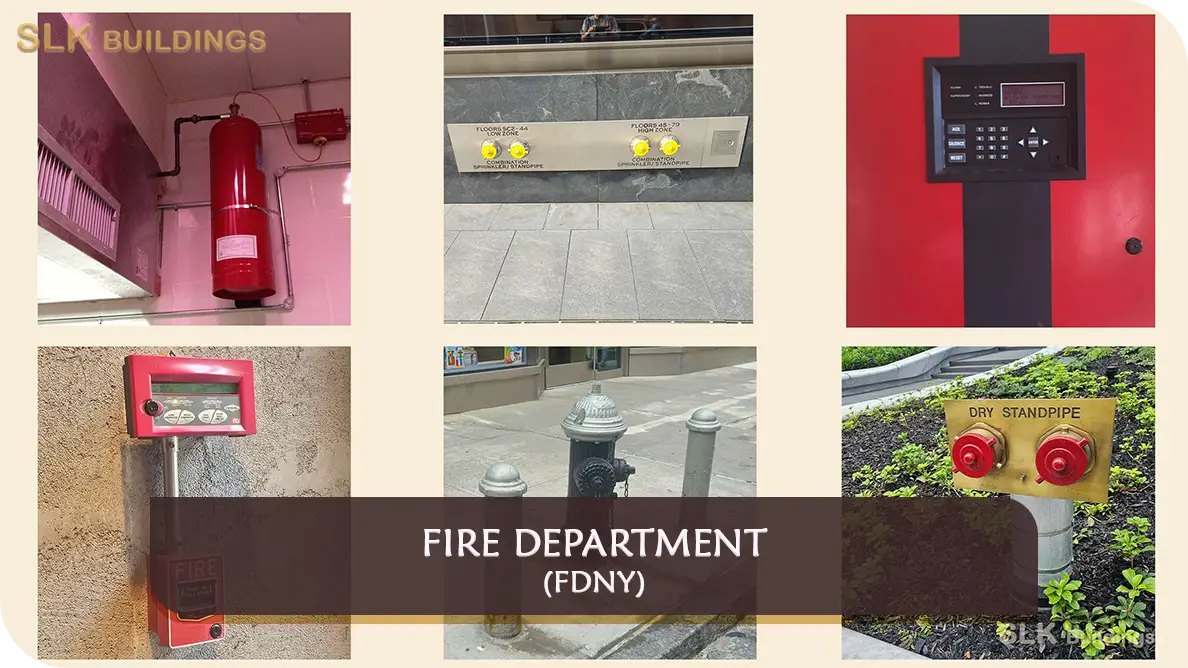


FDNY fire safety plans describe emergency procedures, building systems and staff responsibilities for occupancies subject to New York City requirements. Depending on the building, the necessary submission may be a Comprehensive Fire Safety and Emergency Action Plan, Fire Safety and Evacuation Plan or another Fire Department emergency-planning application.
The application can involve floor layouts, exits, fire protection information, building contacts, designated staff and professional certification. Plans must reflect actual conditions and be maintained after acceptance. A template copied from another property can omit important features or use the wrong occupancy requirements.
For the wider FDNY service directory, review NYC FDNY Permits, Inspections and Fire Safety Resources. For agency responsibilities and SLK assistance, see Fire Department FDNY Services in NYC. Use the Find Your FDNY Topic navigation to locate related requirements.
Choose the service that matches your permit, inspection, certificate, fire safety, enforcement or commercial kitchen issue. Use the FDNY directory for a broader overview.
FDNY Emergency Planning and Preparedness (EPPG) administers specified plan types through FDNY Business. Plans help fire responders, building personnel and occupants understand egress, key fire hazards, emergency procedures and equipment locations.
The proper plan category depends on the occupancy, building height, fire alarm communication capabilities and current legal requirements. An accepted plan does not excuse the owner from providing trained personnel, drills, postings or updates when those are independently required.
Applicability depends on the actual premises, regulated activity, equipment and current agency requirements. Common situations include:
Review the building classification, use and FDNY EPPG rules. Distinguish Comprehensive Fire Safety and Emergency Action Plans from Fire Safety and Evacuation Plans and Fire Protection Plans.
Compile floor plans, egress routes, standpipe and sprinkler information, alarm operations, emergency contacts and required staffing descriptions.
Use the correct current FDNY forms, obtain qualified design or certification work as required, and submit through FDNY Business.
Track amendments, accepted plans, staff training, notices, drills and ongoing plan maintenance appropriate to the occupancy.
SLK Buildings can support coordination and records management when the service fits its agreed scope. Appropriate licensed and certified providers retain responsibility for regulated work and formal professional certifications.
The precise agency checklist depends on the filing, inspection or record type. Organizing these common items before beginning can reduce avoidable follow-up:
FDNY can issue comments or request revised documents when a plan does not reflect the building. The accepted package and its implementation requirements should be retained and accessible to responsible personnel.
A change in tenant arrangement, egress, protection systems, ownership or operations may require a plan review or amendment. Do not assume an older approval still describes the current building.
FDNY reviews emergency preparedness and fire-safety plans within its rules. DOB separately reviews relevant building work and occupancy changes. Plans may reference DOB-approved drawings, but one approval does not replace the other.
Registered architects, professional engineers, and FDNY-qualified emergency staff have defined responsibilities where the particular plan requires their participation. SLK can coordinate data gathering, filing and project team communication within its agreed scope.
FDNY requires Emergency Planning and Preparedness plans and amendments within the applicable categories to use its online filing pathway. The FDNY plan-review guidance identifies an online-only change dating to October 15, 2019.
Select the correct plan type for the building and use the current FDNY Business workflow. Filing a plan online is only a submission step; the responsible party must track review, approval, revisions and the actual plan made available to building staff.
For assistance involving fdny fire safety plans, provide the full New York City premises address, the current agency notice or record number, the relevant project documents and the action you are trying to complete. SLK can review the coordination scope and identify which technical or agency questions need the responsible professional or owner.
Use the SLK Buildings Contact Us form or Request a Proposal for an inquiry. Where legal representation, engineering judgment or certification is required, an appropriately qualified provider must handle that work.
New York City property owners and businesses may need FDNY permits, inspections, certificates, technical approvals, or fire safety records. The applicable requirement depends on the building, its use, the equipment, and the activity taking place. An operating permit, individual Certificate of Fitness, product approval, and inspection are different obligations. Identifying the correct type of approval early can prevent avoidable filing problems.
FDNY administers fire prevention, life safety, and related enforcement requirements within its authority. DOB separately administers applicable construction permits and building-code approvals. Certain FDNY civil summonses may be heard by OATH, while FDNY still controls the relevant correction documentation. Owners and project teams should confirm which agency has responsibility before treating one approval as a substitute for another.
SLK Buildings may assist within its agreed consulting and construction-management scope by organizing project records, researching applicable filing routes, coordinating with owners and project teams, and tracking agency correspondence. Architects, engineers, fire protection professionals, contractors, and certified personnel must perform regulated work or sign documents when the law requires their qualifications.
Useful preparation includes accurate premises information, existing permits, approved plans, service and inspection records, responsible contacts, and a list of open questions. When an inspection, repair, correction request, or renewal is involved, separating outstanding tasks from completed and agency-accepted actions helps the team establish sensible next steps.
SLK Buildings offers free information on FDNY permits, inspections, recordkeeping, and agency responsibilities. See NYC FDNY permits, inspections, and fire safety resources for requirements that may apply to your property or business.
For professional assistance, SLK may help coordinate documentation, filings, communications, and follow-up within a defined project scope. Use the Contact Us form or Request a Proposal form to explain the property, activity, documents available, and the next agency action. Regulated professional services must be arranged with the appropriate qualified providers.
SLK Buildings is a private consulting and construction-management firm, not affiliated with the Fire Department of the City of New York (FDNY), DOB, OATH, or any government agency. Information about FDNY permits, commercial cooking systems, inspections, fire safety, and enforcement is for general education only, not legal, architectural, engineering, fire protection engineering, or other licensed professional advice. Requirements depend on property conditions, activities, current codes, and agency determinations. Qualified or licensed professionals must perform regulated services. FDNY and other agencies control their decisions. SLK does not guarantee permits, approvals, inspections, correction acceptance, violation dismissals, or hearing outcomes.
No. Occupancy, building systems and applicable Fire Code requirements determine whether a plan is required and which type.
Not when a specific FDNY plan submission and acceptance is required. The full package may include technical drawings, staffing information and procedures.
FDNY directs Emergency Planning and Preparedness applications through FDNY Business. Use the current plan-type forms and authorized applicant route.
Review whether the change affects exits, floor numbering, emergency systems, occupancy or required staffing. The plan may need updating and agency review.
The owner/operator and designated personnel retain the responsibilities assigned by the applicable Fire Code and accepted plan. Those obligations continue after the filing is approved.