
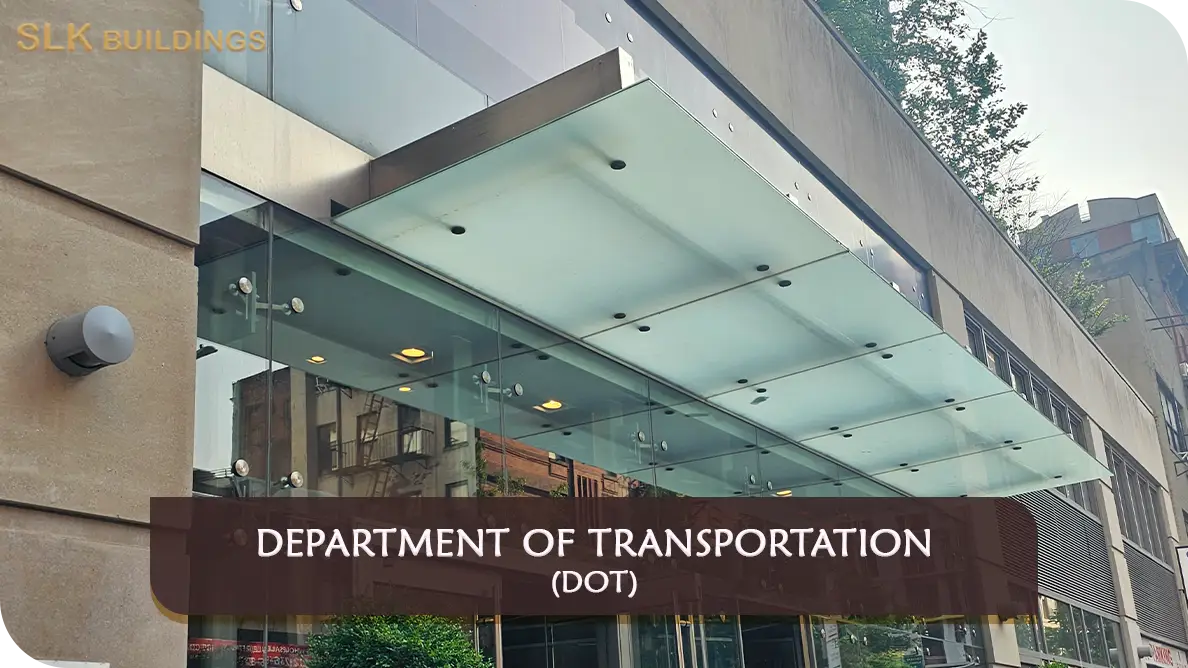
Preparation, Agency Responses, and Permit Coordination for NYC Property Projects
NYC DOT permit expediting helps organize the applications and agency coordination needed for construction work affecting public streets and sidewalks. A project can involve several permit categories, related approvals, applicant records, and inspection requirements. Effective coordination begins with the work scope and continues through the outstanding items that remain after submission.
SLK Buildings assists owners, developers, contractors, and project teams with filing preparation, document coordination, agency-comment tracking, and permit follow-up. Expediting means managing that process carefully; it does not mean bypassing agency review or guaranteeing an approval date.
A request described as “a DOT permit” may concern sidewalk replacement, excavation, equipment placement, temporary occupation, a closure, or a special structure. Those are different filing questions. Identify what will happen, where it will happen, who will perform it, and which approvals already exist.
Send the property address, work description, proposed dates, current drawings or sketches, contractor details, and related agency records. Include any notice, expired permit, hold, or prior rejection at intake. An incomplete project history can make an apparently simple request much harder to assess.
DOT’s permit catalog includes street openings, sidewalk construction, and building operations or construction activity. The project may require several activity-specific permits rather than one record covering everything at the address.
Canopies, vaults, and improvements requiring revocable consent have additional processes. A work permit should not be treated as a replacement for the required plan review, license, or agreement. Establish the relevant program before preparing forms.
Some assignments involve registration, holds, renewals, reissuance, or inspection follow-up rather than an initial application. Identify the existing record and the action needed so a new filing is not submitted merely because the current status is unclear.
Related Service: NYC DOT Permit Holds and Releases
DOT’s ordinary contractor process requires a registered permittee with current records. The registration information identifies the entity and authorized representatives, including an expediter where applicable. Filing assistance does not change the identity or obligations of the responsible permittee.
Check business names, addresses, insurance dates, authorizations, and related permits for consistency. The application package should be traceable to the correct contractor and work scope. Send sensitive corporate or insurance records through the agreed project channel rather than including them in public-facing content or informal marketing materials.
Related Service: NYC DOT Permittee Registration
DOT’s common requirements identify other approvals that may be needed for a particular application, including water or sewer work, trees, historic conditions, and other public-space authorizations. The correct combination depends on the proposed work.
SLK’s coordination record can show the agency, application number, responsible professional or contractor, pending question, and next action. This makes it possible to see whether the DOT filing is waiting for a missing document, a technical response, or a separate agency decision.

Align the location, work description, dimensions, dates, sketch, and supporting approvals. Clearly label existing and proposed conditions. Check that the application describes the same operation shown in the drawings and requested by the contractor.
DOT reviews applications and sets permit stipulations. A hold can prevent issuance until the appropriate unit’s requirements are addressed. Track what the agency requested, who is supplying the response, and whether the issue has actually been released.
A submission receipt is not an issued permit. Once issued, review the permit’s location, activity, dates, and conditions with the field team. Keep the current document accessible for inspection and make sure the contractor is not working from an outdated version.
Permits have expiration dates, and projects change. Track renewals, altered footprints, equipment changes, and upcoming restrictions before they disrupt the next operation. Ordinary renewal and reissuance procedures have different timing rules, and reissuance does not retroactively authorize an expired period.
Inspection and restoration tasks can also remain after physical work is substantially complete. A useful closeout list distinguishes contractor completion, inspection acceptance, hold release, and any separate summons response. It should show the evidence still needed for each item rather than mark the whole matter “done” after one email.
Related Service: NYC DOT Permit Renewals and Reissuance
Before starting, identify the specific applications and coordination tasks included in the engagement. Clarify who prepares technical drawings, who signs professional certifications, who obtains contractor or utility records, who performs the work, and who pays agency charges. Changes to scope should be reviewed rather than silently absorbed into an unrelated filing assignment.
Professional design, legal representation, insurance advice, and construction supervision remain with the appropriately qualified parties. SLK can coordinate with those participants without suggesting that administrative filing support replaces their responsibilities.
Application completeness, related approvals, technical comments, holds, restrictions, and agency review all influence timing. A planned delivery or construction milestone should be identified early, but it should not be represented as an agency commitment.
For planning, keep the requested date, required prerequisite, current status, and next action in one shared record. This gives the owner a more useful picture than repeated statements that an application is “in process” without explaining what it is waiting for.
Related Resource: NYC DOT Permits, Violations and Approvals

Contact SLK Buildings to organize the DOT filing and agency-coordination needs for your property project. The starting point is a clear scope, reliable records, and an agreed plan for the outstanding approvals.
SLK Buildings is a private firm and is not affiliated with NYC DOT or any government agency. Agency approval, professional design responsibilities, licensed trade work, and project-specific requirements remain part of the applicable review process.
NYC Department of Transportation requirements can affect sidewalk work, street openings, construction activity, curb cuts, temporary street occupancy, roadway closures, vaults, canopies, revocable consents, outdoor dining, and other work involving New York City streets and sidewalks.
Property owners, developers, contractors, architects, and businesses should identify the applicable NYC DOT permits and approvals before work begins. Missing permits, incomplete filings, permit holds, conflicting agency requirements, or noncompliant work can delay a project and may lead to inspections, corrective-action requirements, summonses, or other enforcement measures.
At SLK Buildings, we assist property owners, developers, contractors, architects, and businesses with NYC DOT permit filing, document preparation, agency coordination, permit follow-up, and compliance-related requirements. Depending on the project, this may include sidewalk permits, street opening permits, construction activity permits, curb cut permits, roadway closures, permittee registration, permit renewals and reissuance, permit holds and releases, revocable consents, vaults, canopies, and other DOT approvals.
Whether you are planning work in the public right-of-way, responding to a permit issue, coordinating multiple City agencies, or addressing a DOT inspection or violation, SLK Buildings can help organize the filing process, identify outstanding requirements, coordinate supporting documentation, and keep the project moving toward approval and compliance.
SLK Buildings Assists Property Owners and Project Teams with NYC DOT Requirements
SLK Buildings provides free educational content to help property owners, developers, contractors, and businesses understand NYC DOT permits, approvals, violations, and compliance requirements.
For those who prefer professional assistance, SLK Buildings is available to coordinate permit filings, supporting documentation, agency follow-up, and other NYC DOT-related project requirements.
Explore the Complete NYC DOT Permit, Violation, and Approval Resource Center
No. The service improves preparation, coordination, and follow-up; agency review and approval remain with the responsible authority.
Yes. The scope can cover the relevant permit combination and supporting approvals, with each activity and responsible permittee identified.
Do not assume that. DOT’s registration process distinguishes the applicant entity from its authorized filing representatives.
Yes. Provide the existing permit number, status, correspondence, and current work scope so the required action can be identified.
Send the address, work description, schedule, plans, contractor details, and all relevant agency records. Identify any urgent order or deadline immediately.
NYC DOT ~ Street Works Permits
Street Works Manual ~ Building Operations and Construction Activity Permits
Street Works Manual ~ Vault Approvals
Street Works Manual ~ Canopy Authorizations and Permits
Street Works Manual ~ Permittee Registration
Street Works Manual ~ Permittee Registration Documents
Street Works Manual ~ Common Requirements for Permit Types
Street Works Manual ~ Permit Application Review and Issuance
Street Works Manual ~ General Requirements for Executing Work
In the world of construction and development, obtaining permits is an essential, yet often time-consuming, part of the process. Delays in securing necessary approvals can lead to significant financial and schedule setbacks. This is where permit expediting services come into play. These specialized services help streamline the permit acquisition process, ensuring projects move forward without unnecessary delays. This article provides a detailed overview of permit expediting, its importance, the process involved, and the benefits it offers.
Permit expediting is a professional service that assists developers, contractors, and property owners in obtaining the required permits for construction projects efficiently and quickly. Permit expediters, or expediters, are experts who understand the intricacies of local building codes, zoning laws, and regulatory requirements. They act as liaisons between clients and government agencies to facilitate the approval process.
ALT-1/ALT-2, PA/PL/MEP, POA—coordinated filings and objection handling with predictable milestones.
Yes—applicant of record remains your license.
Yes—plans, occupancy loads, and approvals coordination.
Yes—we audit, map gaps, and recover timeline.
Application Preparation: Expediters ensure that all permit applications are correctly completed and that all necessary documentation is included. This reduces the likelihood of application rejections due to incomplete or incorrect submissions.
Regulatory Navigation: They possess extensive knowledge of local, state, and federal regulations. This expertise allows them to navigate complex regulatory frameworks and ensure compliance with all relevant laws and codes.
Agency Coordination: Expediters maintain relationships with key personnel in various government agencies. This network can be instrumental in expediting the review and approval process.
Issue Resolution: When issues or objections arise during the review process, expediters work to address and resolve them quickly, minimizing potential delays.
Tracking and Monitoring: They track the progress of permit applications, provide updates to clients, and take proactive steps to keep the process moving forward.
Time Savings: By streamlining the permit process, expediters can significantly reduce the time required to obtain approvals. This helps keep construction schedules on track and avoids costly delays.
Cost Efficiency: Faster permit approvals can lead to cost savings by reducing holding costs, avoiding penalties, and enabling quicker project starts and completions.
Expertise and Compliance: Expediters ensure that all applications meet regulatory requirements, reducing the risk of rejections and ensuring that projects are compliant with all relevant laws.
Risk Mitigation: By handling the permit process professionally, expediters help mitigate the risk of legal issues, fines, and project interruptions due to non-compliance.
Project Focus: With expediters managing the permitting process, developers and contractors can focus on other critical aspects of the project, improving overall efficiency and productivity.
Initial Consultation: The process begins with an initial consultation where the expediter assesses the project’s scope, identifies required permits, and develops a strategy for obtaining them.
Documentation Review: Expediters review all project documentation, including architectural drawings, site plans, and environmental reports, to ensure completeness and compliance with regulatory requirements.
Application Submission: They prepare and submit permit applications to the appropriate government agencies such as the New York City Department of Buildings, ensuring that all required information is included and correctly formatted.
Follow-Up and Communication: Expediters maintain regular contact with reviewing authorities, follow up on the status of applications, and address any questions or concerns that arise during the review process.
Issue Resolution: When issues or objections are raised, expediters work to resolve them promptly. This may involve providing additional documentation, clarifying project details, or negotiating modifications.
Final Approval: Once all requirements are met and any issues are resolved, expediters ensure that final permits and approvals are obtained, allowing the project to proceed.
Speed and Efficiency: Expediters can significantly speed up the permit approval process, helping to keep projects on schedule.
Cost Reduction: Faster permit acquisition can reduce costs associated with project delays, such as extended financing, labor, and materials costs.
Professional Expertise: Expediters bring a wealth of knowledge and experience to the table, ensuring that all regulatory requirements are met and potential pitfalls are avoided.
Improved Communication: Expediters facilitate clear and effective communication between project stakeholders and regulatory authorities, reducing misunderstandings and errors.
Peace of Mind: With a professional managing the permitting process, developers and contractors can have confidence that their projects will move forward smoothly and efficiently.
Permit expediting is an invaluable service in the construction and development industry. By leveraging the expertise of professional expediters, developers and contractors can navigate the complex regulatory landscape with ease, ensuring that permits are obtained quickly and efficiently. This not only helps to keep projects on schedule and within budget but also reduces the risk of legal issues and ensures compliance with all relevant regulations. As the demand for efficient and timely project delivery continues to grow, the role of permit expediting services in the industry is more crucial than ever.

Given the intricacies of New York City’s Government Agency regulations, homeowners and business owners are encouraged to seek professional guidance from architects, engineers, and legal experts familiar with local zoning laws and construction codes. These professionals can help navigate the regulatory landscape, ensure compliance, and streamline the permitting process.
Disclosure: SLK Buildings is a private consulting and construction-management firm and is not affiliated with NYC DOB, HPD, HCR, or any government agency.
We provide zoning analysis, code compliance analysis (code interpretation), violation resolution, design with our partner Registered Architect, DOB filings, permit expediting, and construction coordination.
SLK BUILDINGS Inc.
212.888.3888 | info@slkbuildings.com
295 Madison Avenue, 12th Floor, New York, NY 10017
Monday to Friday: 10.00 am – 5.00 pm (by appointment)
