
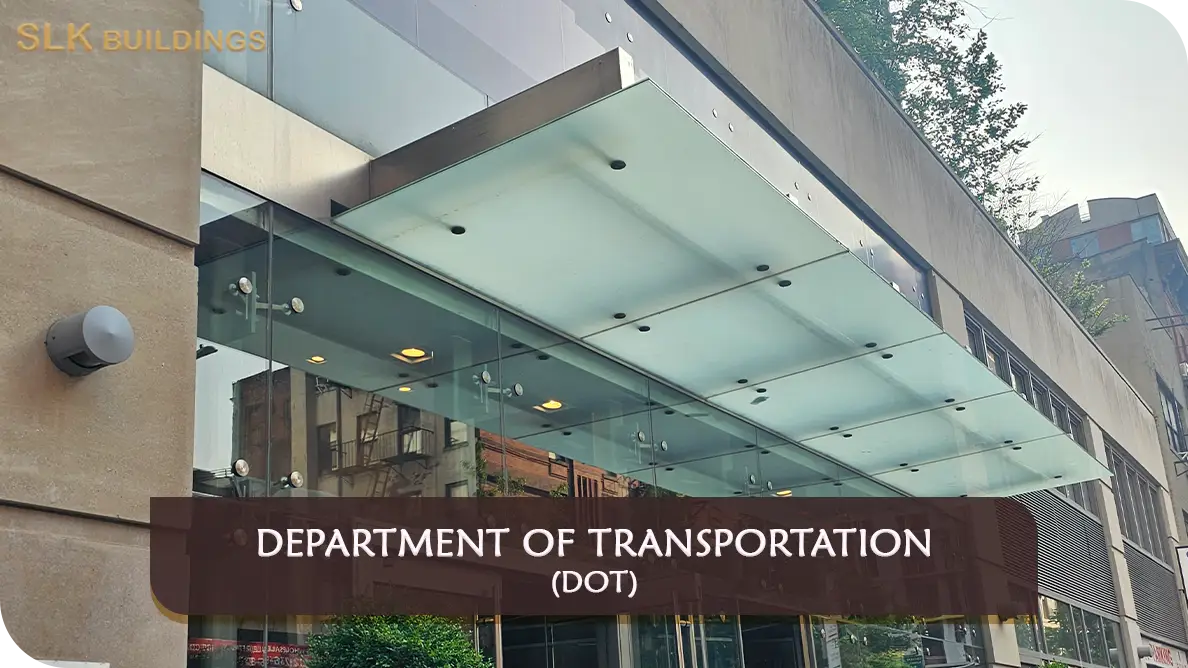
Permits for Equipment, Materials, and Temporary Use of Streets and Sidewalks
NYC DOT construction activity permits address the use of public streets and sidewalks during building operations. A project may need space for materials, equipment, a container, a trailer, a temporary pedestrian route, or movement across the sidewalk. These activities are not automatically covered by the building’s DOB permit. DOT’s category is formally called Building Operations and Construction Activity Permits.
SLK Buildings coordinates the applicable filing package, contractor records, supporting approvals, and agency follow-up. The goal is to describe the construction operation accurately so the issued permit and its stipulations match the proposed use of street space.
Start with a drawing of the proposed construction footprint and a list of activities. The same frontage can have several uses at different times. A delivery operation on one day is not necessarily the same as continuous storage or occupation over several months.
DOT identifies permits for placing materials, equipment, trailers, and containers in street space. Separate what will remain on site from items delivered and removed the same day. Note whether the operation affects a curb lane, sidewalk, entrance, or adjacent frontage.
Crane placement, other equipment, and movement across sidewalks or roadways have activity-specific requirements. Related DOB equipment approvals or over-dimensional vehicle permits may also apply. Street occupation and equipment engineering or operation should not be combined into one assumed authorization.
Identify the space that remains available to vehicles and pedestrians. DOT has separate occupancy and temporary-walk permit categories. The permitted arrangement and stipulated clearances control the project; a generic minimum taken from another job should not replace the approved configuration.
Related Service: NYC DOT Street Closure Permits
A valid DOB permit is typically a prerequisite for building-operations applications. The building address, contractor, phase, and drawings should be consistent across the records. Where the work changes, review both the building authorization and the street-use implications instead of updating only one part of the file.
Large new-building or major-alteration operations can also need construction-stage coordination with OCMC. That review addresses how the project affects surrounding movement and access. It is distinct from obtaining a permit for one individual activity.
Related Service: NYC DOT OCMC Construction Coordination
Provide the address, affected frontage, property line, sidewalk and roadway dimensions, work dates, and equipment or material locations. Show entrances and nearby features that influence access. Use consistent labels across the sketch and application rather than calling the same area three different names.
Check the permittee registration, insurance, authorized representative, and related approvals. Identify missing records before submitting, particularly where the work is being coordinated by a general contractor but performed under a subcontractor’s permit.
Develop an activity list with each proposed use, date range, footprint, responsible contractor, and related permit. DOT generally requires a separate construction-activity permit for each activity unless the rules or stipulations provide otherwise.
DOT reviews supporting information and sets permit stipulations. A hold may require additional review before the permit can be released. Track the hold, requested response, responsible unit, and release separately from the application submission itself.
Related Service: NYC DOT Permit Holds and Releases
SLK helps organize the activity list, prepare applicable permit applications, coordinate supporting records, track agency comments, and communicate issued conditions to the project participants. We can also monitor the filing tasks associated with stage changes, renewal needs, and related closure requests.
Our permit-coordination role does not replace crane engineering, equipment operation, construction supervision, or required professional design. The engagement should clearly identify those responsibilities so the application is supported by the people qualified to make the necessary technical decisions.
Related Resource: NYC DOT Permits, Violations and Approvals

The issued permit is a work-control document, not just proof that a fee was paid. Review its location, dates, hours, permitted footprint, access requirements, and any notification conditions with the person directing site operations. Keep the relevant record available for inspection.
A practical handoff includes the current permit, current sketch, responsible contacts, and a short list of conditions affecting the day’s work. This is especially useful when a delivery company or specialist equipment operator joins the project briefly and has not followed the application history.
When equipment changes, the occupied area expands, or the next phase requires different access, reassess the filing. An unchanged project name does not mean the street operation is unchanged. Compare the proposed revision with the issued authorization before implementing it.
Keep expiration dates and embargo restrictions in the same scheduling discussion as concrete deliveries and equipment bookings. Work must remain authorized; a renewal request does not itself extend the current permit.
Construction noise and after-hours approvals also need separate attention. DEP’s guidance requires the applicable noise-mitigation planning and explains its connection with DOB or DOT after-hours variance applications. Do not infer noise authorization from a contractor’s preferred delivery time.

Contact SLK Buildings to coordinate the DOT permits supporting your construction operation. A clear activity scope and consistent documents help the project team understand what can proceed, under which authorization, and with what remaining conditions.
SLK Buildings is a private firm and is not affiliated with NYC DOT or any government agency. Agency approval, professional design responsibilities, licensed trade work, and project-specific requirements remain part of the applicable review process.
NYC Department of Transportation requirements can affect sidewalk work, street openings, construction activity, curb cuts, temporary street occupancy, roadway closures, vaults, canopies, revocable consents, outdoor dining, and other work involving New York City streets and sidewalks.
Property owners, developers, contractors, architects, and businesses should identify the applicable NYC DOT permits and approvals before work begins. Missing permits, incomplete filings, permit holds, conflicting agency requirements, or noncompliant work can delay a project and may lead to inspections, corrective-action requirements, summonses, or other enforcement measures.
At SLK Buildings, we assist property owners, developers, contractors, architects, and businesses with NYC DOT permit filing, document preparation, agency coordination, permit follow-up, and compliance-related requirements. Depending on the project, this may include sidewalk permits, street opening permits, construction activity permits, curb cut permits, roadway closures, permittee registration, permit renewals and reissuance, permit holds and releases, revocable consents, vaults, canopies, and other DOT approvals.
Whether you are planning work in the public right-of-way, responding to a permit issue, coordinating multiple City agencies, or addressing a DOT inspection or violation, SLK Buildings can help organize the filing process, identify outstanding requirements, coordinate supporting documentation, and keep the project moving toward approval and compliance.
SLK Buildings Assists Property Owners and Project Teams with NYC DOT Requirements
SLK Buildings provides free educational content to help property owners, developers, contractors, and businesses understand NYC DOT permits, approvals, violations, and compliance requirements.
For those who prefer professional assistance, SLK Buildings is available to coordinate permit filings, supporting documentation, agency follow-up, and other NYC DOT-related project requirements.
Explore the Complete NYC DOT Permit, Violation, and Approval Resource Center
Not necessarily. Different construction uses can require different permit types. Review the activities and applicable exceptions rather than relying on a single umbrella description.
Do not assume it does. The issued permit and its stipulations must authorize the actual occupancy. A full roadway closure has an additional request process.
No. Street-space authorization and building or equipment requirements serve different purposes. Identify the applicable approvals for both.
A changed operation should be reviewed against the permit and referred for the appropriate amendment, additional permit, or coordination. Do not treat an unreviewed sketch as approved.
Send the building address, DOB records, construction-stage sketch, intended street uses, contractor details, and requested dates. Explain whether the request concerns initial work or a change to an existing operation.
Street Works Manual ~ Building Operations and Construction Activity Permits
NYC DOT ~ Street Works Permits
Street Works Manual ~ Permittee Registration
Street Works Manual ~ Common Requirements for Permit Types
Street Works Manual ~ Permit Application Review and Issuance
Street Works Manual ~ General Requirements for Executing Work
Street Works Manual ~ Permit Renewals and Reissuances
Street Works Manual ~ Embargoes