
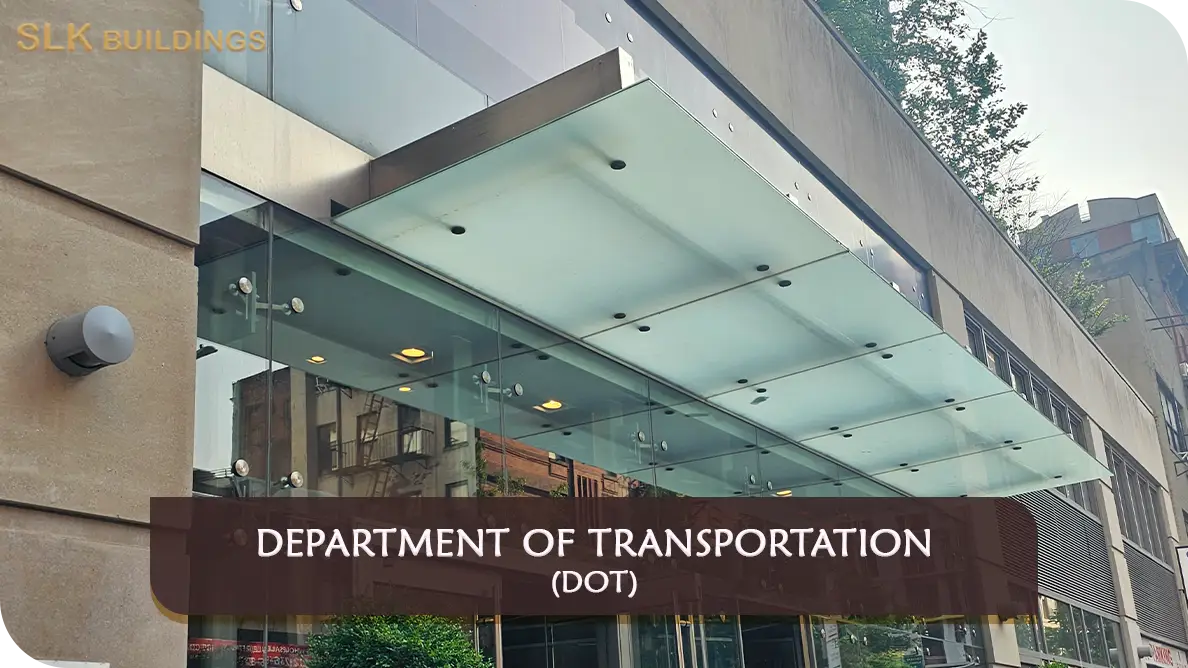
A Complete NYC DOT Resource Hub for Property Owners, Developers, Contractors, and Project Teams
NYC Department of Transportation requirements can affect property projects whenever work reaches the sidewalk, curb, roadway, or other portions of the public right-of-way. Different activities can trigger different permits, approvals, registrations, inspections, or compliance procedures. This resource center organizes those topics so readers can identify the right starting point and move to a detailed guide for the specific issue.
For SLK Buildings service information and direct project assistance, visit the NYC Department of Transportation Services landing page. This /nyc-dot/ page is the comprehensive parent hub for the detailed permit, violation, approval, and construction-coordination library.
For property and construction work, DOT’s role includes permits for street and sidewalk activity, construction-related use of public space, and inspection of work performed under its rules. The Office of Construction Mitigation and Coordination, commonly called OCMC, develops permit stipulations addressing construction impacts on pedestrians, traffic, neighboring activities, and other projects.
The first question is therefore practical: what work will happen outside the building, where will it happen, and what authorization does that activity require? Identifying those details early helps the team prepare the correct filing rather than discover a missing permit after equipment or contractors arrive.
Sidewalk repairs, replacement, and new installation fall within DOT’s Sidewalk Construction Permit category. Street-opening permits address excavation and other activity that disturbs the street surface. Each application should describe the actual work and location rather than rely only on the building project’s overall description.
Learn More: NYC DOT Sidewalk Permits
Learn More: NYC DOT Street Opening Permits
Placing construction equipment, materials, or temporary structures in public space may require Building Operations and Construction Activity permits. A full roadway closure has its own request procedure and related work-permit requirements. Dumpster placement also needs the correct classification: the commercial refuse container route is not interchangeable with every construction-container authorization.
Learn More: NYC DOT Construction Activity Permits
Learn More: NYC DOT Street Closure Permits
Learn More: NYC DOT Dumpster and Debris Container Permits
Vehicular curb cuts involve DOB plan approval and work permits alongside DOT sidewalk and curb requirements. Builders Pavement Plans address development-related frontage improvements; DOB is the primary approval entity, while DOT has relevant review and work-permit responsibilities. OCMC coordination addresses construction operations and access, rather than replacing those permanent-improvement approvals.
Learn More: NYC Curb Cut Permits
Learn More: NYC Builders Pavement Plans
Learn More: NYC DOT OCMC Construction Coordination
Certain private structures on, over, or beneath City streets require revocable consent. Vault work, sidewalk canopies, and nonstandard sidewalk designs also have specific approval requirements. The project team must distinguish permission to construct from permission to occupy or maintain the affected public space.
Learn More: NYC DOT Revocable Consents
Learn More: NYC DOT Vault Permits
Learn More: NYC DOT Canopy Permits
Learn More: NYC Distinctive Sidewalk Approvals
Permit coordination continues beyond the first submission. Applicants must address registration requirements, identify holds, and keep construction authorization current. A hold may require review by a particular DOT unit. Renewal and reissuance are different processes; a reissued permit does not retroactively authorize work performed without coverage. Emergency work and restricted locations need their applicable procedures.
Learn More: NYC DOT Permit Expediting
Learn More: NYC DOT Permittee Registration
Learn More: NYC DOT Permit Holds and Releases
Learn More: NYC DOT Permit Renewals and Reissuance
Learn More: NYC DOT Emergency Street Work Permits
Learn More: NYC DOT Construction Embargoes and Protected Streets
DOT’s Highway Inspection and Quality Assurance division, or HIQA, checks street-work conditions and permit compliance. A construction summons, corrective-action request, and routine sidewalk defect notice require different responses. A routine sidewalk defect notice carries no fine, but repairs and the appropriate dismissal process still matter.
Learn More: NYC DOT Violations
Learn More: NYC DOT Sidewalk Violations
Learn More: NYC DOT Street Closure Violations
Learn More: NYC DOT Construction and Utility Violations
Dining Out NYC is DOT’s permanent outdoor dining program for sidewalk and roadway cafes. Application planning should begin with the proposed location, the relevant cafe type, and the program’s current eligibility, design, and approval requirements. SLK Buildings assists with the permit and approval coordination needed for the proposed installation.
Learn More: Dining Out NYC Permits and Cafe Approvals
Start with the property address, proposed work, site photographs, drawings or sketches, proposed dates, and the exact location of activity relative to the property line. Existing notices, permit records, and inspection documents should be collected at the same time.
Match the proposed activity to the applicable DOT permit, approval, registration, consent, or coordination procedure. Separate any DOB, DEP, Parks, or other agency dependency rather than assuming one approval covers the entire project.
Applications can depend on permittee eligibility, insurance or bond requirements, drawings, professional documents, contractor information, related permits, location-specific restrictions, and current agency procedures. Missing prerequisites should be identified before work is scheduled.
After filing, the project team should monitor comments, holds, issued permit dates, stipulations, inspections, renewals, restoration requirements, and closeout steps. Corrective work or a new permit does not automatically resolve every existing enforcement matter.
A building permit does not automatically provide permission to occupy or excavate a City street. For example, construction-activity filings commonly depend on a valid DOB permit while still requiring a separate DOT application. Curb cuts and Builders Pavement Plans similarly involve distinct responsibilities across the two agencies.
SLK’s role is to help keep those workstreams coordinated. The objective is a clear record of what has been approved, what is still outstanding, and which authorization applies to each part of the work.

To help us review the assignment, provide the available property and project records together:
Missing documents should be identified at intake. A clear document list helps separate information that is already available from material that must be obtained before the filing can advance.
For direct service information, visit the NYC Department of Transportation Services landing page. If your project involves a DOT permit, violation, approval, construction-staging issue, or filing delay, contact SLK Buildings with the property information and available records so the required coordination scope can be defined.
SLK Buildings is a private firm and is not affiliated with NYC DOT or any government agency. Agency approval, professional design responsibilities, licensed trade work, and project-specific requirements remain part of the applicable review process.

NYC Department of Transportation requirements can affect sidewalk work, street openings, construction activity, curb cuts, temporary street occupancy, roadway closures, vaults, canopies, revocable consents, outdoor dining, and other work involving New York City streets and sidewalks.
Property owners, developers, contractors, architects, and businesses should identify the applicable NYC DOT permits and approvals before work begins. Missing permits, incomplete filings, permit holds, conflicting agency requirements, or noncompliant work can delay a project and may lead to inspections, corrective-action requirements, summonses, or other enforcement measures.
At SLK Buildings, we assist property owners, developers, contractors, architects, and businesses with NYC DOT permit filing, document preparation, agency coordination, permit follow-up, and compliance-related requirements. Depending on the project, this may include sidewalk permits, street opening permits, construction activity permits, curb cut permits, roadway closures, permittee registration, permit renewals and reissuance, permit holds and releases, revocable consents, vaults, canopies, and other DOT approvals.
Whether you are planning work in the public right-of-way, responding to a permit issue, coordinating multiple City agencies, or addressing a DOT inspection or violation, SLK Buildings can help organize the filing process, identify outstanding requirements, coordinate supporting documentation, and keep the project moving toward approval and compliance.
SLK Buildings Assists Property Owners and Project Teams with NYC DOT Requirements
SLK Buildings provides free educational content to help property owners, developers, contractors, and businesses understand NYC DOT permits, approvals, violations, and compliance requirements.
For those who prefer professional assistance, SLK Buildings is available to coordinate permit filings, supporting documentation, agency follow-up, and other NYC DOT-related project requirements.
Explore the Complete NYC DOT Permit, Violation, and Approval Resource Center
Not every project involves DOT-regulated street activity. The need depends on the work and its location. Sidewalk construction, excavation, and construction-related occupation of streets or sidewalks are examples that require a DOT permit assessment.
Visit the indexed NYC Department of Transportation Services landing page at https://slkbuildings.com/services/department-of-transportation/. That page functions as the service portal, while this /nyc-dot/ page is the comprehensive topic hub.
No. The responsible agency decides whether the application satisfies its requirements. SLK organizes and coordinates the submission; unresolved conditions or additional review can still affect the outcome.
No. DOT provides a dismissal-inspection process after repairs. The owner should confirm the agency’s required follow-up rather than treat the contractor’s completion as the final agency action.
Identify the stated hold and the responsible reviewing unit, then determine the required documents, review, or inspection. A hold-release request is a step in the process, not permission to begin work.
DOT distinguishes renewal before expiration from reissuance after expiration for the construction permit categories covered by its renewal guidance. Review the applicable route and current work authorization before continuing.