
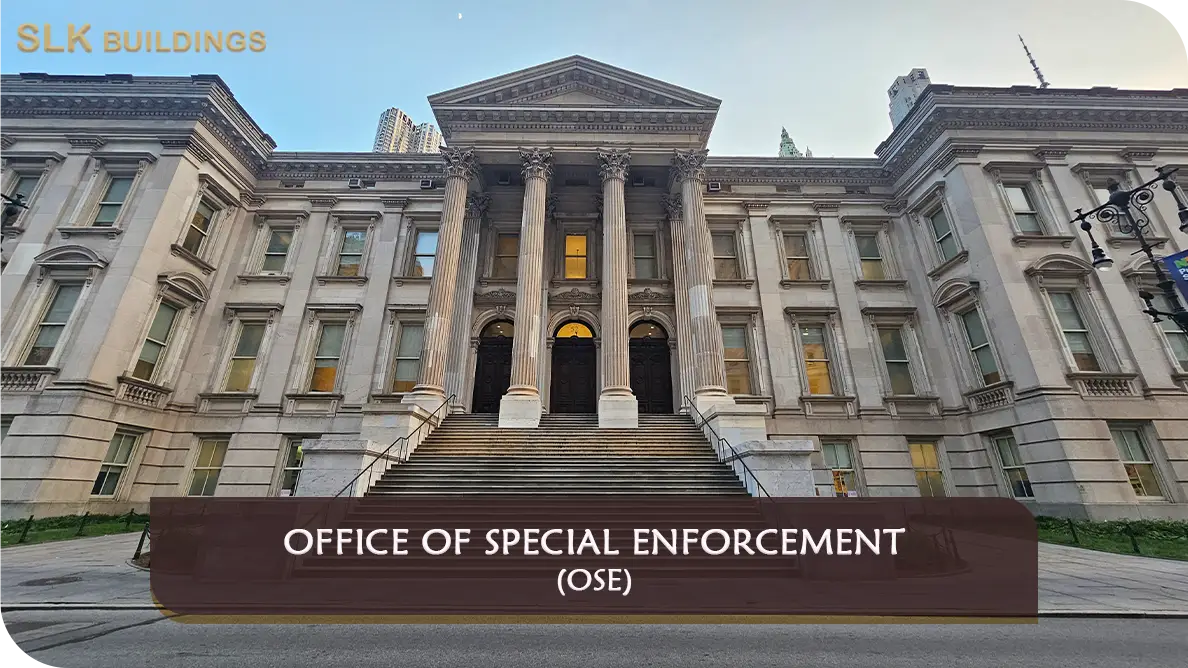
NYC short term rental registration renewal is now an active OSE process. Registrations last a maximum of four years, and OSE allows renewal to begin six months before expiration. Renewal is not merely an extension of the old registration: the host must provide current information and documents, pay the renewal fee, and remain eligible under the rules in effect at the time of review.
OSE’s current renewal guidance instructs eligible hosts to log into the registration portal, review and update contact information, upload current identity and permanent-occupancy documentation, provide a lease when applicable, accept the terms and conditions, and submit the renewal fee. OSE currently lists the renewal application fee as $145 plus processing fees.
Renewal also creates a practical compliance checkpoint. Changes to the unit, lease, legal occupancy, guest areas, building restrictions, open violations, or the host’s operation can affect whether the registration remains supportable. OSE states that conduct that can be a basis for revocation can also be considered when reviewing a renewal application.
OSE may deny renewal when conduct provides a basis for revocation under the registration rules.

A registration can remain active for years while the property record changes. Permits may be filed, violations may be issued, a Stop Work Order may be added, a lease may change, or a building owner may adopt restrictions. Renewal is therefore the right time to compare the current property record with the conditions that supported the original approval.
Hosts should also review the listing and operation itself. OSE monitors registered listings and has warned hosts when listings appear to offer illegal occupancy. A renewal application should not be treated as independent from the way the property has actually been advertised and used during the registration term.
Because the renewal fee is not a substitute for eligibility, a host with unresolved property conditions should address those issues before assuming the registration can simply be extended.
SLK Buildings can perform a pre-renewal property review covering legal occupancy, Certificates of Occupancy or Letters of No Objection, open DOB/HPD/FDNY items, Stop Work or Vacate Orders, and the guest areas shown in the listing.
We can also help organize current property-side documentation and coordinate corrections before renewal. Where OSE has issued a warning or revocation-related notice, we can separate the building correction work from any legal or hearing response that should be handled by counsel.

OSE administers the short-term rental registration and enforcement framework, but the underlying property condition may be controlled by another agency. DOB determines legal occupancy and administers construction-code and permit requirements; HPD enforces many housing-maintenance and illegal-occupancy conditions; FDNY controls fire-safety requirements; and OATH adjudicates many City summonses. Private leases, co-op or condominium rules, and other occupancy agreements can create additional restrictions that are separate from City approval.
A coordinated response identifies which agency controls each issue and keeps the deadlines separate. An OSE application cannot legalize an unapproved sleeping area, while a DOB correction does not automatically resolve an OSE warning, revocation matter, or OATH summons.
A short-term rental compliance issue is easier to manage when the property record, agency status, and actual use are reviewed together before the next filing, inspection, or hearing deadline.
Contact SLK Buildings for assistance reviewing the NYC OSE requirements, property records, open agency conditions, and coordination steps relevant to this specific matter.
SLK Buildings is a private consulting and construction-management firm and is not affiliated with the NYC Mayor’s Office of Special Enforcement or any government agency. This content provides general educational information and is not legal advice. Registration, occupancy, enforcement, correction, hearing, and violation requirements depend on the specific property, circumstances, and agency determination.
NYC Mayor’s Office of Special Enforcement (OSE) requirements can affect short-term rental hosts, property owners, tenants, building managers, and project teams throughout New York City. Local Law 18 established the City’s short-term rental registration system and requires booking services to verify that qualifying short-term rental transactions are associated with a valid registration or a lawful exemption.
Property owners and prospective hosts should review the legal occupancy of the building and dwelling unit, registration eligibility, lease or occupancy restrictions, the Prohibited Buildings List, and any open agency conditions before relying on a property for short-term rental use. Certain unresolved building or fire violations, Vacate Orders, and Stop Work Orders can prevent OSE from granting a registration until the underlying condition is resolved.
At SLK Buildings, we assist property owners, hosts, business operators, developers, contractors, architects, and project teams with NYC OSE short-term rental registration and renewal coordination, property record review, eligibility and compliance research, Prohibited Buildings List and Class B occupancy questions, violation response coordination, and related DOB, FDNY, HPD, or OATH matters when they affect an OSE issue.
Whether you are preparing a new registration, renewing an existing registration, reviewing a building’s eligibility, responding to an OSE enforcement issue, evaluating a Prohibited Buildings List matter, or addressing a building condition that affects registration, SLK Buildings can help organize the records, filings, agency coordination, and next steps needed to move the matter forward.
SLK Buildings provides free educational content to help property owners, hosts, business operators, developers, contractors, and project teams understand NYC OSE registration, enforcement, building eligibility, and short-term rental compliance requirements.
For those who prefer professional assistance, SLK Buildings is available to coordinate OSE registration and renewal documentation, property and occupancy research, agency follow-up, Prohibited Buildings List and Class B review, violation response, and related NYC agency requirements that may affect short-term rental eligibility or compliance.
SLK Buildings is a private consulting and construction-management firm and is not affiliated with the NYC Mayor’s Office of Special Enforcement or any government agency. This content provides general educational information and is not legal advice. Registration, occupancy, enforcement, correction, hearing, and violation requirements depend on the specific property, circumstances, and agency determination.
How long does an OSE short-term rental registration last?
OSE states that a registration lasts a maximum of four years.
When can renewal begin?
OSE states that hosts can begin applying for renewal six months before the four-year period expires.
What is the current renewal application fee?
OSE currently lists a $145 renewal application fee, plus processing fees.
Do renewal documents have to be current?
Yes. OSE requires the same general types of documents used previously, but they must be current and not expired.
Can past noncompliance affect renewal?
Yes. OSE states that it may refuse renewal when the applicant has committed acts that are a basis for revocation.