
NYC Class B Multiple Dwelling Short Term Rental Requirements
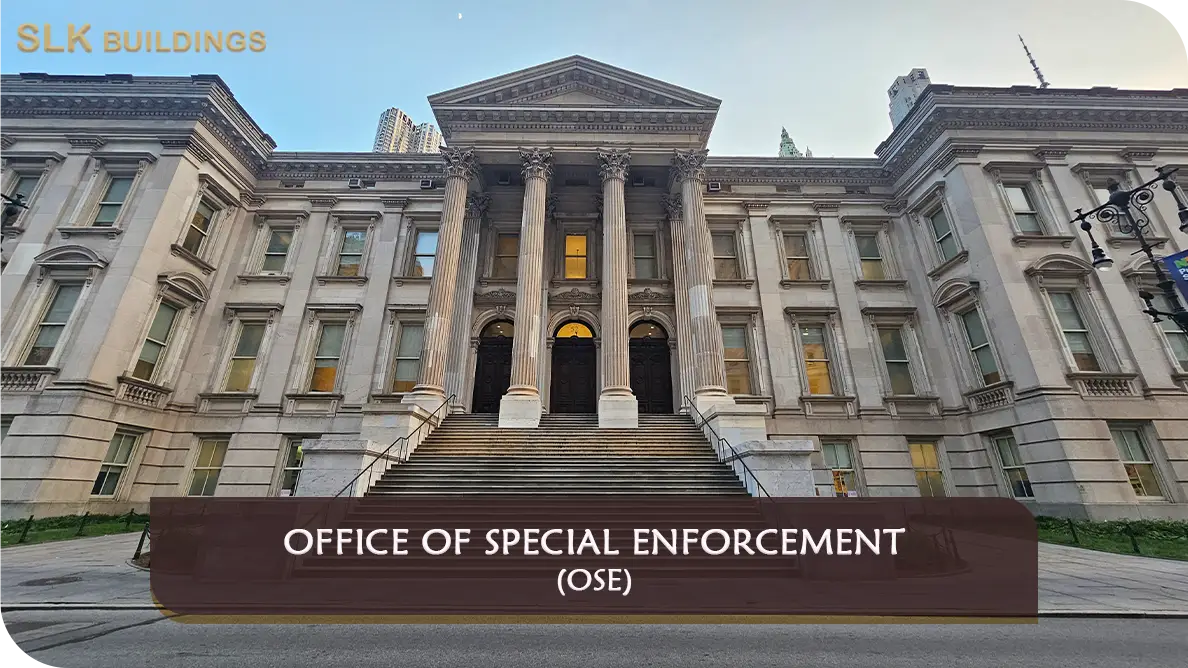
Class B multiple dwelling status is a legal occupancy classification, not a marketing description and not a Department of Finance tax class. OSE treats qualifying Class B multiple dwellings differently because they are approved for transient occupancy, but the underlying legal occupancy is ultimately determined through DOB records.
Overview
OSE explains that entire-unit short-term rentals are permitted in qualifying Class B multiple dwellings that have been approved by the City for legal transient occupancy. Hosts in Class B multiple dwellings are exempt from the Local Law 18 registration requirement, and qualifying booking-service transactions are treated differently under OSE’s reporting framework.
The most common mistake is assuming that a tax classification beginning with “B” proves Class B occupancy. OSE specifically states that DOF tax classifications reflect tax status and may not match legal use. Two-family dwellings can have tax classes beginning with B without being Class B multiple dwellings.
SLK Buildings assists property owners, business operators, and project teams with NYC OSE short term rental registration, inspection coordination, violation response, and compliance requirements.
When This Service Applies
- An owner or operator wants to confirm whether a property qualifies for transient occupancy.
- A property appears on or is missing from OSE’s Class B list.
- A host is trying to determine whether Local Law 18 registration is required.
- A tax record is being incorrectly used as proof of Class B occupancy.
- DOB records, a Certificate of Occupancy, or historical occupancy documentation need interpretation.
- An owner wants OSE to review inclusion on or removal from the Class B list.
Key Requirements and Common Issues
- Class B status is based on legal occupancy, not DOF tax class.
- DOB ultimately determines legal occupancy and zoning use.
- OSE’s list does not itself change the legal occupancy of a building.
- Qualifying Class B multiple dwellings are exempt from Local Law 18 host registration.
- Inclusion on the OSE list does not guarantee that every other zoning, safety, licensing, or building requirement is satisfied.
- Both tabs of OSE’s current Class B dataset should be reviewed when checking a property.

Verifying Class B Legal Occupancy
A Class B review should begin with DOB records, including the Certificate of Occupancy where available, historical occupancy records, approved plans when necessary, and any later changes to the building. A current marketing use as a hotel, lodging house, or furnished accommodation does not independently establish legal Class B status.
OSE developed its Class B list using data from other agencies and manual review. OSE also provides a process for owners and other interested persons to request inclusion or removal, but OSE expressly cautions that the list does not alter the legal occupancy determined by DOB.
Even a correctly classified Class B building can have other compliance obligations. Fire-safety conditions, zoning, permits, licenses, and building-specific restrictions should be reviewed separately rather than assuming the registration exemption resolves every operational requirement.
How SLK Buildings Helps
SLK Buildings can research DOB occupancy records, Certificates of Occupancy, Letters of No Objection, historical filings, permits, and other building documents to determine what the City record says about the property’s legal use.
We can also help organize a property-side record for an OSE Class B list review and identify separate DOB, FDNY, or occupancy issues that should be corrected. Legal interpretation of operating rights or disputes should be coordinated with counsel.

Compliance and Coordination Process
- Identify the property and the claimed Class B use.
- Review the current OSE Class B dataset, including both tabs.
- Research DOB legal occupancy and Certificate of Occupancy records.
- Compare the physical use and configuration with the approved occupancy.
- Identify any separate zoning, fire-safety, permit, or violation issues.
- If appropriate, prepare the property record for an OSE inclusion or removal review.
- Maintain the distinction between OSE list status and DOB’s legal-occupancy determination.
Related NYC Agencies and Requirements
OSE administers the short-term rental registration and enforcement framework, but the underlying property condition may be controlled by another agency. DOB determines legal occupancy and administers construction-code and permit requirements; HPD enforces many housing-maintenance and illegal-occupancy conditions; FDNY controls fire-safety requirements; and OATH adjudicates many City summonses. Private leases, co-op or condominium rules, and other occupancy agreements can create additional restrictions that are separate from City approval.
A coordinated response identifies which agency controls each issue and keeps the deadlines separate. An OSE application cannot legalize an unapproved sleeping area, while a DOB correction does not automatically resolve an OSE warning, revocation matter, or OATH summons.
Contact SLK Buildings for NYC Class B Multiple Dwelling Review
A short-term rental compliance issue is easier to manage when the property record, agency status, and actual use are reviewed together before the next filing, inspection, or hearing deadline.
Contact SLK Buildings for assistance reviewing the NYC OSE requirements, property records, open agency conditions, and coordination steps relevant to this specific matter.
SLK Buildings is a private consulting and construction-management firm and is not affiliated with the NYC Mayor’s Office of Special Enforcement or any government agency. This content provides general educational information and is not legal advice. Registration, occupancy, enforcement, correction, hearing, and violation requirements depend on the specific property, circumstances, and agency determination.
🚧 Seeking Professional Guidance on NYC Office of Special Enforcement Short-Term Rental Registration and Compliance
NYC Mayor’s Office of Special Enforcement (OSE) requirements can affect short-term rental hosts, property owners, tenants, building managers, and project teams throughout New York City. Local Law 18 established the City’s short-term rental registration system and requires booking services to verify that qualifying short-term rental transactions are associated with a valid registration or a lawful exemption.
Property owners and prospective hosts should review the legal occupancy of the building and dwelling unit, registration eligibility, lease or occupancy restrictions, the Prohibited Buildings List, and any open agency conditions before relying on a property for short-term rental use. Certain unresolved building or fire violations, Vacate Orders, and Stop Work Orders can prevent OSE from granting a registration until the underlying condition is resolved.
At SLK Buildings, we assist property owners, hosts, business operators, developers, contractors, architects, and project teams with NYC OSE short-term rental registration and renewal coordination, property record review, eligibility and compliance research, Prohibited Buildings List and Class B occupancy questions, violation response coordination, and related DOB, FDNY, HPD, or OATH matters when they affect an OSE issue.
Whether you are preparing a new registration, renewing an existing registration, reviewing a building’s eligibility, responding to an OSE enforcement issue, evaluating a Prohibited Buildings List matter, or addressing a building condition that affects registration, SLK Buildings can help organize the records, filings, agency coordination, and next steps needed to move the matter forward.
SLK Buildings Assists Property Owners and Project Teams with NYC OSE Requirements
- Local Law 18 short-term rental registration, eligibility review, application coordination, and registration renewal.
- Prohibited Buildings List, Class B multiple-dwelling review, building-owner compliance, and legal-occupancy research.
- OSE violation and enforcement coordination, registration revocation issues, and related DOB, FDNY, HPD, or OATH requirements when they affect the property or registration.
- SLK Buildings coordinates NYC OSE-related project requirements across Manhattan, the Bronx, Brooklyn, Queens, and Staten Island.
SLK Buildings provides free educational content to help property owners, hosts, business operators, developers, contractors, and project teams understand NYC OSE registration, enforcement, building eligibility, and short-term rental compliance requirements.
For those who prefer professional assistance, SLK Buildings is available to coordinate OSE registration and renewal documentation, property and occupancy research, agency follow-up, Prohibited Buildings List and Class B review, violation response, and related NYC agency requirements that may affect short-term rental eligibility or compliance.
SLK Buildings is a private consulting and construction-management firm and is not affiliated with the NYC Mayor’s Office of Special Enforcement or any government agency. This content provides general educational information and is not legal advice. Registration, occupancy, enforcement, correction, hearing, and violation requirements depend on the specific property, circumstances, and agency determination.
Frequently Asked Questions
Does a DOF tax class beginning with B mean the building is Class B?
No. OSE expressly states that DOF tax classification is not the same as legal occupancy classification.
Who ultimately determines legal occupancy?
OSE states that legal occupancy is ultimately determined by the NYC Department of Buildings.
Do Class B hosts need Local Law 18 registration?
Qualifying short-term rentals in Class B multiple dwellings are exempt from the Local Law 18 host-registration requirement.
Does appearing on OSE’s list prove that the building has no other compliance issues?
No. OSE says inclusion only reflects legal occupancy classification and should not be used to assume there are no other barriers or compliance issues.
Can an owner request a review of the Class B list?
Yes. OSE provides a process to request inclusion or removal based on legal occupancy records.
Related NYC OSE Resources
- NYC Local Law 18 Compliance ~ Local Law 18 registration, hosting, occupancy, and compliance requirements.
- NYC Short Term Rental Registration ~ Registration preparation, supporting records, and application coordination.
- NYC Short Term Rental Eligibility ~ Host, unit, building, and occupancy conditions that affect eligibility.
- NYC Short Term Rental Application Problems ~ Application deficiencies, document inconsistencies, and correction coordination.
- NYC Short Term Rental Registration Renewal ~ Current renewal timing, documents, property review, and ongoing compliance.
- NYC OSE Prohibited Buildings List ~ Owner restrictions, PBL applications, and the effect on existing or future registrations.
- NYC Basement and Cellar Short Term Rentals ~ Lower-level sleeping-area legality and occupancy issues.
- NYC Illegal Short Term Rentals ~ Unhosted stays, entire-unit rentals, unlawful sleeping areas, and related enforcement.
- NYC OSE Violations ~ Inspections, summonses, agency violations, and correction coordination.
- NYC OSE Registration Revocation ~ Notices of Intent to Revoke, continued compliance, and property-side response coordination.
- NYC OSE Stop Work and Vacate Orders ~ Orders that can block registration and require separate agency correction.
- NYC Building Owner Short Term Rental Compliance ~ Owner exposure, tenant activity, building restrictions, and compliance controls.