
DSNY Collection Service Requests for NYC Buildings
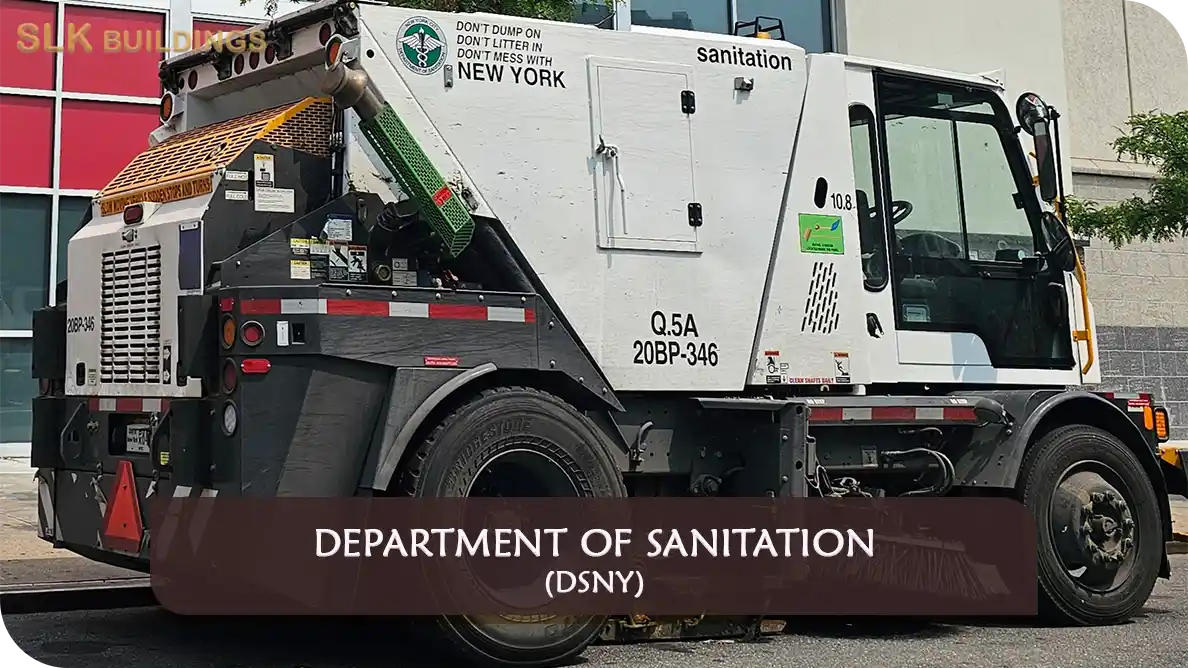
Prepare the property records and collection arrangement needed to start or restore DSNY service.
DSNY collection service requests are part of opening a new building or returning an eligible property to service after vacancy or conversion. Owners should treat collection setup as a separate part of occupancy planning, with accurate property records, a workable setout arrangement and a named person responsible for agency follow-up.
Waiting until residents move in makes it harder to resolve missing records, unsuitable storage or uncertainty about who handles each waste stream. Start by confirming the service history and current use of the exact property. An adjacent building’s pickup schedule does not establish that a new address has been accepted for service.
When a Collection Service Request Is Needed
DSNY identifies new residential construction, renovated formerly vacant residential buildings and conversions of commercial or industrial buildings to residences as situations requiring a new request. New nonprofit locations and community gardens may also apply. Vacant lots are not collected from simply because they are designated for residential use.
For a mixed-use building, list the residential space and each commercial occupant separately. Record which party has arranged the commercial service and which areas are included in the residential request. This avoids an operating plan that assumes one collection arrangement automatically covers the whole property.
Find Your NYC Sanitation Topic
Choose the subject closest to your question.
Assemble the Supporting Records
The standard request includes a contact name, daytime phone number and a Certificate of Occupancy or unexpired temporary Certificate of Occupancy. DSNY provides a different documentation route for qualifying nonprofits that lease their premises. Their eligibility depends on supporting nonprofit and premises or City-funding records, not the organization’s name alone.
- Use the same address and building identifiers throughout the request.
- Check that the occupancy document is current and covers the relevant use.
- Name an available contact who can answer questions and arrange site access.
- Retain a copy of every attachment and the submitted request.
When records conflict, resolve the discrepancy before sending multiple explanations to the agency. A former address, a changed entrance or a conversion still described as commercial in one document can create avoidable uncertainty. Ask the owner or design team for the authoritative document and keep superseded copies clearly identified.
SLK Buildings assists property owners with NYC Department of Sanitation compliance filings, violation resolution, waste management plans, permits, and agency approvals.
Prepare the Building for the Field Review
DSNY reviews the request and conducts a field survey. The collection decision is separate from obtaining the occupancy document, so allow for agency review and any requested follow-up.
Walk the route from the waste rooms to the proposed collection point before the visit. Check whether staff can open doors, move full containers and stage material without blocking access. Have the superintendent or building manager explain the intended collection routine. A practical demonstration often reveals a gap that is difficult to see in a short application.
Coordinate Any Required Waste Management Plan
Certain large residential projects must submit a waste management plan with their DOB design drawings. DSNY may deny collection when a required plan has not been submitted, approved or certified as implemented.
For those projects, bring the plan status into the collection tracker. Record the accepted version, outstanding comments and any installation differences. A collection request should not become the first time the operating team sees the proposed waste arrangement. Review the final plan with the staff who will use it each day.
Multiunit Building Alternate Setout Applications
Buildings receiving DSNY collection with nine or more dwelling units may apply for the Multiunit Building Collection Program. Approved participants use a 4 AM to 7 AM setout period on collection day. New applications are accepted January 1–31, with approved participation beginning April 1. Compliant enrollment renews automatically under the rule.
Before choosing that arrangement, confirm that staffing can support the early schedule consistently. Assign backup coverage for absences and holidays, and make sure contractors receive the same instructions as employees. Keep the approval with the collection records; the alternate schedule should never rest only on an informal understanding between two staff members.
Keep Service Records Current
After collection begins, retain the agency response, collection instructions and staff contacts. Record missed pickups and follow the official reporting instructions for the relevant event. For an ownership or management change, review existing program enrollments and notify DSNY where required. The multiunit program has specific ownership-change and cancellation rules.
How SLK Buildings Helps
SLK Buildings helps assemble collection request documents, coordinate property information and track agency questions through the next action. We can also help align a required waste management plan and an alternate-setout application with the owner’s operating arrangements. The result is a clear record of what was submitted, what remains open and who is responsible.

Learn More About NYC Sanitation Requirements
Violations and property compliance
Residential building applications and compliance
Commercial building waste
Construction waste coordination
Permits and regulated waste operations
Frequently Asked Questions
Does a Certificate of Occupancy automatically start collection?
No. DSNY has a separate service-request and review process. Include the required occupancy documentation and follow the agency’s response for the address.
Can a building use an expired temporary Certificate of Occupancy?
DSNY’s standard document list calls for a Certificate of Occupancy or a non-expired temporary certificate. Resolve an expired document with the project team before relying on it in a request.
Do all nonprofits qualify for DSNY collection?
No. A nonprofit request needs the applicable supporting evidence. For leased space, DSNY identifies specific tax-exempt-premises or City-funding conditions. Review those requirements for the actual location.
Is the early morning setout program available automatically?
No. An eligible building must apply and be approved. Nine units is the program threshold, and new enrollment follows the January application window.
Must an approved multiunit building reapply every year?
The rule provides automatic annual renewal for compliant enrolled buildings. Changes in ownership, termination and agency denial have separate procedures that should be reviewed when circumstances change.
What information should I send SLK first?
Send the address, current occupancy document, intended opening date, previous collection history and any DSNY correspondence. Include the waste management plan status if one is required for the project.

Contact SLK Buildings About Starting Violation
SLK Buildings can help organize the collection request and the related property records. Share the address and project stage so the required documents, open questions and responsible parties can be identified.
🚧 Seeking Professional Guidance on NYC Department of Sanitation (DSNY)
New York City Department of Sanitation requirements can affect how residential and commercial properties store, separate, set out, collect, and manage waste. Property owners and businesses may also encounter sanitation violations, summonses, waste management plans, container requirements, registrations, and specialized permits. Determining the correct next step often depends on the property type, building use, waste stream, collection arrangement, and specific DSNY requirement.
At SLK Buildings, we help NYC property owners, managers, developers, and business owners navigate NYC Department of Sanitation requirements, organize the necessary documentation, and coordinate applicable filings and agency procedures. Our work can include sanitation violation support, waste management plans, collection-service coordination, commercial waste compliance, permit and registration preparation, and coordination with other agencies and qualified professionals when required.
Whether you are responding to a sanitation violation, planning waste management for a new or altered building, reviewing commercial waste requirements, or determining whether a DSNY permit or registration applies, SLK Buildings can help you understand the requirements, organize the documentation, and coordinate the next steps toward compliance.
SLK Buildings assists Property Owners, Managers, Developers, and Businesses with NYC Department of Sanitation matters, including:
- NYC Sanitation violations and compliance – including documentation, corrective-action coordination, and related agency response requirements.
- DSNY waste management plans and building waste-management requirements.
- NYC Sanitation permits and approvals, registrations, and applicable filing coordination.
- SLK Buildings works across Manhattan, Bronx, Brooklyn, Queens, and Staten Island.
For a complete overview of SLK Buildings’ NYC Sanitation services, permits, compliance topics, and related resources, visit our NYC Department of Sanitation Services.
SLK Buildings provides free educational content to help property owners, managers, developers, and businesses understand their options. For those who prefer professional assistance, we are available to help coordinate the applicable documentation, filings, agency requirements, and compliance process.