
NYC Construction and Demolition Debris Disposal
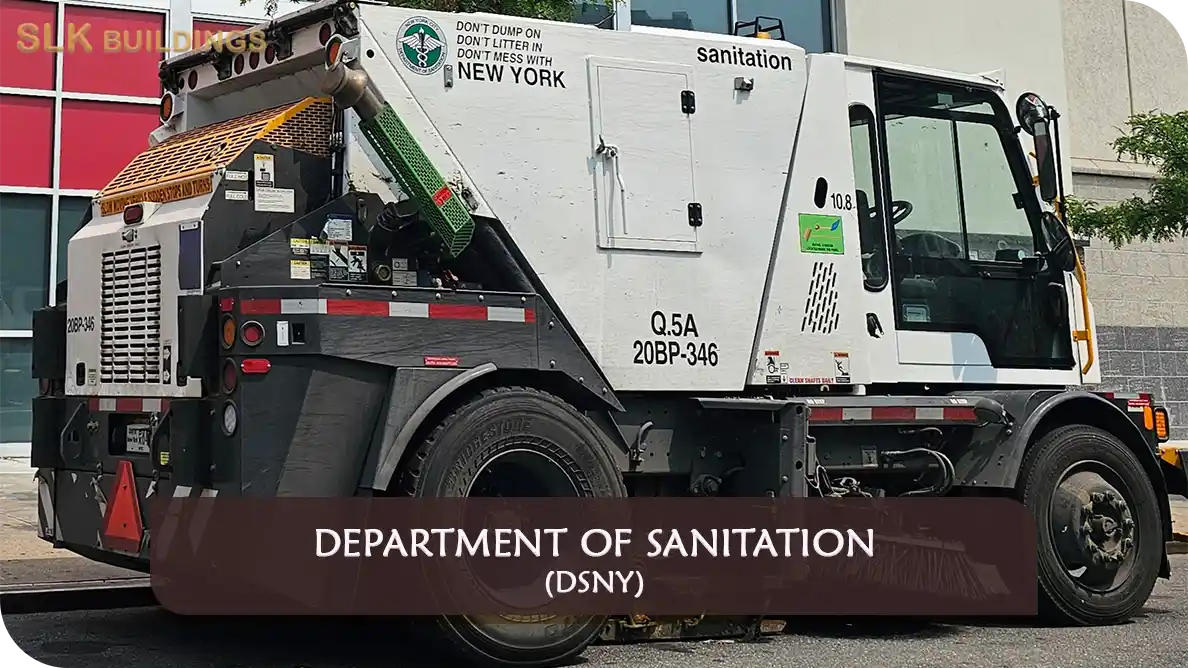
Coordinate waste removal before demolition, renovation or site work creates a disposal problem.
NYC construction and demolition debris disposal needs its own plan within a renovation or development project. The owner, contractor and waste hauler should agree on the materials being removed, the receiving location and any container approvals before work starts. A clear arrangement helps keep occupied areas usable and gives the project team records showing where the debris went.
Identify the Material and Who Generated It
DSNY distinguishes small, nonprofessional do-it-yourself work from work performed by hired contractors. Contractor-generated construction and demolition waste cannot be discarded as residential garbage. Limited homeowner DIY collection rules have separate eligibility and handling conditions; they should not become the disposal plan for a professional renovation.
Prepare a material inventory before selecting a disposal route. Concrete, masonry, soil, wood and drywall may follow different recovery or disposal arrangements. NYSDEC excludes various materials from ordinary C&D debris, including garbage, friable asbestos and certain equipment containing hazardous liquids. A mixed load does not become clean fill merely because it contains concrete or soil.
- List major materials and estimated quantities by work phase.
- Identify materials requiring specialist assessment before removal.
- Separate reusable items early enough to preserve them.
- Record the destination proposed for each waste stream.
Confirm the Hauler and Receiving Facility
The Business Integrity Commission regulates NYC trade-waste haulers. A business removing only construction and demolition debris can use the appropriate Class 2 registration; broader waste-removal activity requires the applicable BIC authority. Check the legal company name and current authorization against BIC’s approved-company records, rather than relying solely on a truck logo or an old certificate.
Ask the hauler to identify the intended receiving facility and confirm that it accepts the actual material. NYSDEC facility requirements can involve a permit, registration or a defined exemption. NYC transfer-station requirements may also apply. A receiving site’s willingness to take a load is not enough information for the owner to understand its regulatory status.
Coordinate Street Containers Through DOT
NYC DOT handles public-street container permits. Carting companies apply for a Commercial Refuse Container permit, which covers one container for up to five consecutive days. The separate 30–90-day Construction Debris Container permit is issued only to registered general contractors at worksites requiring a DOB or DOT construction permit. Select the route for the actual applicant, work and location; DSNY sanitation compliance does not replace DOT authorization.
Review the location against deliveries, pedestrian access, building entrances and the work sequence. Record who will obtain the permit, check its dates and arrange exchanges or removal. DOT states that a Commercial Refuse Container permit does not reserve parking space. The project should resolve placement logistics before a loaded truck arrives.
SLK Buildings assists property owners with NYC Department of Sanitation compliance filings, violation resolution, waste management plans, permits, and agency approvals.
Build Removal Into the Construction Schedule
Waste volume changes as work progresses. A strip-out may create a short burst of bulky material, while later work produces smaller mixed loads. Ask the contractor to match pickup frequency and storage arrangements to each phase. The coordination plan should identify an alternative when a container fills early or a scheduled pickup is missed.
For occupied buildings, agree on the route from the work area to the loading point, the responsible supervisor and the time needed to restore common areas after a movement. Include the building manager in these decisions. Photos of staging and the cleared area can help resolve questions about what was left behind and which contractor was responsible.
Keep a Usable Disposal Record
Maintain a project file containing the hauling agreement, current authorization checks, applicable container permits, pickup dates and receiving records. Request weight tickets, receipts or other destination documentation available for the loads. Link those records to the correct address and work phase. Treat this as a practical project-control record; the exact legally required documents depend on the material and activity.
If debris is rejected, obtain the reason in writing and identify the affected load. If an agency issues a summons, preserve the notice, photographs and disposal history before changing the site condition. Arrange the required correction while separately tracking the summons response. The site team should know who owns both actions.
How SLK Buildings Helps
SLK Buildings helps organize construction-waste requirements alongside the wider project. We can review the proposed agency route, coordinate permit information with the contractor, assemble supporting records and track outstanding comments or documents. Where material classification or environmental work requires a specialist, the coordination includes that professional and the responsible operator. This gives the owner a clear list of open items before removal proceeds.

Learn More About NYC Sanitation Requirements
Violations and property compliance
Residential building applications and compliance
Commercial building waste
Construction waste coordination
Permits and regulated waste operations
Frequently Asked Questions
Can a contractor leave renovation debris with residential trash?
No. DSNY excludes contractor-generated C&D waste from residential garbage collection. The contractor or resident must arrange the appropriate private removal. Small homeowner DIY allowances have separate conditions and do not cover a hired professional’s work.
Does DSNY issue the dumpster permit?
NYC DOT issues public-street container permits. Carting companies use the Commercial Refuse Container route; eligible registered general contractors use the separate Construction Debris Container route. DSNY waste rules and BIC hauling authority remain separate requirements.
Do Commercial Waste Zones cover construction debris?
Construction and demolition debris and fill material are excluded waste streams under CWZ. The exclusion does not authorize unregistered hauling: DSNY still directs these streams to carters holding the appropriate BIC license or registration.
Can every disposal facility accept every construction load?
No. Facility authorization and accepted materials vary. Confirm the receiving site’s status and the specific materials it can receive before dispatch. Separate hazardous or otherwise excluded materials instead of assuming they fit an ordinary C&D load.
What should an owner request from the contractor?
Request the hauling arrangement, company authorization details, proposed destination, container-permit responsibility and available receiving records. Agree on the information before demolition so records can be collected during the work rather than reconstructed afterward.
Does debris disposal close a sanitation summons?
Treat site correction and the summons as separate work items. Preserve evidence of removal, then check the notice and case record for the response still required. Do not mark the matter complete solely because the pile has disappeared.

Contact SLK Buildings About Construction Waste Coordination
Send the property address, scope of work, expected debris and proposed removal arrangement. SLK Buildings can help organize the permit questions, contractor documents and next actions before the construction schedule is affected.
🚧 Seeking Professional Guidance on NYC Department of Sanitation (DSNY)
New York City Department of Sanitation requirements can affect how residential and commercial properties store, separate, set out, collect, and manage waste. Property owners and businesses may also encounter sanitation violations, summonses, waste management plans, container requirements, registrations, and specialized permits. Determining the correct next step often depends on the property type, building use, waste stream, collection arrangement, and specific DSNY requirement.
At SLK Buildings, we help NYC property owners, managers, developers, and business owners navigate NYC Department of Sanitation requirements, organize the necessary documentation, and coordinate applicable filings and agency procedures. Our work can include sanitation violation support, waste management plans, collection-service coordination, commercial waste compliance, permit and registration preparation, and coordination with other agencies and qualified professionals when required.
Whether you are responding to a sanitation violation, planning waste management for a new or altered building, reviewing commercial waste requirements, or determining whether a DSNY permit or registration applies, SLK Buildings can help you understand the requirements, organize the documentation, and coordinate the next steps toward compliance.
SLK Buildings assists Property Owners, Managers, Developers, and Businesses with NYC Department of Sanitation matters, including:
- NYC Sanitation violations and compliance – including documentation, corrective-action coordination, and related agency response requirements.
- DSNY waste management plans and building waste-management requirements.
- NYC Sanitation permits and approvals, registrations, and applicable filing coordination.
- SLK Buildings works across Manhattan, Bronx, Brooklyn, Queens, and Staten Island.
For a complete overview of SLK Buildings’ NYC Sanitation services, permits, compliance topics, and related resources, visit our NYC Department of Sanitation Services.
SLK Buildings provides free educational content to help property owners, managers, developers, and businesses understand their options. For those who prefer professional assistance, we are available to help coordinate the applicable documentation, filings, agency requirements, and compliance process.