
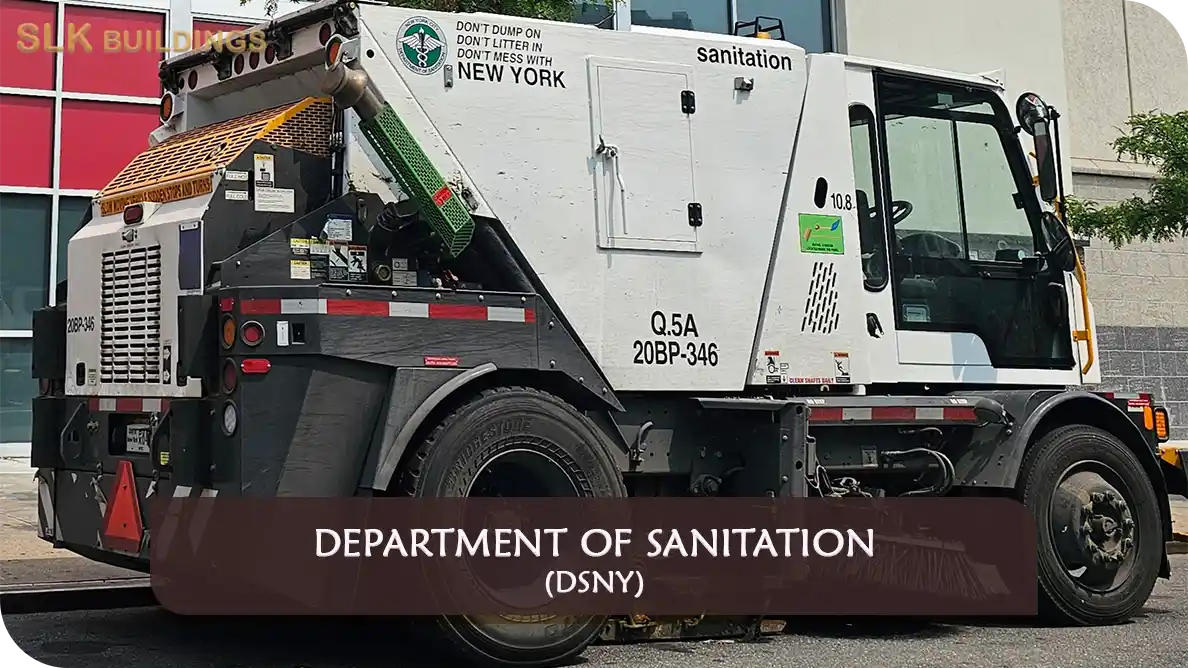
Coordinate the account and vehicle approvals needed to use the Staten Island Compost Facility.
DSNY landscaper disposal permits support commercial access to the Staten Island Compost Facility through the required business account and vehicle approvals. Property owners should understand the contractor’s removal arrangement before work begins, while the business delivering material should confirm its authorization, registered vehicles and accepted materials.
This process concerns access to a particular DSNY disposal facility. It is separate from the authority to operate a waste-hauling business and from permits that may apply to the underlying property work. DSNY identifies existing BIC authorization as a prerequisite for companies seeking facility permits. Start by confirming the business’s hauling status and the activity it intends to perform.
The facility process should be addressed in the contractor’s preparation for a project, especially when that business is opening an account or adding a vehicle. A property manager hiring a landscaper should identify which company will transport the material. If a different hauler is involved, record that arrangement rather than assuming the landscaping company’s documents cover everyone.
DSNY directs commercial landscapers and tree-service businesses to permitted composting facilities for their leaf and yard waste. Professional landscaping waste cannot be left for residential curbside pickup. The fact that the work occurred at a residence does not change the commercial origin of the material or turn it into the resident’s normal collection.
Agree on removal responsibility in the work order. Identify whether the contractor will remove material each day or at a defined stage, where it can be held before removal and who will address a missed pickup. Clear instructions are particularly helpful where several contractors use the property or residents continue to occupy the building during the work.
DSNY requires an account for commercial disposal at the Staten Island Compost Facility. One account may include multiple vehicles, but each vehicle is separately inspected, measured and registered. Arrange the required appointment with the facility before sending a new or additional vehicle to deliver a load.
Before contacting the facility, compare the business name across the company records, BIC documents and existing disposal account. Explain any name change or vehicle replacement. These checks help the agency understand the request and help dispatch staff determine which vehicle records apply when arranging deliveries.
The Staten Island Compost Facility lists accepted plant materials, including leaves, brush, grass clippings, wood chips, and qualifying logs and stumps. Size limits apply to large woody material, and loads containing other materials can be rejected. Confirm the current acceptance rules before loading, particularly where yard work also produces soil, construction debris or discarded equipment.
Provide the crew with a clear separation plan. Keep waste from demolition, fencing or general property cleanup out of the plant-material load unless the receiving facility expressly accepts it. Photograph unusual material and resolve the disposal route before mixing it with other waste. A question addressed at the site is easier to manage than a rejected truckload at the destination.
Drivers must present the applicable vehicle-specific permit when using the facility. Check current operating hours, payment arrangements and charges before dispatch. DSNY’s commercial guidance explains that disposal charges are based on the vehicle’s full registered capacity. The current fee schedule should inform the contractor’s pricing and trip planning.
Maintain a practical delivery record with the project address, date, vehicle and available receipt. Where one vehicle serves several properties, keep enough information to connect the removal to the correct jobs. If a load is rejected, preserve the reason and document the replacement disposal arrangement before closing the project record.
SLK Buildings helps organize the account, vehicle and agency information associated with this disposal process. We can coordinate the required records with the applicant, identify unresolved authorization questions and track follow-up alongside property work. The landscaping business or hauler remains responsible for its vehicles, loads and operation. Owners receive a clearer record of the contractor’s proposed removal arrangements.

No. The DSNY process described here concerns an account and vehicle permits for the Staten Island Compost Facility. Other business or project requirements must be considered separately. The facility guidance identifies BIC authorization as a prerequisite for companies seeking permits.
DSNY allows multiple vehicles under one account, but each vehicle must be separately inspected, measured and registered. Check the process with the facility before adding or replacing a vehicle used for disposal.
Professional landscaping waste must follow the commercial disposal route. DSNY directs landscapers to permitted composting facilities and prohibits placing their plant waste out for curbside collection. The removal arrangement should be agreed before the property work starts.
The commercial drop-off process is not a resident disposal service. DSNY directs residents to curbside composting or other eligible options. Confirm the applicant category because nonprofits and NYC agencies have their own registration arrangements.
The facility may reject it and require its removal. Confirm acceptable materials and applicable size limits before dispatch. Keep the rejected-load explanation and the eventual disposal record with the job so the owner can follow what happened.
Provide the business name, existing BIC authority, account information if available, proposed vehicles and the type of request. Explain whether you need a new account, an additional vehicle or help resolving a request from DSNY.

Share your existing account or application information and the vehicles you intend to use. SLK Buildings can help organize the documents and agency follow-up for the facility account and vehicle-permit process.
New York City Department of Sanitation requirements can affect how residential and commercial properties store, separate, set out, collect, and manage waste. Property owners and businesses may also encounter sanitation violations, summonses, waste management plans, container requirements, registrations, and specialized permits. Determining the correct next step often depends on the property type, building use, waste stream, collection arrangement, and specific DSNY requirement.
At SLK Buildings, we help NYC property owners, managers, developers, and business owners navigate NYC Department of Sanitation requirements, organize the necessary documentation, and coordinate applicable filings and agency procedures. Our work can include sanitation violation support, waste management plans, collection-service coordination, commercial waste compliance, permit and registration preparation, and coordination with other agencies and qualified professionals when required.
Whether you are responding to a sanitation violation, planning waste management for a new or altered building, reviewing commercial waste requirements, or determining whether a DSNY permit or registration applies, SLK Buildings can help you understand the requirements, organize the documentation, and coordinate the next steps toward compliance.
SLK Buildings assists Property Owners, Managers, Developers, and Businesses with NYC Department of Sanitation matters, including:
For a complete overview of SLK Buildings’ NYC Sanitation services, permits, compliance topics, and related resources, visit our NYC Department of Sanitation Services.
SLK Buildings provides free educational content to help property owners, managers, developers, and businesses understand their options. For those who prefer professional assistance, we are available to help coordinate the applicable documentation, filings, agency requirements, and compliance process.