
NYS DEC Petroleum Bulk Storage Program | Comprehensive Guide
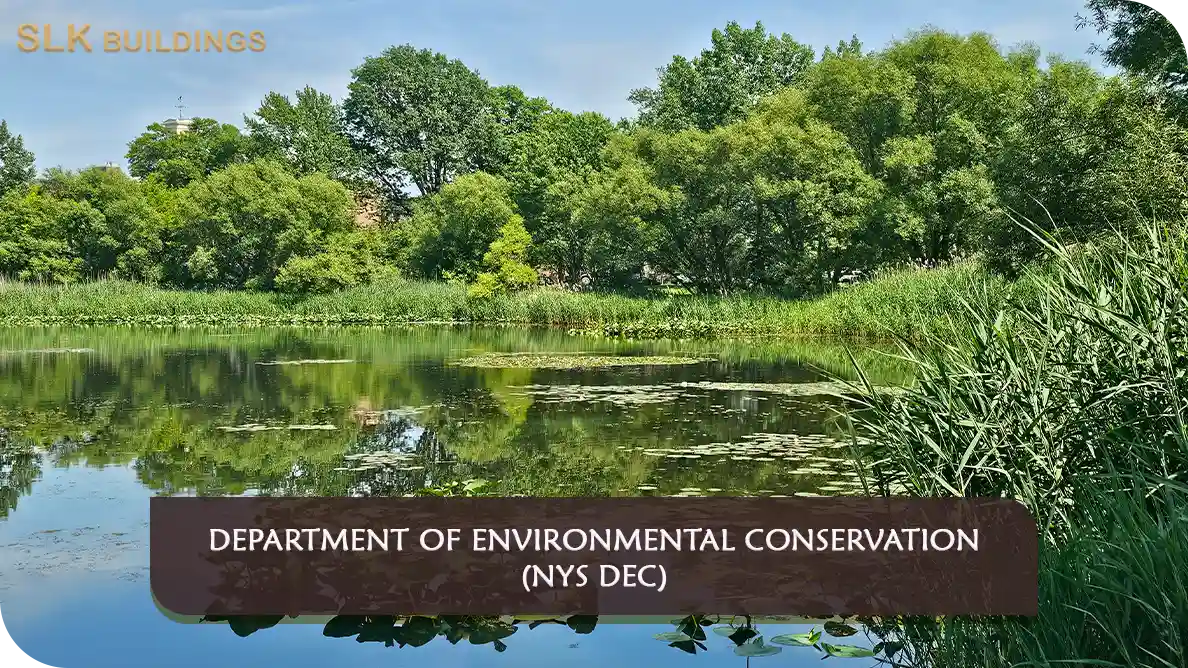
A practical overview of program requirements, permit applicability, compliance records, and project coordination in New York State
Petroleum tanks at commercial buildings, industrial properties, and other facilities may require registration and ongoing operating controls. The NYS DEC Petroleum Bulk Storage Program focuses on preventing petroleum releases and ensuring that regulated storage systems are properly managed.
The NYS DEC petroleum bulk storage program is relevant to property owners, developers, contractors, facility managers, and businesses evaluating environmental responsibilities in New York State.
The applicable rules depend on the facility, site conditions, regulated activities, and the most current agency guidance. Early review can help avoid incomplete filings, unauthorized work, and preventable delays.
What Is the NYS DEC Petroleum Bulk Storage Program?
Petroleum Bulk Storage (PBS) is New York State’s regulatory framework for qualifying petroleum storage facilities under 6 NYCRR Part 613. Registration and operating standards are separate obligations; the applicability of each depends on facility capacity, tank type, and use.
SLK Buildings resolves DEC violations fast with compliance filings, remediation plans, and agency closures ~ approvals often secured in 48 hours for urgent cases.

Which Petroleum Storage Facilities Must Register?
DEC generally identifies PBS facilities by their combined petroleum storage capacity and regulated tank characteristics. A facility with a total capacity exceeding 1,100 gallons generally warrants a PBS registration review; individual tank exclusions and specialized facility rules must also be considered.
Chemical & Petroleum Storage Programs
Understand which storage programs may apply to regulated tanks and major petroleum storage facilities.
NYS DEC Chemical Bulk Storage Program
Explore Other NYS DEC Topics
Looking for a different environmental requirement? Explore our related NYS DEC resources.
PBS Registration, Renewal, and Ownership Changes
DEC PBS registration generally operates on a five-year cycle. A new property owner should review transfer requirements promptly; DEC guidance describes a 30-day period for registering following a change of ownership. Registration data should be updated when tanks are installed, removed, closed, or materially changed.
Aboveground and Underground Tank Requirements
Tank obligations may involve spill and overfill protection, corrosion prevention, release detection, periodic testing, inspections, and documentation. Underground storage tanks can face additional requirements based on age and system configuration.
Fuel Oil Tanks, Generators, and Building Operations
Building heating oil and generator fuel systems should be reviewed for PBS applicability and local fire, building, and equipment requirements. A tank’s operational purpose does not by itself establish an exemption.
Inspections, Testing, and Recordkeeping
Keep current registrations, tank inventory, inspection logs, testing records, maintenance documentation, and evidence of corrective actions. Inspection schedules depend on the tank category and applicable regulatory requirements.
Petroleum Releases and Spill Reporting
A suspected petroleum spill may require immediate containment, notification, investigation, and cleanup. Follow applicable reporting obligations and coordinate with qualified spill-response professionals.
Common PBS Violations and Corrective Actions
Common issues include expired registrations, incomplete ownership updates, missing inspection or testing records, inadequate spill prevention, improper closure, and unauthorized releases.
Recommended First Response
Review the relevant notice or finding, preserve records, identify deadlines, avoid further unauthorized activity, and obtain qualified professional guidance where technical or legal issues are involved.
How to Prepare a PBS Compliance Review
Confirm the property owner and DEC facility ID, inventory tanks and capacities, review the current registration, assess tank records and system condition, and establish a calendar for inspections and renewal.
Documentation Checklist
Maintain site plans, current permits or registrations, agency correspondence, inspection reports, technical assessments, photographs, and a dated record of corrective actions as applicable.
Project Coordination and SLK Buildings
Environmental compliance may require coordination among owners, environmental consultants, engineers, contractors, and regulatory agencies. SLK Buildings can discuss documentation organization, permit tracking, and project coordination to determine which assistance is appropriate and when specialized professionals are required.
Frequently Asked Questions About NYS DEC Petroleum Bulk Storage Program
How often is PBS registration renewed?
DEC PBS registration is generally valid for five years.
Does a property sale affect PBS registration?
Yes. The new facility owner should review DEC change-of-ownership filing requirements promptly.
Are heating oil tanks automatically exempt?
No. Applicability depends on facility and tank characteristics and the relevant exclusions.
Do underground petroleum tanks have special requirements?
Often yes. Release detection and other requirements vary by tank system.
Does a PBS registration authorize oil spill cleanup?
No. Spill response and corrective action have separate requirements.
Contact SLK Buildings About NYS DEC Petroleum Bulk Storage Program
If your property or project involves the NYS DEC petroleum bulk storage program, contact SLK Buildings to discuss documentation, compliance planning, and permit coordination needs. Project-specific technical determinations should be confirmed with NYS DEC and appropriately qualified professionals.

🚧 Seeking Professional Guidance on NYS DEC Department of Environmental Conservation
Given the intricacies of New York State’s Department of Environmental Conservation regulations, property owners should seek qualified assistance when dealing with NYS DEC Department of Environmental Conservation. The right guidance can mean the difference between weeks of delay and a swift resolution.
At SLK Buildings, we’ve spent over 25 years helping NYC homeowners, developers, and business owners navigate DOB requirements, file the right paperwork, and remove violations efficiently. Our team understands both the legal framework and the practical steps needed to lift a Stop Work Order ~ from site inspections and permit filings to coordination with licensed professionals and city agencies.
Whether you’re dealing with an emergency shutdown or a complex project suspension, SLK Buildings provides clear strategies to restore compliance, reduce penalties, and get your project moving again.
SLK Buildings assists Home Owners in dealing with NYS DEC Department of Environmental Conservation
- “From Wetlands to Stormwater “
- “Permit renewals and Modifications.”
- “SLK Buildings works across Manhattan, Bronx, Brooklyn, Queens and Staten Island”
SLK Buildings provides free educational content to help property owners understand their options.
For those who prefer professional assistance, we’re available to manage the process on your behalf.