
NYS DEC Wetlands Violations | Expert Guidance
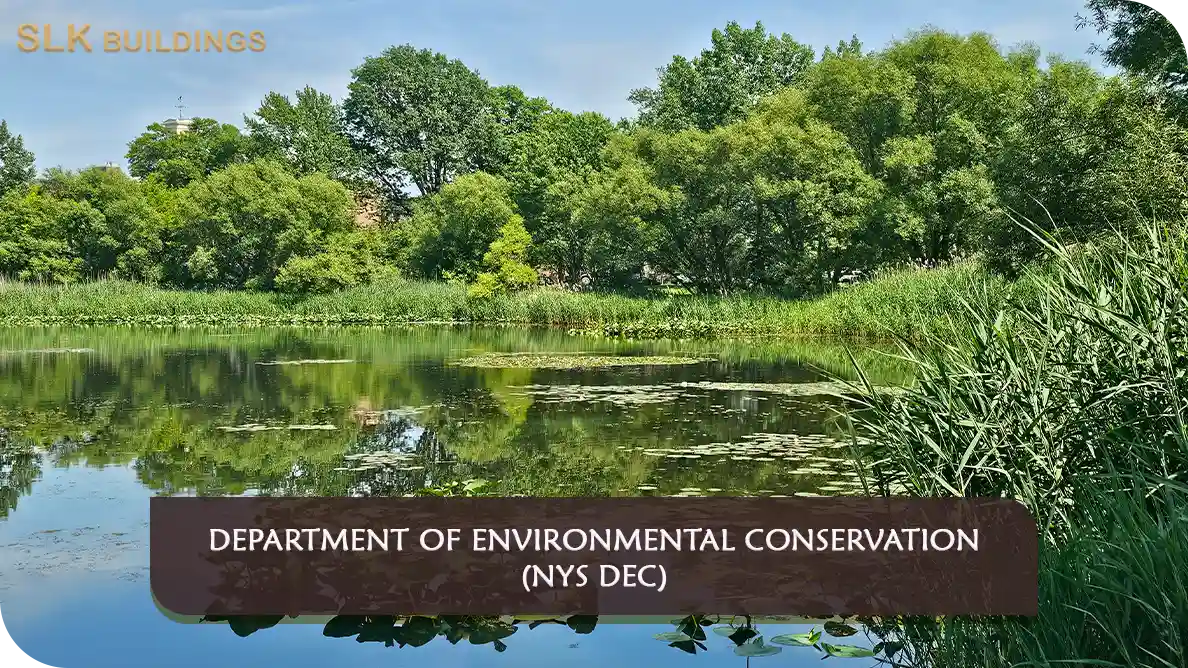
Understanding Freshwater and Tidal Wetlands Violations, Environmental Permits, and Construction Compliance in New York
NYS DEC wetlands violations can affect property owners, developers, and contractors who perform regulated construction, excavation, grading, filling, or other activities in protected wetlands and adjacent areas.
The New York State Department of Environmental Conservation (NYS DEC) administers environmental regulations designed to protect freshwater and tidal wetlands throughout much of New York State.
Before beginning work near wetlands, property owners and project teams should determine whether the site is regulated and whether environmental permits or other approvals are required.
What Are NYS DEC Wetlands Violations?
NYS DEC wetlands violations generally involve activities that fail to comply with applicable freshwater or tidal wetlands laws, regulations, permit conditions, or enforcement orders.
Potential violations include:
- Excavating or grading within regulated wetlands without required authorization.
- Placing fill, soil, construction debris, or other materials in protected areas.
- Constructing buildings, decks, retaining walls, driveways, or other structures without necessary permits.
- Altering drainage patterns or disturbing regulated wetland vegetation.
- Performing unauthorized dredging or shoreline modifications.
- Conducting regulated activities in protected adjacent areas.
- Failing to comply with environmental permit conditions or required restoration measures.
Not every activity near a wetland constitutes a violation. Regulatory jurisdiction, permit requirements, and applicable exemptions must be evaluated for the specific location and proposed work.
SLK Buildings resolves DEC violations fast with compliance filings, remediation plans, and agency closures ~ approvals often secured in 48 hours for urgent cases.

Freshwater Wetlands vs. Tidal Wetlands in New York
New York regulates two major types of wetlands under separate environmental programs.
Freshwater Wetlands
Freshwater wetlands include certain marshes, swamps, bogs, and other wetland environments that provide wildlife habitat, water storage, and flood protection.
The Freshwater Wetlands Act, Environmental Conservation Law Article 24, establishes the principal state regulatory framework.
As of 2026, NYS DEC generally requires permit applications for projects affecting previously mapped freshwater wetlands or wetlands measuring at least 12.4 acres, subject to applicable jurisdictional rules and the effects of recent court decisions.
Freshwater wetland regulation may also involve adjacent areas, commonly extending 100 feet from a regulated wetland boundary.
Because the regulatory framework has changed, property owners should obtain current jurisdictional guidance rather than relying exclusively on older wetlands maps.
Tidal Wetlands
Tidal wetlands occur along coastal and tidally influenced waterways, including locations in New York City, Long Island, and portions of the Hudson River.
The Tidal Wetlands Act, Environmental Conservation Law Article 25, regulates certain activities within tidal wetlands and their adjacent areas.
Depending on the location and applicable regulatory boundaries, protected adjacent areas may extend up to 300 feet inland, with a generally shorter 150-foot distance in New York City.
Construction, excavation, filling, shoreline stabilization, and other regulated activities may require NYS DEC authorization.
Wetlands, Waterways & Shorelines
Explore wetland jurisdiction, stream and shoreline work, and environmental restrictions that may affect waterfront or land-development projects.
NYS DEC Protection Of Waters Violations
NYS DEC Tidal Wetlands Violations
NYS DEC Coastal Erosion Violations
NYS DEC Wetland Jurisdictional Determinations
NYS DEC Stream Disturbance Permits
Explore Other NYS DEC Topics
Looking for a different environmental requirement? Explore our related NYS DEC resources.
Common Construction Activities That May Cause Wetlands Violations
Unauthorized Excavation and Grading
Excavation, site preparation, and changes to existing grades may affect regulated wetlands or adjacent areas.
Projects should be evaluated for environmental jurisdiction before beginning earthwork.
Filling or Dumping Materials in Wetlands
Placing soil, gravel, demolition debris, or other materials within regulated wetlands may constitute an unauthorized activity.
Depending on the circumstances, corrective measures may include removing materials and restoring affected areas.
Construction Without Required Wetlands Permits
Residential buildings, accessory structures, commercial developments, driveways, docks, and retaining walls may require environmental authorization when proposed within regulated areas.
Obtaining a local building permit does not necessarily satisfy separate NYS DEC requirements.
Shoreline and Waterfront Modifications
Bulkheads, seawalls, docks, piers, dredging, and shoreline stabilization work may involve tidal wetlands, freshwater wetlands, or additional environmental permitting programs.
Projects may require approvals from multiple agencies.
Disturbance of Wetland Vegetation
Clearing, grading, or removing vegetation in regulated wetlands and adjacent areas may require permits depending on the activity and applicable regulations.
How to Determine Whether Your Property Contains Regulated Wetlands
Before planning construction near wetlands, property owners should evaluate whether the property falls within NYS DEC jurisdiction.
Step 1: Review Available Wetlands Information
Consult official NYS DEC resources and available environmental mapping information.
Maps can provide useful preliminary information but may not conclusively establish current jurisdiction.
Step 2: Identify the Type of Wetland
Determine whether the site may contain freshwater wetlands, tidal wetlands, or both.
Different regulatory requirements may apply.
Step 3: Request a Jurisdictional Determination When Appropriate
NYS DEC provides a freshwater wetlands jurisdictional determination process to help establish whether a property contains regulated freshwater wetlands or adjacent areas.
Step 4: Evaluate Proposed Construction Activities
Review the proposed work, including excavation, filling, grading, building construction, and drainage modifications.
Step 5: Identify Required Environmental Permits
Determine whether the project requires NYS DEC wetlands permits or approvals from other agencies, including federal or local authorities.
How to Address an NYS DEC Wetlands Violation
A wetlands violation may require corrective action, environmental documentation, restoration, or formal coordination with NYS DEC.
Step 1: Review the Notice of Violation
Identify the alleged violation, cited regulations, affected property, response requirements, and deadlines.
Step 2: Avoid Further Unauthorized Disturbance
Do not continue potentially unauthorized work without confirming the applicable requirements.
Where a notice or order directs work to stop, follow its instructions.
Step 3: Evaluate Site Conditions
Qualified professionals may need to assess the wetland boundary, extent of disturbance, existing structures, and potential environmental impacts.
Step 4: Determine Corrective or Restoration Requirements
Depending on the circumstances, corrective measures may involve removing unauthorized fill or structures, restoring disturbed areas, or implementing approved environmental controls.
Step 5: Coordinate Required Applications and Documentation
Relevant submissions may include permit applications, environmental assessments, restoration plans, technical drawings, and other agency-required documentation.
Step 6: Confirm Enforcement and Compliance Obligations
Permit approval or corrective work does not automatically resolve an existing enforcement matter.
Any settlement, restoration obligation, penalty, or continuing compliance requirement must be addressed through the applicable process.
NYS DEC Wetlands Permit Requirements
Certain activities in regulated freshwater and tidal wetlands require permits before work begins.
Depending on the project, permit-related documentation may include:
- Property and project identification.
- Site plans and construction drawings.
- Wetland boundaries and regulated adjacent areas.
- Descriptions of proposed disturbances.
- Environmental impact and avoidance information.
- Mitigation or restoration proposals when required.
- Other documentation requested by the reviewing agency.
Additional approvals may be necessary under the Protection of Waters program, federal wetlands requirements, or local environmental regulations.
Potential Consequences of NYS DEC Wetlands Violations
Depending on the applicable law and circumstances, NYS DEC wetlands enforcement may involve:
- Civil penalties or other enforcement proceedings.
- Orders requiring corrective or remedial action.
- Removal of unauthorized structures or fill.
- Wetlands restoration or mitigation requirements.
- Additional regulatory review before work can proceed.
The specific outcome depends on the nature of the violation, environmental impacts, applicable enforcement authority, and agency determinations.
Property owners should not assume that a permit can be obtained retroactively or that payment of a penalty automatically authorizes existing work.
Environmental Permitting and Construction Project Coordination
Wetlands restrictions can affect construction feasibility, site planning, project schedules, and permitting requirements.
Important coordination activities may include:
- Identifying potential wetlands constraints before design development.
- Reviewing environmental notices and existing permits.
- Coordinating documentation with qualified environmental professionals.
- Tracking agency application requirements and correspondence.
- Identifying outstanding permit and compliance items.
- Coordinating environmental approvals with other project requirements.
SLK Buildings can discuss project documentation and permitting coordination needs to determine whether the matter falls within its services or requires specialized environmental or legal professionals.
Frequently Asked Questions About NYS DEC Wetlands Violations
What is an NYS DEC wetlands violation?
An NYS DEC wetlands violation generally involves failure to comply with an applicable wetlands law, regulation, permit condition, or enforcement order.
Can I build on property containing wetlands?
Construction may be possible in some circumstances, but regulated activities may require environmental permits. Approval depends on the specific property, proposed work, and applicable regulations.
Do wetlands regulations apply to areas outside the wetland itself?
Yes. Certain adjacent areas are also regulated. The applicable boundary depends on the type of wetland and governing requirements.
Do I need a wetlands permit for excavation or grading?
A permit may be required if the activity affects regulated wetlands or adjacent areas. The project location and proposed disturbance must be evaluated.
What happens if construction begins without a required wetlands permit?
Unauthorized work may lead to enforcement action, penalties, restoration requirements, or other corrective measures.
Can I obtain a permit after receiving a wetlands violation?
A permit application may be considered in some situations, but approval is not guaranteed and does not automatically resolve an existing enforcement matter.
How do I know whether my property has regulated freshwater wetlands?
Review current NYS DEC information and consider requesting a formal freshwater wetlands jurisdictional determination. Qualified environmental professionals may also assist with site evaluation.
Are NYC building permits sufficient for waterfront construction?
Not necessarily. A project may require separate approvals from NYS DEC, federal agencies, or other authorities.
Contact SLK Buildings About NYS DEC Wetlands Permitting and Compliance Coordination
Wetlands regulations can affect property development, construction activities, environmental approvals, and project schedules.
If your property or construction project involves regulated wetlands, an environmental permit requirement, or an NYS DEC wetlands violation, contact SLK Buildings to discuss the documentation and coordination assistance that may be appropriate.

🚧 Seeking Professional Guidance on NYS DEC Department of Environmental Conservation
Given the intricacies of New York State’s Department of Environmental Conservation regulations, property owners should seek qualified assistance when dealing with NYS DEC Department of Environmental Conservation. The right guidance can mean the difference between weeks of delay and a swift resolution.
At SLK Buildings, we’ve spent over 25 years helping NYC homeowners, developers, and business owners navigate DOB requirements, file the right paperwork, and remove violations efficiently. Our team understands both the legal framework and the practical steps needed to lift a Stop Work Order ~ from site inspections and permit filings to coordination with licensed professionals and city agencies.
Whether you’re dealing with an emergency shutdown or a complex project suspension, SLK Buildings provides clear strategies to restore compliance, reduce penalties, and get your project moving again.
SLK Buildings assists Home Owners in dealing with NYS DEC Department of Environmental Conservation
- “From Wetlands to Stormwater “
- “Permit renewals and Modifications.”
- “SLK Buildings works across Manhattan, Bronx, Brooklyn, Queens and Staten Island”
SLK Buildings provides free educational content to help property owners understand their options.
For those who prefer professional assistance, we’re available to manage the process on your behalf.