
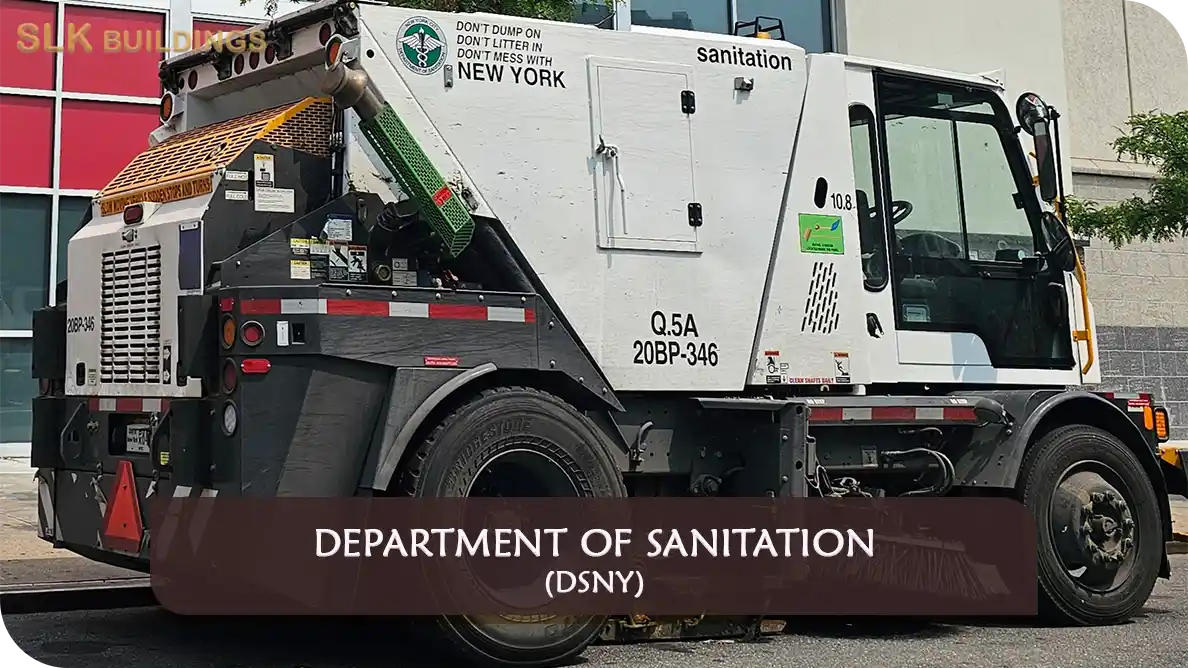
Start with the activity, property and responsible applicant to identify the correct sanitation filing.
NYC sanitation permits and approvals cover several different activities. A development may need a waste management plan; a contractor changing land grades may need a fill operation permit; a waste facility may require an operating permit. Identifying the correct category early helps the project team obtain the right information and avoid filing an unrelated application.
Begin with a brief description of the site and activity. Will material be generated there, brought in from other properties, temporarily stored, processed, transferred or placed as permanent fill? Who owns the land, who performs the work and who will operate afterward? These questions help distinguish a building-management matter from a regulated waste operation.
Use the full property address and borough, block and lot in the working record. Keep different sites separate even when they share an owner. Include the existing use, proposed change, relevant drawings and any current agency correspondence. A general business description alone may not establish which site-specific approvals are needed.
Certain new or substantially altered residential developments require a DSNY-approved waste management plan. The filing coordinates with DOB design submissions and addresses storage, separation and collection arrangements. Collection service has its own request process, and DSNY may withhold service where the required plan has not been approved or implemented.
DSNY’s Fill Material Operation Permit addresses adding clean fill for landfilling, grading or land improvement. The work location, material sources and proposed grades matter. The applicable application must coordinate with other governmental approvals; obtaining a building permit does not by itself settle the sanitation requirement.
City law requires authorization for regulated waste-transfer operations. The applicable permit depends on the activity and waste category, including construction and demolition debris, fill material or putrescible waste. Site plans, permitted use, technical certifications and state environmental requirements can all affect the filing.
Other DSNY filings apply to defined activities. Examples include registration of publicly accessible donation bins on private property and annual removal plans for regulated medical waste generators. Covered businesses processing organics on-site also have DSNY equipment registration requirements. Match the form to the actual operator and activity. A form appearing on DSNY’s website does not mean that every building owner must submit it.
Related approvals can sit outside DSNY. BIC handles trade-waste hauler licenses and registrations. DOT controls permits for relevant containers placed in the street. NYSDEC regulates applicable waste facilities under state rules. These approvals answer different questions about who may haul material, where equipment may stand and what a facility may receive or process.
Prepare a simple filing schedule showing each agency, the responsible applicant, required supporting material and the dependency on another decision. Where drawings or certifications are required, involve the appropriate licensed professional. Flag questions about land use or environmental conditions before the team commits to equipment purchases or a start date.
Before submission, compare the proposed activity across the application, drawings and supporting narrative. For example, a plan showing temporary storage should not accompany a description of permanent placement without an explanation. Resolving these differences first gives reviewers a coherent account of the request and helps the owner understand exactly what is being proposed.
Keep proof of submission and the agency reference number with the project record. Separate missing-document requests from technical comments and record the response date for each. When approval arrives, review its conditions, term and any remaining pre-operation steps. Place recurring reporting or renewal items on the owner’s schedule instead of treating permit issuance as the end of the assignment.
SLK Buildings helps property owners, contractors and operators organize sanitation filings within the larger project. We can identify the agency questions to resolve, assemble available records, coordinate submissions with responsible applicants and professionals, and track review comments and outstanding approvals. Our role is to make the filing sequence understandable and keep the documentation moving toward the required agency decisions.

Different activities have different authorization routes. Describe the work and site first, then determine whether a DSNY permit, plan, registration or service request applies. A form for a transfer station would not address ordinary residential collection planning.
BIC issues the applicable trade-waste licenses and registrations. DSNY separately sets and enforces sanitation requirements and administers Commercial Waste Zones. Confirm both the company’s BIC authority and any additional authorization relevant to the intended collection service.
Treat each agency requirement separately. For example, covered residential projects coordinate waste plans with DOB submissions, and fill applications may require copies of other governmental approvals. The project team should verify which approvals remain outstanding before work or service begins.
The correct applicant depends on the authorization. The fill-operation rule assigns the application to the contractor performing the work. Other forms address owners, agents or operators. Confirm the applicant before collecting signatures and submitting business records.
Send the address, current and proposed use, work description, owner and contractor information, available plans, and any existing permit or agency correspondence. Explain whether materials will arrive from another property and what will happen to them at the site.
Review the approval’s conditions and the obligations attached to the operation. Transfer-station operators, for example, have quarterly reporting requirements. Build ongoing inspections, reports and renewal dates into the operating record so responsibilities remain clear after the filing closes.

Share the property address, proposed activity and any agency notices or drawings. SLK Buildings can help establish the filing route, identify supporting documents and coordinate the next step with the responsible project participants.
New York City Department of Sanitation requirements can affect how residential and commercial properties store, separate, set out, collect, and manage waste. Property owners and businesses may also encounter sanitation violations, summonses, waste management plans, container requirements, registrations, and specialized permits. Determining the correct next step often depends on the property type, building use, waste stream, collection arrangement, and specific DSNY requirement.
At SLK Buildings, we help NYC property owners, managers, developers, and business owners navigate NYC Department of Sanitation requirements, organize the necessary documentation, and coordinate applicable filings and agency procedures. Our work can include sanitation violation support, waste management plans, collection-service coordination, commercial waste compliance, permit and registration preparation, and coordination with other agencies and qualified professionals when required.
Whether you are responding to a sanitation violation, planning waste management for a new or altered building, reviewing commercial waste requirements, or determining whether a DSNY permit or registration applies, SLK Buildings can help you understand the requirements, organize the documentation, and coordinate the next steps toward compliance.
SLK Buildings assists Property Owners, Managers, Developers, and Businesses with NYC Department of Sanitation matters, including:
For a complete overview of SLK Buildings’ NYC Sanitation services, permits, compliance topics, and related resources, visit our NYC Department of Sanitation Services.
SLK Buildings provides free educational content to help property owners, managers, developers, and businesses understand their options. For those who prefer professional assistance, we are available to help coordinate the applicable documentation, filings, agency requirements, and compliance process.