
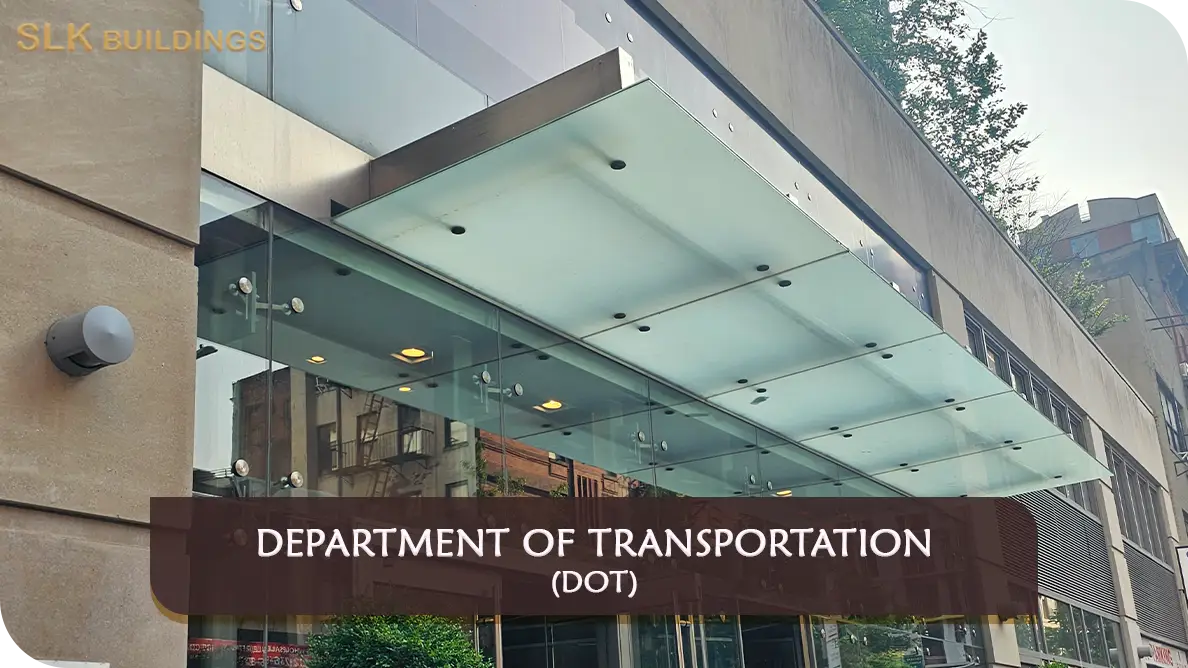
Coordinating Responses to Street-Work Notices, Restoration Defects, and Utility Construction Issues
NYC DOT construction and utility violations concern work in the public street, including excavation, construction occupancy, protection of the work zone, and restoration. A building project may involve several contractors and approvals, so identifying the precise notice and responsible permittee is essential before deciding what to file or repair. DOT’s HIQA division inspects street work during construction and through the applicable guarantee period.
SLK Buildings coordinates permit records, application preparation, contractor and professional communications, and inspection follow-up. The service connects the field problem with the documents needed to address it without treating every notice as the same type of violation.
Street opening and building-operations permits address different activities. Utility excavation, material storage, equipment placement, and temporary occupation may need distinct authorization. The applicable permits should describe the actual work, location, and time period. A permit belonging to another contractor or a different operation should not be assumed to cover the current activity.
Street-work requirements address protection of obstructions, identification signs, access to permit records, and authorized treatment of existing street assets. The contractor must implement the applicable controls, rather than treating the permit application as the end of compliance planning.
A utility repair can be operationally complete while its street restoration remains unfinished or defective. DOT distinguishes temporary arrangements from permanent restoration. Keep the restoration scope and responsibility visible in the schedule, even after the utility crew leaves.
Related Service: NYC DOT Street Opening Permits
A Corrective Action Request identifies work requiring correction. DOT’s manual provides a 30-day response period for ordinary CAR corrective work and separately recognizes priority notices for conditions needing immediate attention. Follow the actual document and applicable instructions; do not use the ordinary period to delay an urgent response.
A summons concerns an alleged violation and may require an OATH response. An order can direct cessation or remedial action. Label these documents separately in the project file so the contractor’s corrective work is not mistaken for completion of the hearing or administrative process.
Match the notice location with the permit number, utility connection, excavation segment, or occupied area. On a larger project, several permits may refer to the same address. Identify which entity performed the relevant work and which documents apply to the cited date.
Gather the issued permit and stipulations, approved sketches, date-stamped photographs, field logs, inspection records, utility correspondence, and contractor reports. A useful evidence folder explains what happened and where; it should not rely on unlabeled screenshots or an invoice that merely says “street work.”
The team may need to make a condition safe while separately reviewing responsibility or contesting a summons. Do not postpone an urgent response because another party might ultimately bear the cost. Questions about liability, indemnification, or legal strategy belong with the appropriate professional or attorney.
Discuss the proposed repair with the permittee and responsible professionals. Identify whether the existing permit remains active and whether revised or additional authorization is needed. A repair plan is not permission to disregard an order, occupy extra street space, or continue under an expired permit.
SLK helps assemble the notice record, identify missing permit information, prepare applicable filings, coordinate responses to agency comments, and track inspections or hold-release steps. The work plan should show what is outstanding, who owns each action, and what evidence will demonstrate completion.
Send the full notice, project address, permit numbers, utility or subcontractor details, recent photographs, and any active deadlines. Include earlier agency responses so the review does not restart from an incomplete history.
Related Resource: NYC DOT Permits, Violations and Approvals

For planned excavation, DOT’s guidance directs excavators to notify New York 811, wait the required interval, confirm utility responses, and respect field markings. A DOT permit and an 811 notification serve different purposes; completing one does not replace the other.
From a coordination standpoint, record the excavator’s contact, planned dig area, ticket information, and schedule together. When the work area or timing changes, the excavator should assess the notification requirements rather than relying on an old ticket without checking its applicability.
Ask who will complete temporary restoration, who will return for permanent restoration, and who will maintain the area in the interim. Keep drawings, material records, and completion photographs where the permittee can retrieve them. The owner or general contractor should not lose visibility simply because restoration is subcontracted.
A Re-Dig hold may be associated with failed restoration, and the hold procedure can require HIQA’s presence during the replacement work. The specific hold and releasing unit need to be identified before scheduling another attempt.
Related Service: NYC DOT Permit Holds and Releases
Water and sewer connections can involve DEP approvals in addition to DOT street-work permits. Construction noise and after-hours work also need their own review. These should be tracked as related approvals, not renamed as a single all-purpose DOT permit.
When a utility-owned asset is involved, include the utility’s field and administrative contacts in the project record. SLK’s coordination role is to help the parties exchange the appropriate documentation and track decisions; technical repair methods remain with the qualified team performing and designing the work.

Contact SLK Buildings with the complete document and relevant street-work records. We can organize the filing and agency-coordination tasks while the responsible contractor, utility, or design professional addresses the technical work.
SLK Buildings is a private firm and is not affiliated with NYC DOT or any government agency. Agency approval, professional design responsibilities, licensed trade work, and project-specific requirements remain part of the applicable review process.
NYC Department of Transportation requirements can affect sidewalk work, street openings, construction activity, curb cuts, temporary street occupancy, roadway closures, vaults, canopies, revocable consents, outdoor dining, and other work involving New York City streets and sidewalks.
Property owners, developers, contractors, architects, and businesses should identify the applicable NYC DOT permits and approvals before work begins. Missing permits, incomplete filings, permit holds, conflicting agency requirements, or noncompliant work can delay a project and may lead to inspections, corrective-action requirements, summonses, or other enforcement measures.
At SLK Buildings, we assist property owners, developers, contractors, architects, and businesses with NYC DOT permit filing, document preparation, agency coordination, permit follow-up, and compliance-related requirements. Depending on the project, this may include sidewalk permits, street opening permits, construction activity permits, curb cut permits, roadway closures, permittee registration, permit renewals and reissuance, permit holds and releases, revocable consents, vaults, canopies, and other DOT approvals.
Whether you are planning work in the public right-of-way, responding to a permit issue, coordinating multiple City agencies, or addressing a DOT inspection or violation, SLK Buildings can help organize the filing process, identify outstanding requirements, coordinate supporting documentation, and keep the project moving toward approval and compliance.
SLK Buildings Assists Property Owners and Project Teams with NYC DOT Requirements
SLK Buildings provides free educational content to help property owners, developers, contractors, and businesses understand NYC DOT permits, approvals, violations, and compliance requirements.
For those who prefer professional assistance, SLK Buildings is available to coordinate permit filings, supporting documentation, agency follow-up, and other NYC DOT-related project requirements.
Explore the Complete NYC DOT Permit, Violation, and Approval Resource Center
No. DOT distinguishes corrective requests from summonses and orders. Each requires the response appropriate to that document.
No. Payment is not physical restoration or inspection acceptance. Track the work and administrative outcome as separate items.
Ordinary construction-permit reissuance is not retroactive. Any earlier allegation still needs the appropriate response.
No. Utility-location notification is a separate excavation requirement handled through New York 811 and the responsible excavator.
Yes. HIQA’s inspection responsibilities extend through the applicable guarantee period. Retain the restoration and permit records after construction ends.
Street Works Manual ~ Street Construction Inspections and Enforcement
Street Works Manual ~ Street Opening Permits
Street Works Manual ~ Building Operations and Construction Activity Permits
Street Works Manual ~ General Requirements for Executing Work
Street Works Manual ~ Street Restoration Requirements
NYC DOT ~ Inspections and Enforcement
Street Works Manual ~ Permit Renewals and Reissuances
Street Works Manual ~ New York 811
Street Works Manual ~ Permit and Permittee Holds