
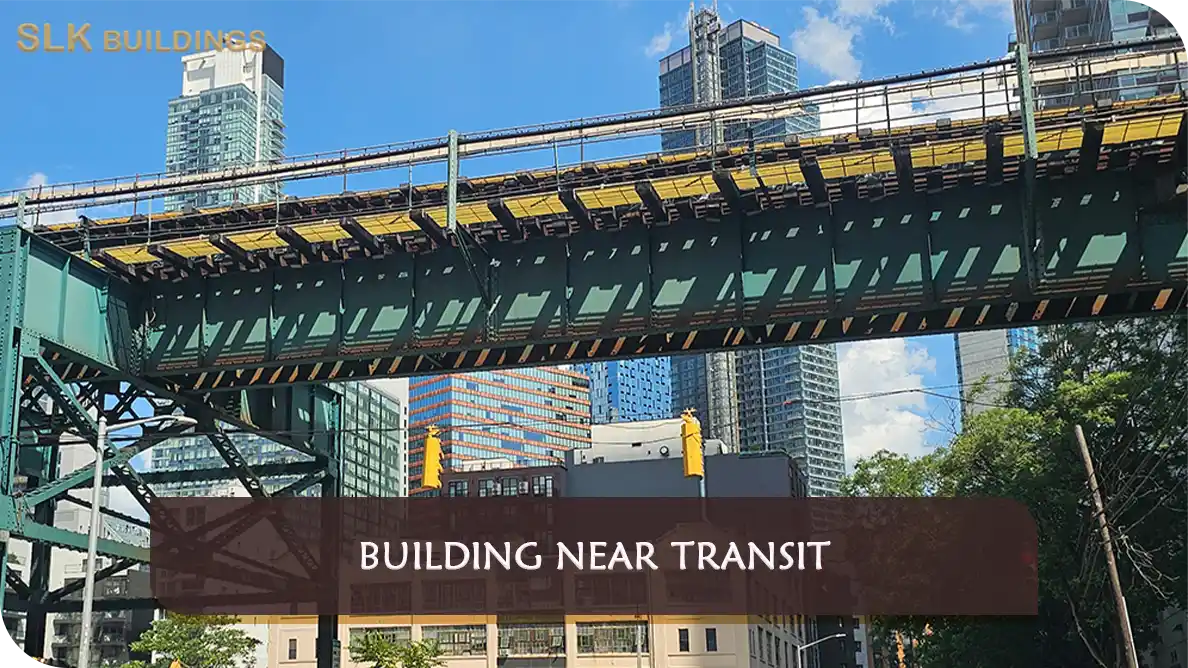
NYC BNT is the SLK Buildings resource center for construction projects that need to consider MTA infrastructure near a building site. It explains the MTA External Partner Program (EPP) requirements that can arise beside ordinary NYC DOB construction filings, and directs readers to the specific documents and project conditions involved.
MTA construction approvals are not one single permit or engineering study. A project can begin with an archive drawing request and EPP Adjacency application, move through technical comments or a no-impact determination, and require additional safety, insurance, or construction-stage clearances where applicable. These workstreams should be evaluated together by the project team. The phrase NYC Building Near Transit refers to these construction-adjacency issues, while MTA adjacency review is the specific EPP pathway for private projects near transit assets.
For a broader introduction, return to the Building Near Transit landing page. If you are starting with the distance threshold, open MTA 200 Foot Review. The topic descriptions below explain where to go next.

Understand when proximity to MTA infrastructure triggers EPP Adjacency screening and which information to gather. Detailed SLK guide: MTA 200 Foot Review.
Coordinate the Adjacency application, technical review comments, and written MTA disposition. Detailed SLK guide: MTA EPP Approval.
Request and interpret the available MTA archival or as-built records before designing work close to transit. Detailed SLK guide: MTA Archive Drawings.
Organize plans and sections showing construction relative to MTA structures for licensed-professional review. Detailed SLK guide: MTA Engineering Drawings.
Identify where proposed excavations or foundation work may create an influence zone near transit assets. Detailed SLK guide: MTA Line of Influence.
Understand written review outcomes and how they affect later project milestones. Detailed SLK guide: MTA Impact and No Impact Letters.
Coordinate ground investigations, soil and rock information, and related design reports when required. Detailed SLK guide: Geotechnical Reports.
Plan project-specific movement, settlement, and vibration monitoring with the design team. Detailed SLK guide: MTA Construction Monitoring Plan.
Coordinate protective designs when MTA requires shielding or other construction safeguards. Detailed SLK guide: MTA Shielding Plans.
Prepare for insurance submissions and applicable agreements before authorized work proceeds. Detailed SLK guide: MTA Insurance Requirements.
Identify safety plans, training, and access conditions that may apply to the work. Detailed SLK guide: MTA Safety Requirements.
Distinguish an approved drawing from the construction-stage authorization required by MTA. Detailed SLK guide: MTA Notice to Proceed.
Coordinate excavation and support-of-excavation plans close to subway and other MTA structures. Detailed SLK guide: Excavation Near MTA.
Understand why underpinning methods and calculations require professional design and review. Detailed SLK guide: Underpinning Near MTA.
Coordinate pile installation, borings, drilling, and potential vibration effects. Detailed SLK guide: Piles and Borings Near MTA.
Review crane location, lift methods, and clearance issues near MTA facilities. Detailed SLK guide: Crane Operations Near MTA.
Address possible groundwater impacts, including MTA review beyond the usual proximity threshold. Detailed SLK guide: Dewatering Near MTA.

The 200-foot requirement is a threshold for contacting and applying to MTA EPP, not a promise of a uniform approval outcome. A small interior renovation, a pile foundation, and a major excavation can each present different technical questions. MTA determines the relevant review response based on the project and available information.
Applicants should use current EPIC instructions instead of assuming legacy application systems remain active. MTA reports that EPIC replaced its previous Asite submission workflow in October 2025. Archive records, applications, insurance, safety forms, and applicant payments are handled through the current EPP platform.
If the work changes during design, the team may need to coordinate revisions or an application addendum. Plans, agency letters, DOB information, safety submissions, and the actual construction sequence should describe consistent work. Do not assume that an old approval automatically covers a changed scope.
SLK Buildings assists property owners, business operators, developers, contractors, and project teams with NYC BNT screening, MTA EPP review coordination, archive research, submission tracking, agency correspondence, and construction-stage documentation.
We can help organize communication between the owner and the appropriately licensed technical team, but MTA issues its own determinations and project professionals remain responsible for reserved professional services.
Disclaimer: SLK Buildings is a private consulting and construction-management firm, not affiliated with MTA, NYCT, NYC DOB, or another government agency. Information is general and does not replace project-specific legal, engineering, architectural, or other licensed professional advice.
Construction within 200 feet of MTA property can require EPP Adjacency review alongside NYC DOB permits. Owners, developers, and project professionals need to identify nearby transit assets and the construction activities that might affect them.
Before selecting an approval path, confirm the project scope, survey, available MTA archive drawings, EPIC application requirements, and licensed-professional responsibilities. MTA may issue an impact or no-impact disposition and set construction-stage conditions.
SLK Buildings coordinates archive requests, Adjacency applications, agency comments, supporting records, and construction-stage tracking. We support the owner and qualified project team without replacing licensed design or MTA decisions.
Whether reviewing the 200-foot threshold, planning excavation, addressing comments, or coordinating safety and insurance, we help organize outstanding actions alongside separate DOB requirements.
SLK Buildings provides free educational content explaining MTA EPP review, drawings, written determinations, and construction requirements for owners and project teams.
For professional assistance, SLK Buildings coordinates applications, archive requests, reviewer comments, and approval tracking. Licensed professionals remain responsible for technical design, certification, and field work.
Disclaimer: SLK Buildings is a private consulting and construction-management firm, not affiliated with MTA, NYCT, NYC DOB, or another government agency. Information is general and does not replace project-specific legal, engineering, architectural, or other licensed professional advice.
No. NYC BNT is this SLK resource category. MTA EPP is a separate review process that may apply to construction near MTA property, while DOB issues applicable City building and construction permits.
Yes. MTA Adjacency guidance directs applicable private projects to apply and obtain archival information early enough to inform the proposed engineering plans. Starting late can create avoidable design and scheduling issues.
MTA may issue a determination of no impact after its review. Applicants should retain the actual letter and follow the directions in that response, rather than assume no impact without applying.
No. SLK coordinates the process and supporting information. Required engineering calculations, design, certification, and surveys must be performed by appropriately licensed professionals.
No. The MTA EPIC forms guidance states that approved drawings, applicable safety and insurance submissions, and a Notice to Proceed must be addressed before scheduling commencement of affected work.