
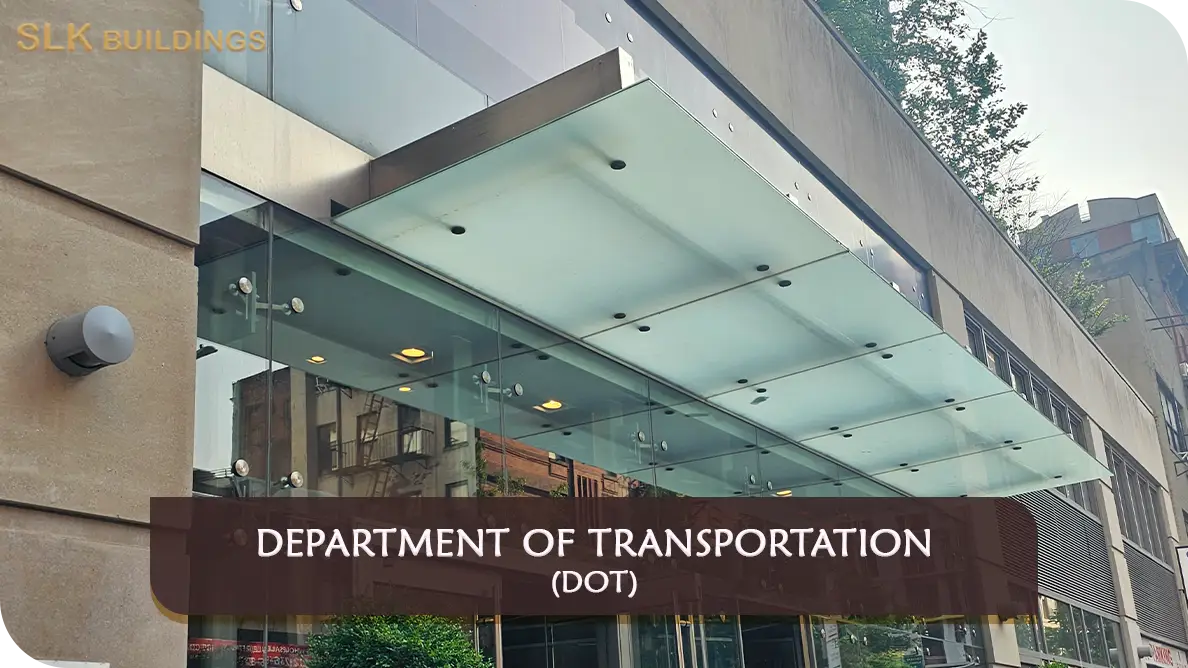
Preparing the Applicant, Business Records, and Authorized Representatives for NYC DOT Filings
NYC DOT permittee registration establishes the applicant record used for construction-related street-work filings. Before a contractor can manage project permits effectively, the business identity, required supporting documents, and authorized representatives need to be correctly recorded. Registration is an administrative prerequisite; it does not itself authorize excavation, sidewalk reconstruction, or occupation of the roadway.
SLK Buildings assists with organizing registration submissions and coordinating the information needed for subsequent applications. A complete applicant record helps avoid preventable problems when a project is ready to file, while each proposed activity still requires its own permit review.
The permittee is the entity identified on the permit and responsible for complying with its requirements. An owner, contractor, utility, and filing representative may all participate in a project, but their roles are not interchangeable. The business requesting authorization must be identified correctly, and an expediter should not be substituted for the responsible contractor simply for convenience.
An organized project file should distinguish the property owner, contracting entity, applicant signatory, field supervisor, and authorized filing representative. This makes it easier to resolve questions about who supplies a document, who signs it, and who performs the work.
Registration creates or maintains the applicant’s agency record. A project permit authorizes a defined activity at a specified location, subject to its dates and stipulations. DOT’s Street Works Manual addresses registration separately from the application and issuance process.
For example, completing a contractor’s registration does not approve a container location or excavation route. The project team must still identify the permit category, supporting plans, related agency approvals, and any holds affecting the application.
Related Service: NYC DOT Permit Expediting
DOT’s registration instructions identify documentation establishing the applicant’s legal name, business structure, and federal identification information. Supporting records differ for corporations, partnerships, and other applicant types. Use the current agency checklist for the actual entity rather than recycling another company’s package.
As a preparation step, compare names and addresses across formation records, applications, insurance documents, and existing permits. Explain legitimate differences before filing instead of allowing inconsistent abbreviations or outdated addresses to create uncertainty about the applicant.
Required insurance and any applicable bond or license documentation must be supplied in the form DOT accepts. The registration checklist addresses general liability, workers’ compensation, and other supporting records as applicable. Particular activities may require additional credentials, including relevant carting documentation for container-related work.
Insurance coverage and wording should be coordinated with the applicant’s broker and responsible advisers. SLK can track document requests and submission status, but a filing review is not an insurance-coverage opinion. Do not assume an old certificate remains acceptable after a policy change.
DOT’s instructions distinguish the business applicant from people authorized to act for it, including expediters. Required signatures, authorization records, and notarization should follow the current application instructions. A representative’s access should reflect the business’s actual authorization.
Keep the authorization record current when personnel or service providers change. Access to a filing system should not be shared informally as a substitute for an approved representative arrangement.
SLK Buildings can coordinate the registration checklist, collect business and representative records, organize agency submissions, and follow up on outstanding items. The scope can also connect registration readiness with planned street-opening, construction-activity, sidewalk, or container applications.
The applicant remains responsible for the accuracy of its business information and authorizations. Technical certifications, insurance advice, and physical construction remain with the appropriate professionals, advisers, and contractors.
Related Resource: NYC DOT Permits, Violations and Approvals

First gather any existing permittee number, prior registration correspondence, and recent permits. Determine whether the assignment is a new registration, an update to the current entity’s records, or a different legal entity that needs separate treatment. Do not assume that buying a business automatically transfers its agency credentials.
Create one document list with the responsible person, required action, and current version for each item. Resolve missing signatures and discrepancies before submission. Ask the agency to clarify an unusual entity or authorization issue instead of guessing which supporting record will be accepted.
Record the submission date, reference number, outstanding requests, and evidence of completion. A sent application is not the same as an accepted registration. Confirm the applicant’s filing access and current record before treating the business as ready for a time-sensitive project application.
The Street Works Manual describes registration as a one-time process with continuing responsibilities to keep required information current. Insurance and other applicant records must remain valid; registration should not be treated as a permanently finished task regardless of later changes.
A useful internal calendar records policy expiration dates, document requests, representative changes, and upcoming permit needs. Begin renewal-document coordination early enough to avoid discovering a missing record during an urgent application.
For a business managing several projects, keep the central applicant record separate from each site’s plans and permits. One registration document may support multiple applications, while a project-specific approval should remain connected to the correct property and scope.
An applicant-level issue can affect more than one project. DOT distinguishes holds on a permit application from holds on a permittee. Before resubmitting a project package, identify whether the obstacle concerns the proposed work or the applicant’s underlying record.
Related Service: NYC DOT Permit Holds and Releases
This distinction helps direct the response. A missing insurance document is not resolved by revising a sidewalk drawing, and a site-specific engineering review is not resolved merely by updating business information.

Contact SLK Buildings to organize your DOT registration or applicant-record update. A clear business record and properly authorized filing team provide a stronger starting point for the permits your projects need.
SLK Buildings is a private firm and is not affiliated with NYC DOT or any government agency. Agency approval, professional design responsibilities, licensed trade work, and project-specific requirements remain part of the applicable review process.
NYC Department of Transportation requirements can affect sidewalk work, street openings, construction activity, curb cuts, temporary street occupancy, roadway closures, vaults, canopies, revocable consents, outdoor dining, and other work involving New York City streets and sidewalks.
Property owners, developers, contractors, architects, and businesses should identify the applicable NYC DOT permits and approvals before work begins. Missing permits, incomplete filings, permit holds, conflicting agency requirements, or noncompliant work can delay a project and may lead to inspections, corrective-action requirements, summonses, or other enforcement measures.
At SLK Buildings, we assist property owners, developers, contractors, architects, and businesses with NYC DOT permit filing, document preparation, agency coordination, permit follow-up, and compliance-related requirements. Depending on the project, this may include sidewalk permits, street opening permits, construction activity permits, curb cut permits, roadway closures, permittee registration, permit renewals and reissuance, permit holds and releases, revocable consents, vaults, canopies, and other DOT approvals.
Whether you are planning work in the public right-of-way, responding to a permit issue, coordinating multiple City agencies, or addressing a DOT inspection or violation, SLK Buildings can help organize the filing process, identify outstanding requirements, coordinate supporting documentation, and keep the project moving toward approval and compliance.
SLK Buildings Assists Property Owners and Project Teams with NYC DOT Requirements
SLK Buildings provides free educational content to help property owners, developers, contractors, and businesses understand NYC DOT permits, approvals, violations, and compliance requirements.
For those who prefer professional assistance, SLK Buildings is available to coordinate permit filings, supporting documentation, agency follow-up, and other NYC DOT-related project requirements.
Explore the Complete NYC DOT Permit, Violation, and Approval Resource Center
No. The applicable project permit must be issued and active, with any prerequisite approvals satisfied.
Yes. The business must properly authorize the representative and provide the required applicant documents.
Registration and individual project applications are separate. Keep the applicant record current and obtain the permits required for each job.
Coordinate the updated documents with the broker and DOT’s current requirements. Do not assume that an earlier filing automatically updates itself.
Provide the legal business name, existing permittee information, planned work categories, current insurance records, and the person authorized to sign for the applicant.