
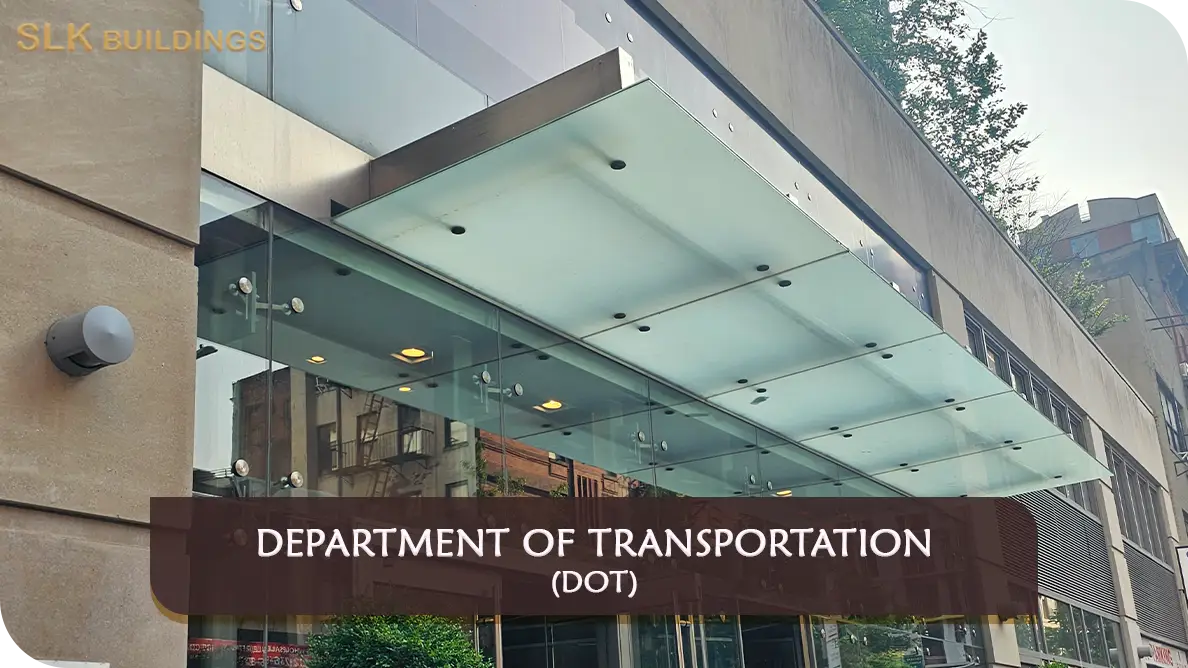
Review of Nonstandard Sidewalk Materials, Patterns, and Streetscape Proposals
NYC distinctive sidewalk approvals concern proposals that use nonstandard materials, colors, scoring, or other treatments in public sidewalk space. The design may be part of a building frontage, plaza, or broader streetscape, but the public location means the owner’s preference is not the only approval criterion. DOT and the Public Design Commission have defined review roles, and historic-district requirements can also be relevant.
SLK Buildings coordinates the approval records, design-team inputs, application materials, and related permit follow-up. Reviewing the material and approval route before procurement helps keep a sidewalk design from becoming an expensive construction change later.
Begin with the current paving, proposed replacement, location, extent of work, and any prior approval. Photograph the full frontage and neighboring conditions, not just a material sample. Record whether the project replaces an existing approved treatment, proposes a new one, or changes the limits of a previous design.
The review path depends on location, existing and proposed materials, and the status of earlier approvals. Do not assume an attractive historic-looking material is automatically standard in every neighborhood, or that a special treatment at a nearby property establishes permission for this one.
The Street Design Manual describes distinctive-material proposals in relation to an entire block, a streetscape project, a design integral to an adjoining plaza, or compatibility with prevailing materials on adjacent blocks. DOT evaluates consistency with its manual and the stated criteria; PDC considers the aesthetic effect on the streetscape.
For planning, ask the design team to explain why the proposed treatment belongs at this location. A coherent frontage or streetscape rationale is more useful than a material selection based only on a building’s branding. The designer should document context and boundaries so the reviewing agencies can understand the proposal.
DOT administers the applicable permits for sidewalk, curb, and roadway work outside the relevant building-project approval context. A material approval does not replace the construction permit for installing it.
Where frontage improvements are associated with the relevant new-building or alteration project, DOB’s BPP review also applies. The approved BPP and the distinctive-material review should describe the same configuration. Keep the permit, design approval, and completion requirements as separate entries in the project record.
Related Service: NYC Builders Pavement Plans
The Street Design Manual distinguishes historic districts with regulated sidewalk materials from other designated historic districts. LPC review therefore needs to be determined from the actual location and material rules, not assumed for every sidewalk project merely because it is near an old building. Historic materials outside historic districts can also be treated as distinctive.
SLK coordinates document collection, application preparation, agency correspondence, professional responses, and related permit tracking. The service is particularly useful where the project involves several approvals whose drawings and material descriptions must remain consistent.
Send the property address, photographs, available survey or drawings, proposed finish information, work limits, and prior agency records. Explain whether the project is standalone sidewalk work, part of a BPP, or associated with a plaza or broader streetscape.
Related Resource: NYC DOT Permits, Violations and Approvals

The exact submission requirements depend on the applicable review, but a practical coordination file should assemble the survey or base plan, existing-condition photographs, proposed materials and finishes, paving pattern, work limits, and prior approvals. The design team should identify technical details and accessibility or drainage issues requiring professional resolution.
Keep material names, colors, dimensions, and drawing references consistent. A sample board that differs from the written specification creates avoidable ambiguity. Where a proposed product is later substituted, assess whether the change needs agency review before installation.
Provide photographs and a plan showing adjacent frontage and the proposed treatment’s limits. Identify how the design connects to existing paving, entrances, curb cuts, pedestrian ramps, trees, and utility covers. Context is especially important when a distinctive treatment is proposed for only part of a larger public area.
Collect previous DOT, PDC, LPC, or DOB records that apply to the sidewalk. Clearly separate approved drawings from design studies, presentations, and vendor illustrations. A rendering can explain the idea, but it should not be mistaken for a construction or agency-approval record.
Before ordering materials, confirm that the proposal has received the applicable review and that any conditions are understood. Before installation, confirm the construction permit, contractor, work dates, and pedestrian arrangements. DOT’s sidewalk permit requirements still apply to the work itself.
The contractor should receive the approved material information and current drawings together. Record any field condition that could change grades, transitions, joints, or other technical details and refer it to the responsible professional. DOT’s sidewalk-repair guidance addresses the completed surface and connections, not only material appearance.
Related Service: NYC DOT Sidewalk Permits
A distinctive sidewalk creates a long-term property-management record as well as an initial construction task. Retain the approved drawings, material specification, supplier information, and relevant agreement or maintenance conditions. Future owners or contractors should be able to identify what was approved without reconstructing the entire application history.
For a later repair, check whether the proposed replacement matches the approved treatment and whether another review is needed. A shortage of the original material should prompt a deliberate substitution review, not an assumption that any visually similar product will be acceptable.

Contact SLK Buildings before finalizing a nonstandard sidewalk treatment. We can help coordinate the design review, agency records, and construction-permit sequence for your property frontage.
SLK Buildings is a private firm and is not affiliated with NYC DOT or any government agency. Agency approval, professional design responsibilities, licensed trade work, and project-specific requirements remain part of the applicable review process.
NYC Department of Transportation requirements can affect sidewalk work, street openings, construction activity, curb cuts, temporary street occupancy, roadway closures, vaults, canopies, revocable consents, outdoor dining, and other work involving New York City streets and sidewalks.
Property owners, developers, contractors, architects, and businesses should identify the applicable NYC DOT permits and approvals before work begins. Missing permits, incomplete filings, permit holds, conflicting agency requirements, or noncompliant work can delay a project and may lead to inspections, corrective-action requirements, summonses, or other enforcement measures.
At SLK Buildings, we assist property owners, developers, contractors, architects, and businesses with NYC DOT permit filing, document preparation, agency coordination, permit follow-up, and compliance-related requirements. Depending on the project, this may include sidewalk permits, street opening permits, construction activity permits, curb cut permits, roadway closures, permittee registration, permit renewals and reissuance, permit holds and releases, revocable consents, vaults, canopies, and other DOT approvals.
Whether you are planning work in the public right-of-way, responding to a permit issue, coordinating multiple City agencies, or addressing a DOT inspection or violation, SLK Buildings can help organize the filing process, identify outstanding requirements, coordinate supporting documentation, and keep the project moving toward approval and compliance.
SLK Buildings Assists Property Owners and Project Teams with NYC DOT Requirements
SLK Buildings provides free educational content to help property owners, developers, contractors, and businesses understand NYC DOT permits, approvals, violations, and compliance requirements.
For those who prefer professional assistance, SLK Buildings is available to coordinate permit filings, supporting documentation, agency follow-up, and other NYC DOT-related project requirements.
Explore the Complete NYC DOT Permit, Violation, and Approval Resource Center
No. Distinctive material review and construction permitting address different parts of the project.
Yes. The Street Design Manual describes PDC’s streetscape and aesthetic review alongside DOT’s review criteria.
Do not assume that. The manual distinguishes regulated and non-regulated sidewalk-material districts. Confirm the exact location and applicable treatment.
Refer the proposed change to the design and filing team. Similar appearance alone does not establish consistency with the approval.
This page concerns approval and permit coordination. The responsible contractor performs the physical work under the relevant authorization and approved design.