
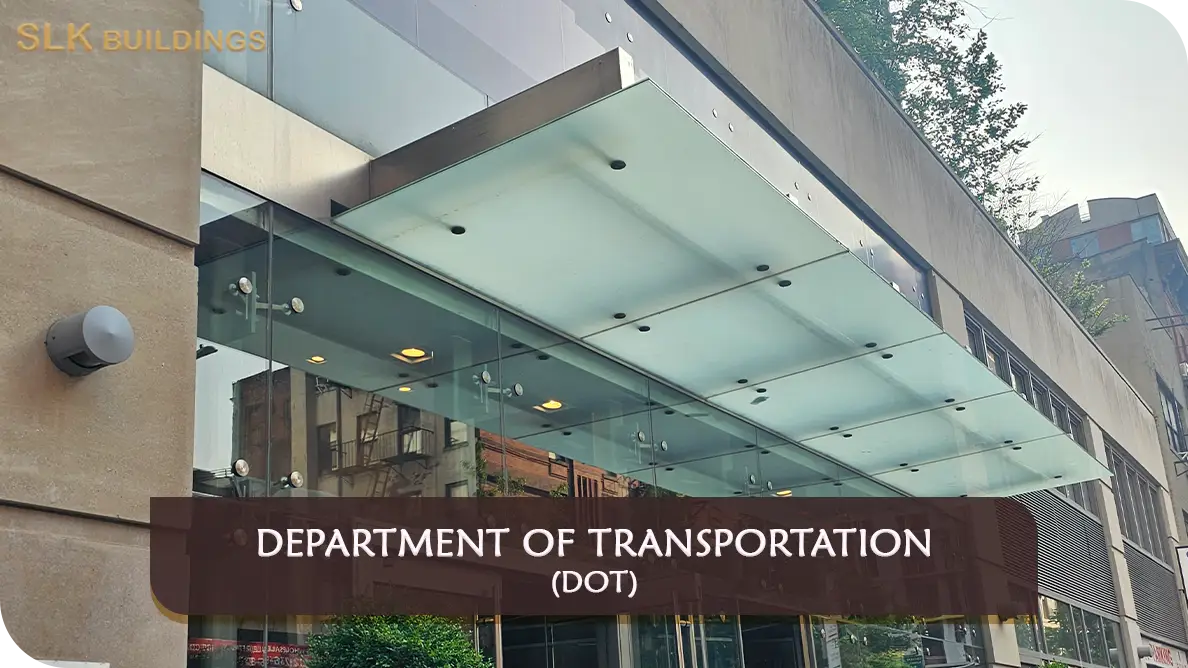
Permit Coordination for Sidewalk Repairs, Replacements, and New Installations
NYC DOT sidewalk permits authorize applicable repair, replacement, and new sidewalk work in the public right-of-way. The filing should match the actual scope: replacing damaged flags, installing a new frontage, or repairing a sidewalk over a structural opening can require different supporting information. SLK Buildings helps coordinate the application, contractor documents, related approvals, and follow-up needed for the project.
Start with the property address, photographs, approximate work area, and reason for the project. A voluntary repair, a DOT violation, and a new building’s frontage work may look similar on site but create different filing and closeout questions.
DOT identifies sidewalk repair, replacement, and installation as sidewalk-construction activities. Its detailed guidance provides a limited exception where the area is less than 25 square feet and the work is not intended to remove a violation. That exception should not be applied to a larger project by splitting it into smaller pieces.
When a sidewalk notice is involved, keep its deadline and dismissal process separate from the permit. A permit is permission for the described work; it is not confirmation that the notice has been removed.
Related Service: NYC DOT Sidewalk Violations
When a contractor performs sidewalk repairs, DOT requires the contractor to be registered and obtain the applicable permit. Confirm the entity name, permittee information, insurance status, and authorized representative before submitting the application.
DOT has a separate procedure for private homeowners doing the work themselves. It is not a general way for an owner to obtain a permit on behalf of an unregistered contractor. Review the current ownership affidavit and submission requirements when that limited route applies.
A useful scope identifies the frontage, dimensions, existing and proposed materials, access to entrances, and any affected features. Photograph curbs, trees, utility covers, cellar doors, vaults, ramps, and transitions to neighboring sidewalks. These observations allow the project team to identify missing design or agency information early.
Avoid treating a rough quantity estimate as a technical design. The responsible contractor or design professional should determine how grades, materials, joints, and transitions will meet the applicable requirements. DOT’s construction standards address the finished sidewalk, not only the act of obtaining a permit.
A sidewalk can be the roof of a subsurface structure. DOT’s sidewalk-permit guidance calls for a DOB-approved restoration plan where the existing sidewalk is the structural roof of a vault or other opening. Identify this condition before selecting a simple replacement filing.
Related Service: NYC DOT Vault Permits
Stone, tinted paving, special scoring, or other nonstandard treatments may require review beyond an ordinary permit. The review path depends on the location, material, and previous approvals. Confirm that the proposed finish is acceptable before ordering it.
Related Service: NYC Distinctive Sidewalk Approvals
Provide the address, borough, owner contact, work description, photographs, and contractor information. Include a sidewalk notice, DOB application number, prior approval, or other relevant document where one exists. Mark unknown items clearly rather than filling them with assumptions.
Review whether the project affects trees, a structural opening, a driveway curb cut, or a larger frontage improvement. New building and certain alteration projects can involve a Builders Pavement Plan reviewed by DOB, with DOT work permits following the relevant approvals.
Coordinate the permittee record, requested work type, location, dates, and supporting information. Most contractor applications use NYCStreets. DOT reviews the application, assigns relevant conditions, and addresses any holds before issuance and payment are completed.
Check the start and end dates, permitted activity, location, and stipulations. Confirm that the contractor has the required documents and that pedestrian arrangements match the approved operation. If the necessary clear passage cannot be maintained, separate sidewalk occupancy authorization may be needed.
Keep completion photographs, contractor records, inspection correspondence, and any agency acceptance in the project file. A violation-related repair needs the dismissal process; BPP work has its own sign-off requirements. Determine the applicable closeout route rather than assuming every sidewalk job ends in the same way.
SLK coordinates application preparation, supporting records, responses to agency requests, and communication among the owner, contractor, and design team. For a violation project, we can also track the permit and dismissal-inspection tasks together while keeping their outcomes distinct.
A clear engagement identifies who designs any technical solution, who performs the work, who files, and who requests follow-up inspection. This helps prevent a missing handoff from becoming the last unresolved item after the sidewalk is finished.
Related Resource: NYC DOT Permits, Violations and Approvals

The permit cost is only one part of the project budget. Contractor pricing, professional drawings, special-material review, and related permits may also affect the scope. Confirm current agency charges for the actual permit type instead of relying on an old fee table or a price quoted for another property.
Plan the filing around the intended construction dates and weather-sensitive work. Keep permit expiration visible to the contractor and owner. An application or payment receipt should not be treated as confirmation that work can begin before the necessary authorization has been issued.

Contact SLK Buildings before scheduling sidewalk work. We can help organize the applicable permit filing and related agency coordination so the owner and contractor understand the records, responsibilities, and next steps.
SLK Buildings is a private firm and is not affiliated with NYC DOT or any government agency. Agency approval, professional design responsibilities, licensed trade work, and project-specific requirements remain part of the applicable review process.
NYC Department of Transportation requirements can affect sidewalk work, street openings, construction activity, curb cuts, temporary street occupancy, roadway closures, vaults, canopies, revocable consents, outdoor dining, and other work involving New York City streets and sidewalks.
Property owners, developers, contractors, architects, and businesses should identify the applicable NYC DOT permits and approvals before work begins. Missing permits, incomplete filings, permit holds, conflicting agency requirements, or noncompliant work can delay a project and may lead to inspections, corrective-action requirements, summonses, or other enforcement measures.
At SLK Buildings, we assist property owners, developers, contractors, architects, and businesses with NYC DOT permit filing, document preparation, agency coordination, permit follow-up, and compliance-related requirements. Depending on the project, this may include sidewalk permits, street opening permits, construction activity permits, curb cut permits, roadway closures, permittee registration, permit renewals and reissuance, permit holds and releases, revocable consents, vaults, canopies, and other DOT approvals.
Whether you are planning work in the public right-of-way, responding to a permit issue, coordinating multiple City agencies, or addressing a DOT inspection or violation, SLK Buildings can help organize the filing process, identify outstanding requirements, coordinate supporting documentation, and keep the project moving toward approval and compliance.
SLK Buildings Assists Property Owners and Project Teams with NYC DOT Requirements
SLK Buildings provides free educational content to help property owners, developers, contractors, and businesses understand NYC DOT permits, approvals, violations, and compliance requirements.
For those who prefer professional assistance, SLK Buildings is available to coordinate permit filings, supporting documentation, agency follow-up, and other NYC DOT-related project requirements.
Explore the Complete NYC DOT Permit, Violation, and Approval Resource Center
DOT describes a limited exception for work under 25 square feet when it is not for violation removal. Confirm the actual scope and applicable conditions before relying on it.
Do not assume so. Curb-cut projects involve DOB review and the applicable DOT permits. The approved scope must identify the vehicular access work.
The filing route depends on who performs the work. For contractor work, the contractor’s registration and permittee information are relevant to the application.
No. DOT’s dismissal inspection is a separate step following satisfactory repairs.
Send the address, photographs, approximate dimensions, contractor details, and any notice or approved plans. State whether the work is voluntary, violation-related, or connected to a larger building project.
Street Works Manual ~ Sidewalk Construction Permits
NYC DOB ~ Owner Requirements for Builders Pavement Plans
Street Works Manual ~ Permittee Registration
Street Works Manual ~ Sidewalk Repairs
NYC Street Design Manual ~ Sidewalk Review and Approval Process
NYC DOB ~ Builders Pavement Plan Project Category
Street Works Manual ~ Permit Application Review and Issuance
Street Works Manual ~ Sidewalk Violation Inspections and Enforcement