
DSNY Waste Management Plans for NYC Buildings
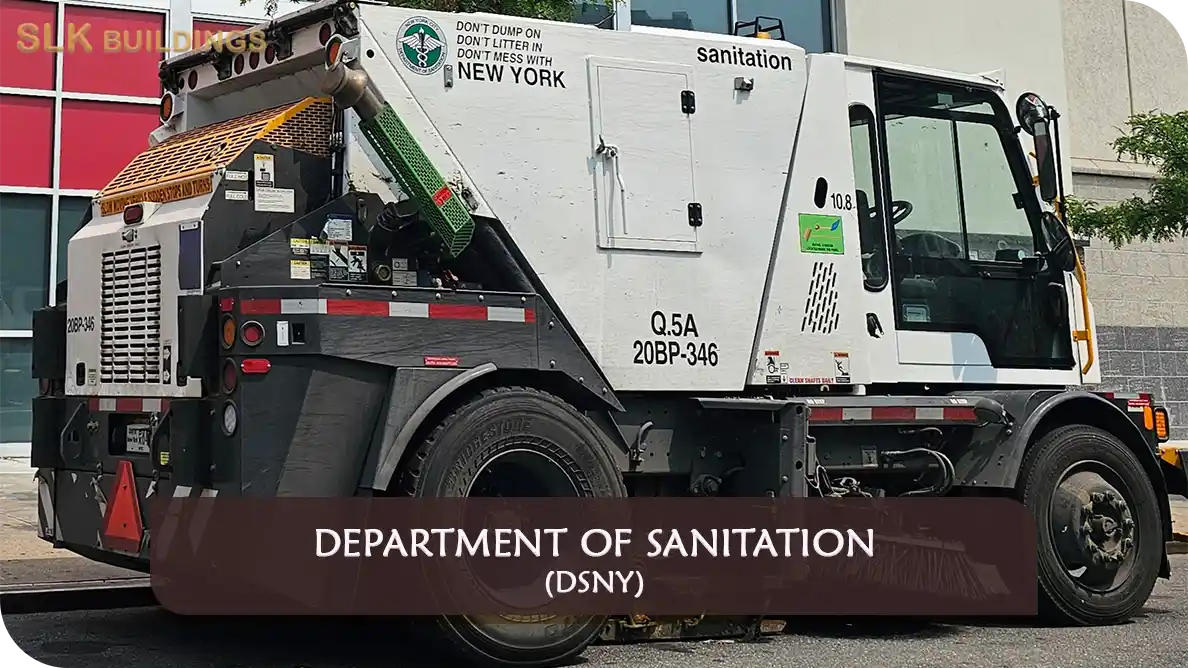
Coordinate waste planning with building design and the steps needed to start collection.
DSNY waste management plans connect a building’s design with the way occupants will store, separate and move waste. For covered residential developments, the plan is a required submission alongside the drawings sent to the Department of Buildings. The practical goal is to resolve collection and storage questions while the design can still accommodate them.
For an owner or development team, the first task is an applicability review. A proposal with several buildings, a commercial conversion or a substantial enlargement needs accurate unit counts, floor-area information and filing history. Those facts establish which requirement applies and give the design team a reliable basis for its next submission.
Which Buildings Need a Plan
Under 16 RCNY 1-02.2, covered new multiple dwellings and newly altered commercial buildings must contain at least 150 dwelling units. The rule defines which commercial conversions qualify. It also brings an existing multiple dwelling into the new-building definition when an alteration increases floor surface area by more than 110 percent over the existing floor surface area. The filing and approval dates matter because the rule took effect April 1, 2022.
Record the basis for the determination in the project file. A simple statement that a building is “large” or “under renovation” does not establish the answer. Where drawings describe several phases or different existing and proposed uses, ask the project architect to identify the relevant facts before treating the plan as unnecessary.
Find Your NYC Sanitation Topic
Choose the subject closest to your question.
Information to Assemble Before Submission
Begin with the owner and managing-agent contacts, proposed dwelling count, building plans, waste estimates and collection concept. Keep every document tied to the same property and current design revision. If the unit count or a service area changes, the waste plan should be checked against the revised drawings rather than carried forward without review.
- Identify where residents place each waste stream and how staff move it to storage.
- Show the intended containers, equipment and collection location.
- Identify the person responsible for resident instructions and daily implementation.
- Record unresolved questions for DSNY and the design professionals.
SLK Buildings assists property owners with NYC Department of Sanitation compliance filings, violation resolution, waste management plans, permits, and agency approvals.
Storage Capacity and Collection Access
The required plan must provide sanitary storage for 150 percent of the waste normally generated between scheduled collections. It addresses refuse, designated recyclables and organic waste, including separation, resident education and collection placement. The rule calls for unobstructed pedestrian movement and, where practicable, eight feet of clear pedestrian space.
Capacity should be checked using a consistent collection interval and the proposed full occupancy. A layout that works only when a building is partly occupied may fail after lease-up. Look at container access, turning space, doors and the path to collection together. A room may contain the calculated volume on paper yet still be difficult for staff to use when every container is full.
Coordinate Storage Rooms Compactors and Chutes
DSNY’s building guidance connects collection readiness with applicable Building Code requirements for waste storage, compactors and refuse chutes. New construction and qualifying alterations require a project-specific code review; existing required storage and equipment must also be maintained and used properly.
The architect and other required professionals should resolve the technical design. Coordination work should keep the waste plan, equipment information and construction drawings consistent. For a proposed loading dock or container collection system, resolve access and service compatibility before the equipment is ordered or the room is built.
Review Comments and Collection Readiness
DSNY directs applicants to arrange a consultation and describes an initial review period, a resubmission process after rejection and further review of an amended plan. A covered building can be denied collection if the plan has not been approved or its implementation has not been certified.
Maintain the submission receipt, review correspondence and a clear response to each comment. Mark who owns the response and which drawing or explanation closes it. Before collection is requested, compare the installed arrangement with the accepted plan and resolve material differences. This gives the owner an orderly handover from design coordination to building operations.
How SLK Buildings Helps
SLK Buildings helps organize the applicability records, coordinate submission information and track DSNY comments alongside the related DOB work. We can help the owner and design team maintain one current set of documents and identify the next agency action. The project’s required professionals remain responsible for their technical designs and certifications.

Learn More About NYC Sanitation Requirements
Violations and property compliance
Residential building applications and compliance
Commercial building waste
Construction waste coordination
Permits and regulated waste operations
Frequently Asked Questions
Does every apartment building need a DSNY waste management plan?
No. The formal submission requirement applies to the building categories defined in 16 RCNY 1-02.2, with at least 150 dwelling units. Other buildings still need compliant waste storage and collection arrangements.
When should the plan be submitted?
Covered plans are submitted when plans containing design drawings are submitted to DOB. Start coordination before that stage so storage and access issues can be reflected in the design.
Is the plan the same as a new collection request?
No. Plan review addresses the covered building’s waste arrangement. A separate collection-service request addresses starting DSNY service at the property and the required supporting documents.
Can a small storage room be offset by more frequent pickup?
Collection frequency affects the capacity analysis, but an assumed schedule is not enough. The project must demonstrate compliant storage and a collection arrangement acceptable for that building. Confirm assumptions with DSNY before relying on them.
Who should resolve compactor or chute design questions?
The project’s architect and other required design professionals should address applicable code and equipment details. SLK can coordinate their information with the submission and agency comments.
What should the owner keep after review?
Keep the accepted plan, submission and response records, current equipment information and implementation documentation. Provide the operating team with the final storage, separation and collection procedures rather than an earlier design version.

Contact SLK Buildings About a Sanitation Violation
Share the property address, proposed unit count, project type and current DOB filing stage. SLK Buildings can help organize the plan requirements, submission information and coordination needed for the next step.
🚧 Seeking Professional Guidance on NYC Department of Sanitation (DSNY)
New York City Department of Sanitation requirements can affect how residential and commercial properties store, separate, set out, collect, and manage waste. Property owners and businesses may also encounter sanitation violations, summonses, waste management plans, container requirements, registrations, and specialized permits. Determining the correct next step often depends on the property type, building use, waste stream, collection arrangement, and specific DSNY requirement.
At SLK Buildings, we help NYC property owners, managers, developers, and business owners navigate NYC Department of Sanitation requirements, organize the necessary documentation, and coordinate applicable filings and agency procedures. Our work can include sanitation violation support, waste management plans, collection-service coordination, commercial waste compliance, permit and registration preparation, and coordination with other agencies and qualified professionals when required.
Whether you are responding to a sanitation violation, planning waste management for a new or altered building, reviewing commercial waste requirements, or determining whether a DSNY permit or registration applies, SLK Buildings can help you understand the requirements, organize the documentation, and coordinate the next steps toward compliance.
SLK Buildings assists Property Owners, Managers, Developers, and Businesses with NYC Department of Sanitation matters, including:
- NYC Sanitation violations and compliance – including documentation, corrective-action coordination, and related agency response requirements.
- DSNY waste management plans and building waste-management requirements.
- NYC Sanitation permits and approvals, registrations, and applicable filing coordination.
- SLK Buildings works across Manhattan, Bronx, Brooklyn, Queens, and Staten Island.
For a complete overview of SLK Buildings’ NYC Sanitation services, permits, compliance topics, and related resources, visit our NYC Department of Sanitation Services.
SLK Buildings provides free educational content to help property owners, managers, developers, and businesses understand their options. For those who prefer professional assistance, we are available to help coordinate the applicable documentation, filings, agency requirements, and compliance process.