
NYC Snow Ice Removal Requirements for Property Owners
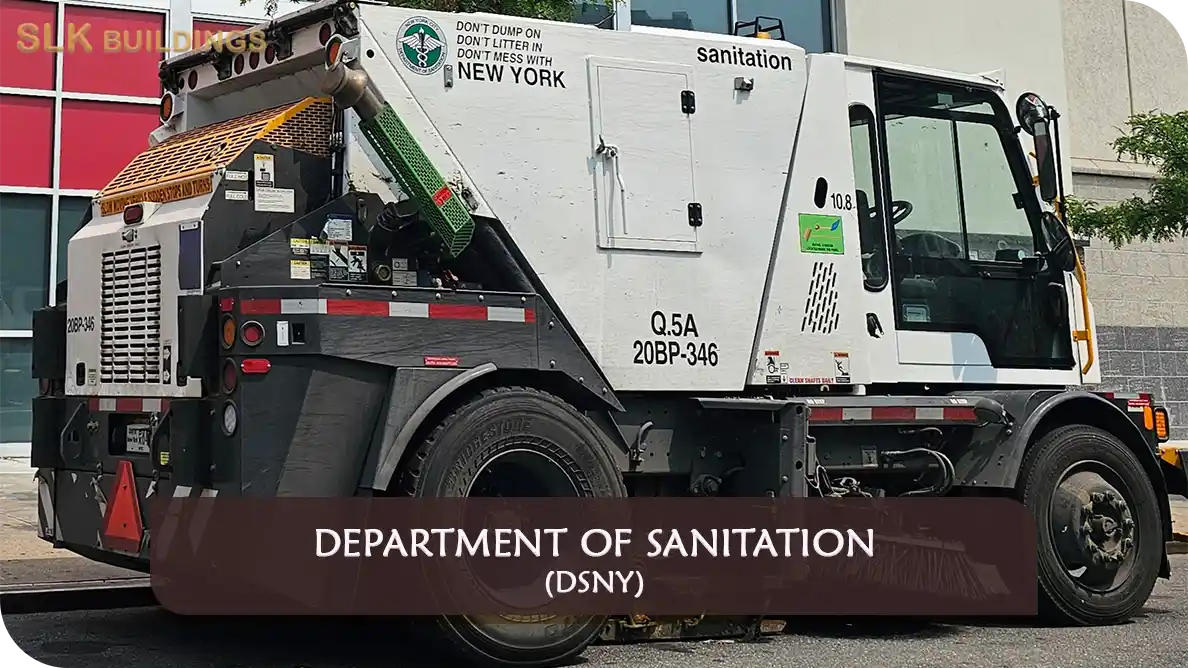
Prepare the frontage and staffing plan before a storm, then document the clearing work.
Snow clearance works best when the property team has agreed on the route, timing and backup coverage before the weather changes. A general contract to “remove snow” may leave uncertainty about side frontages, curb ramps or a return visit for ice. Owners and managers should convert that broad instruction into a site-specific plan and keep a record of what was completed.
The Basic Sidewalk Requirement
DSNY requires a cleared pedestrian path at least four feet wide. Building owners and occupants also have responsibilities around adjoining hydrants, sidewalk ramps and curb cuts. Snow must not be pushed into the street. Where ice is too firmly frozen to remove, granular material such as salt or sand may be used for traction, with thorough cleaning as soon as weather permits.
Inspect the entire pedestrian route, rather than measuring only the entrance. On a corner property, the cleared path should connect to the crosswalk and pedestrian ramp. NYC311 also identifies the owner’s responsibility at sidewalk bus stops without shelters; DOT handles snow and ice inside bus shelters. Snow cannot be deposited in a crosswalk or bike lane.
Find Your NYC Sanitation Topic
Choose the subject closest to your question.
How the Clearing Deadlines Work
The applicable time limit depends on when snowfall ends. DSNY publishes these time bands:
- Snow ends from 7:00 AM through 4:59 PM: clear within four hours.
- Snow ends from 5:00 PM through 8:59 PM: clear within fourteen hours.
- Snow ends from 9:00 PM through 6:59 AM: clear by 11:00 AM.
For scheduling, suppose snowfall ends at 7:00 PM. The fourteen-hour period runs to 9:00 AM the following morning. Record the weather information supporting the end time and give the crew an internal completion target that leaves room for checking the route. A deadline should guide coverage, while the actual condition determines what work is needed.
SLK Buildings assists property owners with NYC Department of Sanitation compliance filings, violation resolution, waste management plans, permits, and agency approvals.
Plan Snow Storage and Follow Up Visits
Choose snow-storage locations before equipment arrives. NYC311 identifies the building line, curb line and private property as possible locations, subject to keeping the required access clear and avoiding prohibited areas. The City does not clear the property’s sidewalk simply because street plowing created a new obstruction.
Tell the provider which doors, ramps and other access points must remain usable. Ask how it will report a location that cannot be cleared as planned. A blocked passage should be communicated immediately to the person responsible for the site rather than left as an unexplained note on a later invoice.
Arrange a way to review conditions after the initial visit. Meltwater, shade and changing temperatures can leave parts of a route in a different condition from the rest. An owner’s practical inspection plan should identify who checks those areas, how the result is recorded and when an additional visit is requested. This is useful operational planning, not a substitute for applying the actual legal requirements to the property.
Prepare the Building Team Before Winter
Use a frontage plan to show the clearing route, width, curb connections, hydrants, unsheltered bus-stop areas and proposed snow storage. Give the same plan to the manager and provider. A site walk can reveal differences between the written scope and the work needed on the ground.
- Confirm the primary provider, backup contact and person authorized to request a return visit.
- Check that coverage includes weekends, holidays and overnight events when relevant.
- Agree how crews will report arrival, completion and inaccessible areas.
- Keep the plan accessible to staff covering the property during a manager’s absence.
- Set a process for documenting concerns and assigning a follow-up action.
Keep a Useful Storm Record
A practical file includes the date, weather reference, observed snowfall-end time, crew arrival and completion times, photographs and follow-up inspections. Show the whole route in photographs as well as any specific area that required attention. Preserve the original files and distinguish observations made by staff from information reported by a contractor.
If a summons is issued, compare its alleged time and location with these records. A photograph from the following afternoon may show eventual correction without resolving what existed that morning. Keep that distinction clear. For a civil summons returnable to OATH, follow the response instructions and confirm the hearing or permitted payment route; a completed clearing visit does not itself cancel the case.
How SLK Buildings Helps
SLK Buildings can help owners organize sanitation notices, property records and the documents needed to explain a snow or ice event. We can coordinate the management action list and identify related building or sidewalk matters needing separate review. Snow clearing and treatment are performed by the owner’s staff or chosen service provider; our support focuses on compliance records and agency coordination.

Learn More About NYC Sanitation Requirements
Violations and property compliance
Residential building applications and compliance
Commercial building waste
Construction waste coordination
Permits and regulated waste operations
Frequently Asked Questions
How wide must the cleared path be?
DSNY requires at least four feet of clear sidewalk passage. Review the full route and its connections, especially at a corner, instead of checking only the area immediately outside the door.
Do I always have four hours after the snow stops?
No. The deadline changes according to the time snowfall ends. DSNY uses a four-hour daytime period, a fourteen-hour evening period and an 11:00 AM deadline for the overnight band.
Can I leave frozen ice after spreading salt or sand?
Granular treatment is an option when ice is so frozen it cannot be removed. DSNY still requires thorough cleaning as soon as the weather permits. Continue checking the condition rather than treating one application as the end of the task.
Who clears snow inside a bus shelter?
NYC311 assigns the inside of a bus shelter to DOT. Property owners are responsible for sidewalk bus stops without shelters. Identify the shelter boundary and adjoining pedestrian route in the work plan.
Will the City remove snow left across my sidewalk by a plow?
NYC311 says the City does not clear snow blocking sidewalk access even when plowing caused it. Include that possibility in the property’s inspection and follow-up arrangement.
What records are most useful after a snow summons?
Keep the complete notice, weather reference, dated photographs, crew records and staff observations. Organize them by the alleged location and time. Clearly distinguish evidence of the event from later correction photographs.

Contact SLK Buildings About a Sanitation Violation
Send the property address, relevant notice and available storm records. SLK Buildings can help organize the facts and coordinate the next compliance steps. Call 212-888-3888 or email info@slkbuildings.com.
🚧 Seeking Professional Guidance on NYC Department of Sanitation (DSNY)
New York City Department of Sanitation requirements can affect how residential and commercial properties store, separate, set out, collect, and manage waste. Property owners and businesses may also encounter sanitation violations, summonses, waste management plans, container requirements, registrations, and specialized permits. Determining the correct next step often depends on the property type, building use, waste stream, collection arrangement, and specific DSNY requirement.
At SLK Buildings, we help NYC property owners, managers, developers, and business owners navigate NYC Department of Sanitation requirements, organize the necessary documentation, and coordinate applicable filings and agency procedures. Our work can include sanitation violation support, waste management plans, collection-service coordination, commercial waste compliance, permit and registration preparation, and coordination with other agencies and qualified professionals when required.
Whether you are responding to a sanitation violation, planning waste management for a new or altered building, reviewing commercial waste requirements, or determining whether a DSNY permit or registration applies, SLK Buildings can help you understand the requirements, organize the documentation, and coordinate the next steps toward compliance.
SLK Buildings assists Property Owners, Managers, Developers, and Businesses with NYC Department of Sanitation matters, including:
- NYC Sanitation violations and compliance – including documentation, corrective-action coordination, and related agency response requirements.
- DSNY waste management plans and building waste-management requirements.
- NYC Sanitation permits and approvals, registrations, and applicable filing coordination.
- SLK Buildings works across Manhattan, Bronx, Brooklyn, Queens, and Staten Island.
For a complete overview of SLK Buildings’ NYC Sanitation services, permits, compliance topics, and related resources, visit our NYC Department of Sanitation Services.
SLK Buildings provides free educational content to help property owners, managers, developers, and businesses understand their options. For those who prefer professional assistance, we are available to help coordinate the applicable documentation, filings, agency requirements, and compliance process.