
NYC Sidewalk Cleaning and Gutter Cleaning Requirements
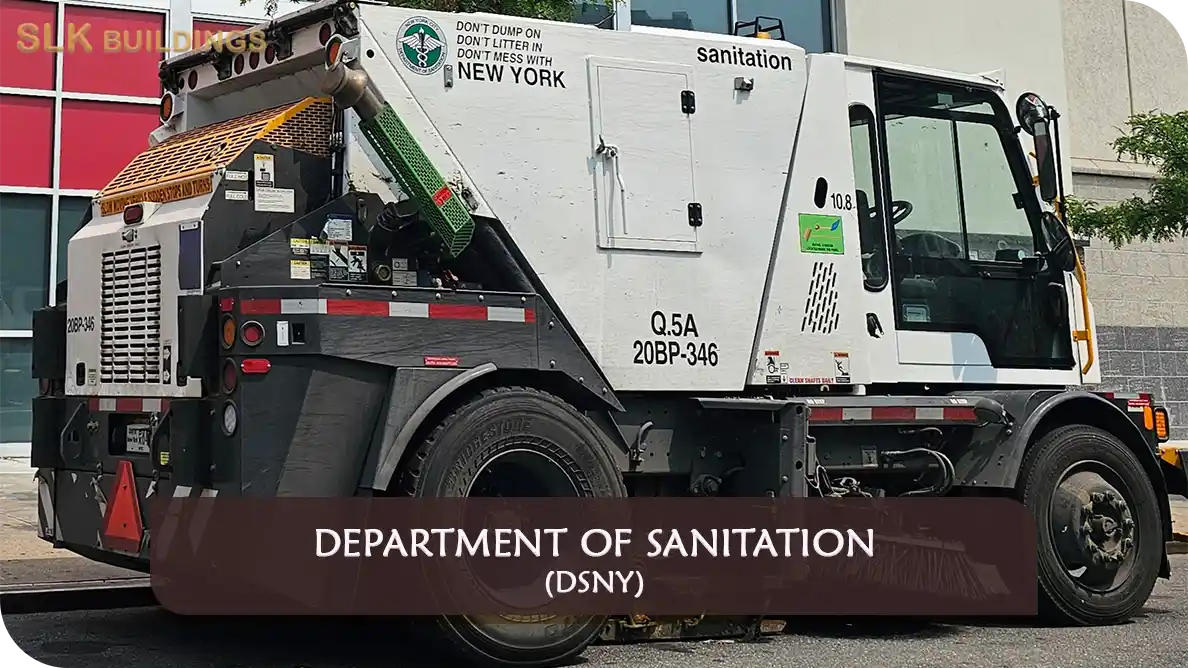
Define the full frontage, assign cleaning coverage and maintain records that explain the work.
A clean entrance does not necessarily mean the whole property frontage is being maintained. Litter can collect beside a tree, along a side street or in the gutter while the doorway looks clear. An effective sidewalk plan starts by identifying the complete area, then assigning coverage that reflects how the property actually operates. SLK Buildings helps owners and managers document responsibilities and coordinate responses to sanitation notices.
Identify the Area That Must Be Maintained
DSNY requires owners to clean adjoining sidewalks, including tree pits and grass strips, and the gutter area extending 18 inches from the curb into the street along the building perimeter. Sweepings must be collected for proper disposal rather than placed in public litter baskets.
Walk the property with the person who supervises cleaning. Mark the front and side boundaries, tree beds, recessed entrances and difficult corners on a simple site plan. A corner building may have a much longer maintenance route than its main entrance suggests. Use photographs to clarify where one team’s assignment ends and another begins.
Find Your NYC Sanitation Topic
Choose the subject closest to your question.
Know the Applicable Enforcement Routing
For dirty sidewalks, residential enforcement periods are 8–9 AM and 6–7 PM every day. Commercial properties have two one-hour periods determined by the location. For mixed-use buildings, the first-floor use matters: an operating business follows the commercial routing for the address; a permanently closed or vacant first-floor business follows residential routing. Confirm the address-specific schedule.
These routing periods apply to dirty-sidewalk and gutter enforcement. DSNY may issue other types of sanitation violations outside those periods. A routing schedule therefore should help organize inspections without being treated as a general permission to leave waste or obstructions elsewhere during the day.
SLK Buildings assists property owners with NYC Department of Sanitation compliance filings, violation resolution, waste management plans, permits, and agency approvals.
Build a Practical Cleaning Routine
Start with the building’s busiest periods. A storefront may need attention after deliveries, while a residential entrance may collect litter after the morning departure period. Check the frontage after scheduled refuse collection and after work that moves materials through the entrance. The purpose is to find predictable sources of litter and address them before they become recurring conditions.
- Assign a primary person and a backup for each frontage, including weekends and closures.
- Describe the areas to inspect rather than writing only “clean sidewalk.”
- Record completion times and any condition the assigned worker could not resolve.
- Arrange enough suitable containers for collected sweepings and other waste.
- Have a manager review repeat problem locations and adjust the schedule when necessary.
Use a short log that the team can maintain consistently. An entry should connect a date, time, location and action. A vague check mark at the end of the week is less useful for understanding a particular incident. Ask the provider to report access problems or missed visits while there is still time for management to arrange coverage.
Respond to Litter Left by Others
NYC311 states that the adjoining cleanup duty applies even when someone else caused the dirty condition. A report about chronic littering does not remove the owner’s responsibility. DSNY may inspect and issue a summons if the condition remains; the dirty-sidewalk complaint process is not a service request for City cleaning.
For a recurring issue, preserve an event log and photographs, then review the source with management. A collection point, delivery pattern or damaged bin may be contributing. Reports can be useful, but the building also needs an immediate plan for the material within its maintenance responsibility. Large dumping incidents should be assessed through the separate illegal-dumping route.
How SLK Buildings Helps
SLK Buildings can organize frontage records, cleaning responsibilities and evidence supporting a sanitation review. We can also identify whether a related condition requires a separate DOT or building filing and coordinate those steps with the appropriate team. Our role is to make the property’s obligations, documentation and next actions clear so management can assign and track the work.

Separate Cleaning From Sidewalk Repair
Cracked flags, uneven surfaces and other physical sidewalk defects are different from accumulated litter. DOT administers the sidewalk defect and repair process, including related construction permits and dismissal inspections. Sweeping a defective sidewalk does not address a repair notice, and a repair application does not replace daily sanitation maintenance.
When both problems exist, keep separate task records and connect them through the property plan. The cleaning team can identify an area that needs investigation; the responsible professional or contractor can assess the physical work. This prevents a broad instruction to “fix the sidewalk” from leaving either the sanitation or construction issue unresolved.
If a Dirty Sidewalk Summons Is Issued
Preserve the ticket and compare the recorded observation with the correct property, frontage and event timeline. Gather relevant photographs and service records without overstating what they prove. If the respondent or ownership information appears wrong, collect supporting documents and still follow the response instructions. OATH specifically warns that a named respondent should not ignore a summons over an ownership dispute.
Learn More About NYC Sanitation Requirements
Violations and property compliance
Residential building applications and compliance
Commercial building waste
Construction waste coordination
Permits and regulated waste operations
Frequently Asked Questions
Does the cleaning area include the gutter?
Yes. The responsibility extends 18 inches from the curb into the street, along with the adjoining sidewalk and areas such as tree pits. Define the full perimeter when assigning work.
Does an empty ground-floor store change routing?
It can. NYC311 distinguishes an operating first-floor business from one that is permanently closed or vacant. Check that condition and the address before applying residential or commercial dirty-sidewalk routing times.
Can the store stop arranging cleaning while closed?
DSNY says commercial premises must arrange maintenance when businesses are closed. Management should identify who covers closed days instead of assuming normal business staff will be available.
Can I put sweepings in a public litter basket?
No. DSNY says public litter baskets cannot be used for this purpose. Collect sweepings for the property’s proper waste-disposal arrangement.
Does reporting litter protect me from a ticket?
A report does not remove the adjoining cleanup responsibility. Keep the report details, arrange the required cleaning and document the action separately.
Does SLK provide a sidewalk cleaning crew?
This service focuses on compliance coordination, records and related agency issues. The owner’s staff or selected cleaning provider performs the physical work, while SLK can help organize the requirements and follow-up.

Contact SLK Buildings About a Sanitation Violation
Share the property address, frontage photographs and any sanitation or sidewalk notices. SLK Buildings can help identify the issue and organize the records and agency steps. Call 212-888-3888 or email info@slkbuildings.com.
🚧 Seeking Professional Guidance on NYC Department of Sanitation (DSNY)
New York City Department of Sanitation requirements can affect how residential and commercial properties store, separate, set out, collect, and manage waste. Property owners and businesses may also encounter sanitation violations, summonses, waste management plans, container requirements, registrations, and specialized permits. Determining the correct next step often depends on the property type, building use, waste stream, collection arrangement, and specific DSNY requirement.
At SLK Buildings, we help NYC property owners, managers, developers, and business owners navigate NYC Department of Sanitation requirements, organize the necessary documentation, and coordinate applicable filings and agency procedures. Our work can include sanitation violation support, waste management plans, collection-service coordination, commercial waste compliance, permit and registration preparation, and coordination with other agencies and qualified professionals when required.
Whether you are responding to a sanitation violation, planning waste management for a new or altered building, reviewing commercial waste requirements, or determining whether a DSNY permit or registration applies, SLK Buildings can help you understand the requirements, organize the documentation, and coordinate the next steps toward compliance.
SLK Buildings assists Property Owners, Managers, Developers, and Businesses with NYC Department of Sanitation matters, including:
- NYC Sanitation violations and compliance – including documentation, corrective-action coordination, and related agency response requirements.
- DSNY waste management plans and building waste-management requirements.
- NYC Sanitation permits and approvals, registrations, and applicable filing coordination.
- SLK Buildings works across Manhattan, Bronx, Brooklyn, Queens, and Staten Island.
For a complete overview of SLK Buildings’ NYC Sanitation services, permits, compliance topics, and related resources, visit our NYC Department of Sanitation Services.
SLK Buildings provides free educational content to help property owners, managers, developers, and businesses understand their options. For those who prefer professional assistance, we are available to help coordinate the applicable documentation, filings, agency requirements, and compliance process.