Accessibility in Historic Buildings ~ NYC Accessibility Requirements and Next Steps

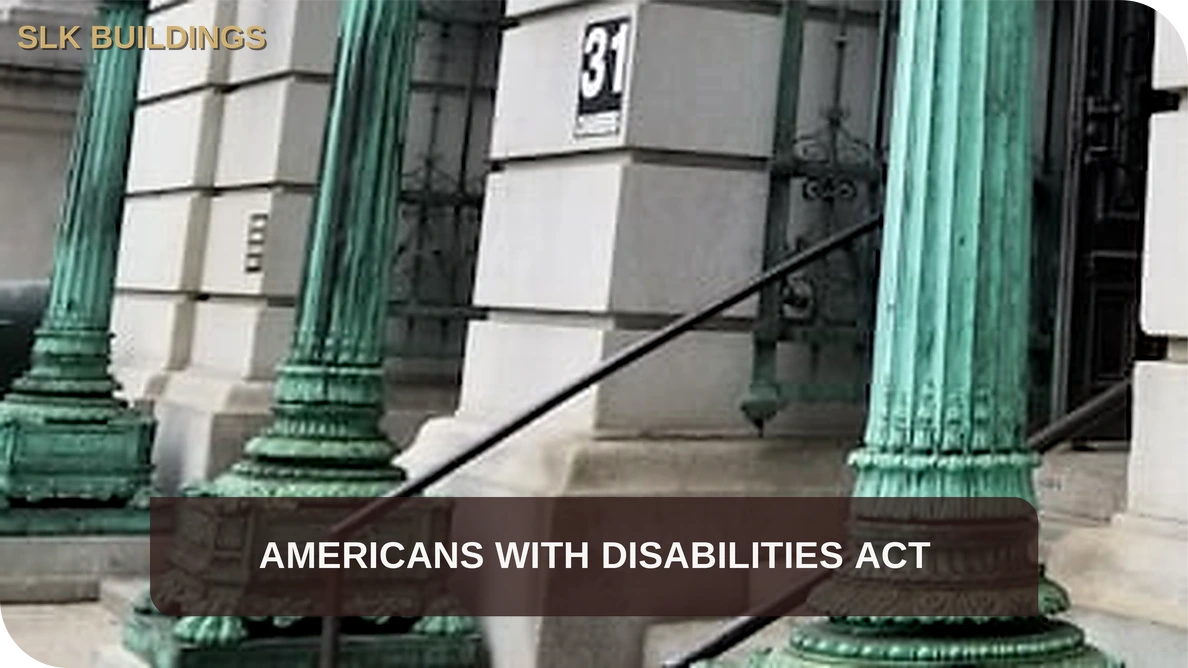
Accessibility in historic buildings requires balancing access obligations with protected architectural features. NYC LPC encourages barrier-free access at designated properties while evaluating the visual and material impact of proposed ramps, lifts and entrance modifications.

Historic status does not create an automatic exemption from the ADA or City accessibility requirements. LPC approval addresses preservation issues, while DOB and applicable civil-rights authorities have their own requirements.

A useful starting point is to review the work or facility type, the controlling rules and the documents already available. See all ADA topics for a broader comparison of the subject.

SLK Buildings assists with practical NYC Energy Code records, documentation and project coordination.

What Accessibility in Historic Buildings Means

The review should start with a practical question: confirm whether the property is an individual landmark or within a historic district. Relevant records and professional advice may change how the team addresses that question. One common error is assuming a historic designation automatically permits a permanently inaccessible entrance. Each decision should be tied to the specific project facts.

Whether this topic calls for a formal filing, field review or further professional advice depends on existing conditions and applicable rules. Keep the records and responsibilities of each regulator separate.

When Accessibility in Historic Buildings Requirements Apply

  • Confirm whether the property is an individual landmark or within a historic district.
  • Identify the required accessible entrance and route under applicable law.
  • Study less intrusive design options and retain significant historic fabric where feasible.
  • Coordinate LPC authorization with any needed DOB or sidewalk-related permits.

Typical Review and Documentation Steps

  • Document existing elevations, protected features and public entrance conditions.
  • Develop barrier-free options with architectural and accessibility professionals.
  • Review the chosen proposal against LPC guidance and applicable standards.
  • Submit required agency applications and verify the approved design during construction.

How SLK Buildings Helps

  • Organize available property records, existing drawings, project scope information and agency correspondence related to Accessibility in Historic Buildings.
  • Identify documentation gaps, needed follow-ups and the questions that should be directed to the responsible design or legal professional.
  • Coordinate communications and next-step tracking among owners, managers, contractors and properly authorized professionals within the agreed service scope.
  • Maintain a practical record of outstanding submissions, reviews, revisions and available agency decisions without representing any outcome as guaranteed.

SLK Buildings supports record organization and project coordination; regulated professional work and legal determinations remain with appropriately qualified providers.

Breaking Down Barriers. Building Better Accessibility.

Common Mistakes to Avoid

  • Assuming a historic designation automatically permits a permanently inaccessible entrance.
  • Providing only a remote rear service entrance without assessing lawful public access.
  • Treating LPC preservation permission as a waiver of ADA obligations.

What to Check Before Moving Forward

Confirm the building use, facility type, available plans and the precise accessibility concern. Separate federal ADA obligations from DOB design review, State and City civil-rights laws, and housing-specific duties. A feature may need to satisfy more than one applicable set of requirements.

Where construction is proposed, a registered design professional should evaluate dimensions and permit implications. Where legal obligations, complaints, accommodation requests or waivers are involved, appropriately qualified legal or technical professionals may be required.

When Accessibility Stands in the Way, We Help Find a Way.

Contact SLK Buildings

For help organizing records and professional coordination concerning Accessibility in Historic Buildings, contact SLK Buildings or request a proposal. Provide the property address, available job or case number, work description and the documents already received. The right service scope depends on project facts and qualified professional review.

Disclaimer: SLK Buildings is a private consulting and construction-management firm, not affiliated with the U.S. Department of Justice, NYC DOB, MOPD, or any government authority. Information is educational and does not replace legal, architectural, engineering, accessibility, or other licensed professional advice. Federal ADA duties, NYC Building Code provisions, housing obligations, and waiver procedures are distinct and depend on the property, use, work scope, and current rules. Regulated design and legal services require appropriately qualified professionals. SLK does not issue ADA certifications, control agency decisions, or guarantee approvals or compliance outcomes.

🚧 Seeking Professional Guidance on ADA Accessibility Requirements

Accessibility requirements can affect business premises, residences and public-facing facilities. The federal ADA, NYC Building Code and other applicable laws address different duties, including accessible construction, alterations and access to services.

Building renovations may require DOB review, qualified design professionals and site-specific accessibility analysis. Eligible existing-building objections may involve the separate MOPD recommendation process, but local waiver procedures do not erase federal rights.

SLK Buildings assists with organizing site records, proposed work descriptions, drawing sets and coordination among owners, contractors and qualified professionals. SLK does not issue governmental ADA certificates or make binding legal determinations.

A documented record of existing conditions, current drawings, agency comments, selected design options and required follow-up can help stakeholders understand next steps and maintain clear responsibility for each item.

SLK Buildings Assists with ADA and NYC Accessibility Requirements

SLK Buildings offers educational resources that help owners and project participants identify common procedures and the records required for meaningful professional review.

Where professional assistance is needed, SLK can coordinate available documentation and next-step tracking within its agreed service scope. Licensed design, inspection and legal work must be directed to appropriately qualified providers.

Disclaimer: SLK Buildings is a private consulting and construction-management firm, not affiliated with the U.S. Department of Justice, NYC DOB, MOPD, or any government authority. Information is educational and does not replace legal, architectural, engineering, accessibility, or other licensed professional advice. Federal ADA duties, NYC Building Code provisions, housing obligations, and waiver procedures are distinct and depend on the property, use, work scope, and current rules. Regulated design and legal services require appropriately qualified professionals. SLK does not issue ADA certifications, control agency decisions, or guarantee approvals or compliance outcomes.

Frequently Asked Questions

Can a landmark add a ramp?

Often there are design options; LPC evaluates proposals and site conditions.

Are historic buildings exempt from ADA?

No automatic blanket exemption applies; legal and technical provisions require careful analysis.

Can sidewalk work require another approval?

Yes. Work extending into the public right-of-way may involve NYC DOT requirements.