
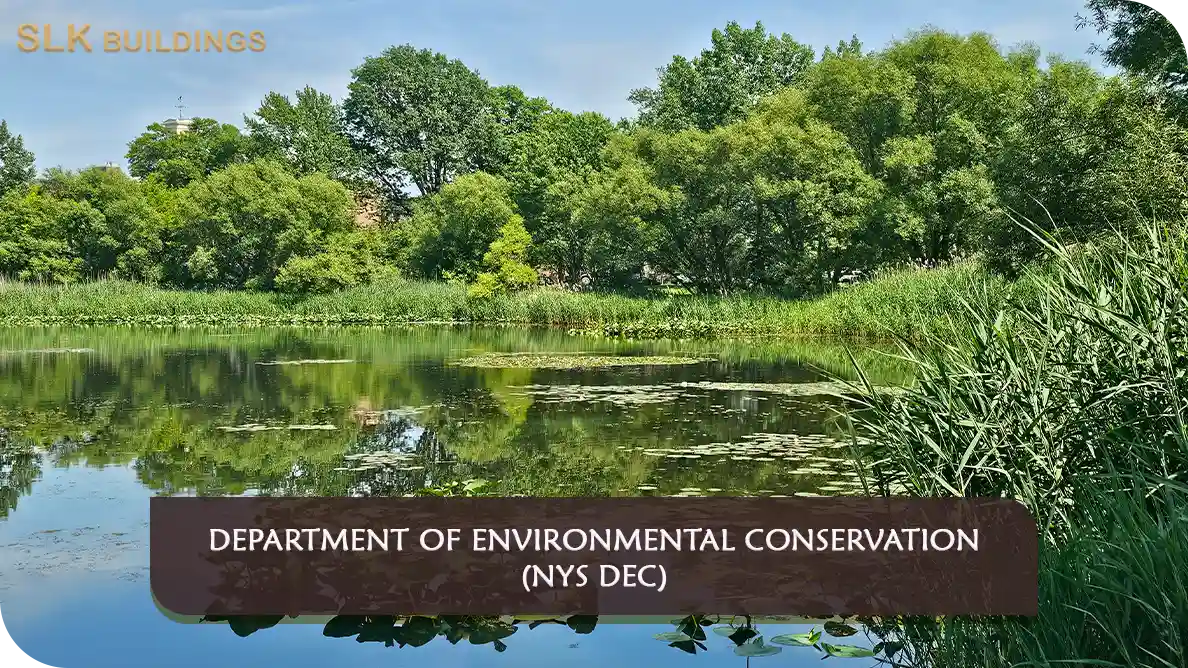
A practical overview of program requirements, permit applicability, compliance records, and project coordination in New York State
Stormwater runoff can carry sediment, petroleum, chemicals, and other pollutants into waterways. The NYS DEC Pollution of Stormwater topic covers stormwater prevention practices, discharge permitting, and the coordination required to protect water quality.
NYS DEC pollution of stormwater requirements are relevant to property owners, developers, contractors, facility managers, and businesses evaluating environmental responsibilities in New York State.
The applicable rules depend on the facility, site conditions, regulated activities, and the most current agency guidance. Early review can help avoid incomplete filings, unauthorized work, and preventable delays.
Stormwater is precipitation or snowmelt runoff that moves across roofs, streets, construction areas, parking lots, and industrial sites. As it flows, it may collect sediment, nutrients, oils, trash, and other contaminants.

New York uses the State Pollutant Discharge Elimination System (SPDES) for qualifying stormwater discharges. Construction, industrial activity, and regulated municipal separate storm sewer systems can be subject to different general permits and program requirements.
Review runoff controls, stormwater permit applicability, and construction dewatering coordination.
Looking for a different environmental requirement? Explore our related NYS DEC resources.
Statewide, construction activity disturbing one acre or more generally requires coverage under the construction stormwater general permit or an individual SPDES permit. Lower disturbance thresholds can apply in New York City and the NYC East of Hudson watershed. A common plan of development may affect the calculation.
A Stormwater Pollution Prevention Plan (SWPPP) identifies site conditions, potential pollutants, erosion and sediment controls, construction sequencing, inspections, and long-term stormwater practices where required. Its contents depend on the project and applicable permit.
Controls may include stabilized entrances, sediment barriers, temporary seeding, stockpile protection, inlet protection, and site stabilization. Controls must be selected, installed, and maintained based on site conditions.
Certain industrial activities with exposure to stormwater may require coverage under an industrial stormwater permit, subject to applicable eligibility and exclusion provisions. Facility operations and drainage patterns should be evaluated.
Regulated municipal storm sewer systems have their own program responsibilities. Local land-use approvals and municipal stormwater requirements can also apply to private development.
Track site inspections, maintenance, corrective actions, permit documents, and stabilization status. Termination of permit coverage generally requires satisfying the applicable permit conditions.
Potential problems include unpermitted land disturbance, missing or inadequate SWPPPs, failed sediment controls, unauthorized discharges, deficient inspections, and failure to stabilize disturbed areas.
Review the relevant notice or finding, preserve records, identify deadlines, avoid further unauthorized activity, and obtain qualified professional guidance where technical or legal issues are involved.
Screen the site early, determine the applicable SPDES category, plan drainage and controls, assign inspection responsibilities, and keep documentation current through construction and stabilization.
Maintain site plans, current permits or registrations, agency correspondence, inspection reports, technical assessments, photographs, and a dated record of corrective actions as applicable.
Environmental compliance may require coordination among owners, environmental consultants, engineers, contractors, and regulatory agencies. SLK Buildings can discuss documentation organization, permit tracking, and project coordination to determine which assistance is appropriate and when specialized professionals are required.
No. Applicability depends on disturbed acreage, location, and common-plan rules.
A Stormwater Pollution Prevention Plan describes required practices for managing stormwater and reducing pollutant discharges.
No. Certain NYC and East of Hudson projects can be subject to lower thresholds.
Yes. Industrial stormwater permitting has distinct applicability and compliance requirements.
No. Local approvals and state discharge permits may both apply.
If your property or project involves the NYS DEC pollution of stormwater, contact SLK Buildings to discuss documentation, compliance planning, and permit coordination needs. Project-specific technical determinations should be confirmed with NYS DEC and appropriately qualified professionals.

Given the intricacies of New York State’s Department of Environmental Conservation regulations, property owners should seek qualified assistance when dealing with NYS DEC Department of Environmental Conservation. The right guidance can mean the difference between weeks of delay and a swift resolution.
At SLK Buildings, we’ve spent over 25 years helping NYC homeowners, developers, and business owners navigate DOB requirements, file the right paperwork, and remove violations efficiently. Our team understands both the legal framework and the practical steps needed to lift a Stop Work Order ~ from site inspections and permit filings to coordination with licensed professionals and city agencies.
Whether you’re dealing with an emergency shutdown or a complex project suspension, SLK Buildings provides clear strategies to restore compliance, reduce penalties, and get your project moving again.
SLK Buildings assists Home Owners in dealing with NYS DEC Department of Environmental Conservation
SLK Buildings provides free educational content to help property owners understand their options.
For those who prefer professional assistance, we’re available to manage the process on your behalf.