
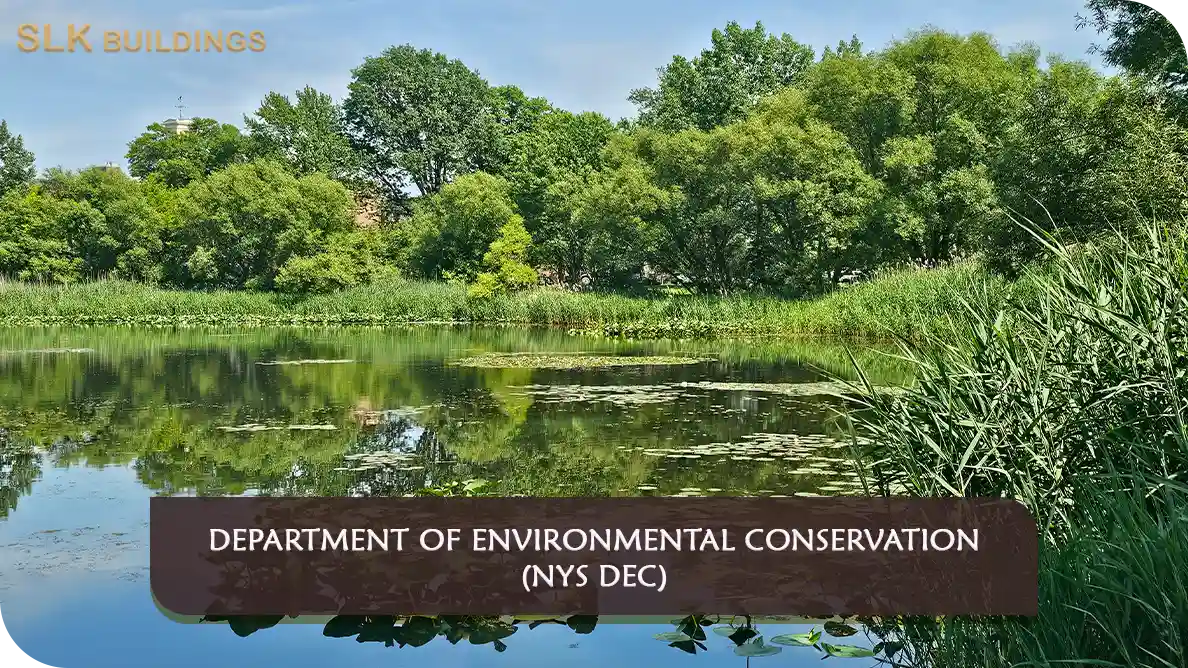
A practical overview of program requirements, permit applicability, compliance records, and project coordination in New York State
Freshwater wetlands can affect land development, grading, filling, drainage, and waterfront construction. The NYS DEC Freshwater Wetlands Program protects qualifying wetlands and adjacent areas, with jurisdictional questions requiring particular care after recent regulatory and court developments.
The NYS DEC freshwater wetlands program is relevant to property owners, developers, contractors, facility managers, and businesses evaluating environmental responsibilities in New York State.
The applicable rules depend on the facility, site conditions, regulated activities, and the most current agency guidance. Early review can help avoid incomplete filings, unauthorized work, and preventable delays.
New York’s Freshwater Wetlands Act protects qualifying freshwater wetlands and regulated adjacent areas. The program is administered under Environmental Conservation Law Article 24 and associated regulations, with jurisdiction and permitting dependent on current law and agency determinations.

Wetland vegetation, soils, hydrology, size, prior mapping, and site-specific conditions may be relevant. DEC provides a formal jurisdictional determination process. Online mapping is a screening resource and should not be treated as conclusive evidence of a property’s regulatory status.
Explore wetland jurisdiction, stream and shoreline work, and environmental restrictions that may affect waterfront or land-development projects.
NYS DEC Protection Of Waters Violations
NYS DEC Tidal Wetlands Violations
NYS DEC Coastal Erosion Violations
NYS DEC Wetland Jurisdictional Determinations
NYS DEC Stream Disturbance Permits
Looking for a different environmental requirement? Explore our related NYS DEC resources.
An April 8, 2026 Albany County Supreme Court decision affected DEC freshwater wetlands regulations. DEC’s current public guidance says it continues to require permit applications for projects affecting Previously Mapped Freshwater Wetlands and/or wetlands measuring 12.4 acres or greater. Earlier program summaries discussing smaller wetlands of Unusual Importance should not be used as the sole basis for a 2026 jurisdictional conclusion. Verify the latest DEC position for the specific property.
The state program changed beginning in 2025, and the statutory framework describes additional thresholds beginning in 2028. Because the 2026 decision affects implementation, do not rely on an acreage threshold or a 100-foot adjacent area rule without checking the current legal status and DEC guidance.
Potentially regulated activities include filling, excavation, grading, dredging, drainage alterations, construction, and other disturbance in jurisdictional wetlands or regulated adjacent areas. The precise permit determination depends on the proposed activity and site conditions.
Owners and project teams can request a formal jurisdictional determination from DEC. Assemble parcel information, plans, site photographs, mapping, and any delineation materials, and retain the written agency response.
A project may need freshwater wetlands authorization as well as Protection of Waters, stormwater, local wetlands, federal Clean Water Act, or SEQR review. Agency responsibilities and jurisdiction are not interchangeable.
Issues can include beginning work without a jurisdictional review, relying on outdated maps, unauthorized fill or grading, incomplete site plans, and ignoring agency permit conditions.
Review the relevant notice or finding, preserve records, identify deadlines, avoid further unauthorized activity, and obtain qualified professional guidance where technical or legal issues are involved.
Screen environmental constraints before design, request DEC clarification when appropriate, avoid regulated areas where feasible, coordinate delineations and plans with qualified professionals, and secure required approvals before disturbing the site.
Maintain site plans, current permits or registrations, agency correspondence, inspection reports, technical assessments, photographs, and a dated record of corrective actions as applicable.
Environmental compliance may require coordination among owners, environmental consultants, engineers, contractors, and regulatory agencies. SLK Buildings can discuss documentation organization, permit tracking, and project coordination to determine which assistance is appropriate and when specialized professionals are required.
No. Jurisdiction depends on current law, DEC guidance, and site-specific conditions.
No. Mapping is a useful screening tool, not a substitute for a formal jurisdictional determination.
A court decision affected the DEC regulations; consult the agency’s current guidance and obtain a property-specific determination.
Yes, if grading affects a jurisdictional wetland or regulated adjacent area and no applicable exemption applies.
Yes. Separate state, local, and federal approvals may be required.
If your property or project involves the NYS DEC freshwater wetlands program, contact SLK Buildings to discuss documentation, compliance planning, and permit coordination needs. Project-specific technical determinations should be confirmed with NYS DEC and appropriately qualified professionals.

Given the intricacies of New York State’s Department of Environmental Conservation regulations, property owners should seek qualified assistance when dealing with NYS DEC Department of Environmental Conservation. The right guidance can mean the difference between weeks of delay and a swift resolution.
At SLK Buildings, we’ve spent over 25 years helping NYC homeowners, developers, and business owners navigate DOB requirements, file the right paperwork, and remove violations efficiently. Our team understands both the legal framework and the practical steps needed to lift a Stop Work Order ~ from site inspections and permit filings to coordination with licensed professionals and city agencies.
Whether you’re dealing with an emergency shutdown or a complex project suspension, SLK Buildings provides clear strategies to restore compliance, reduce penalties, and get your project moving again.
SLK Buildings assists Home Owners in dealing with NYS DEC Department of Environmental Conservation
SLK Buildings provides free educational content to help property owners understand their options.
For those who prefer professional assistance, we’re available to manage the process on your behalf.