
NYS DEC Tidal Wetlands Violations | Key Steps Explained
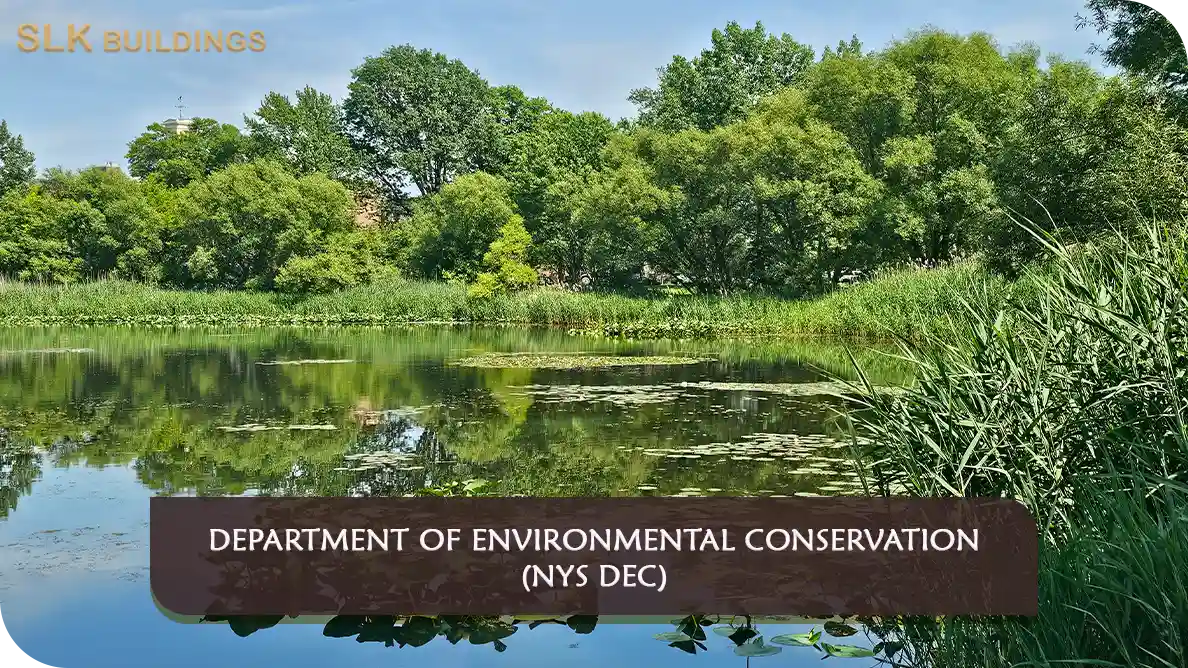
Understanding Tidal Wetlands Regulations, Waterfront Construction Permits, Bulkhead Violations, and Environmental Compliance in New York
NYS DEC tidal wetlands violations can affect property owners, developers, contractors, waterfront businesses, and building managers undertaking construction or property improvements near regulated coastal wetlands.
The New York State Department of Environmental Conservation (NYS DEC) regulates tidal wetlands and certain adjacent areas to protect coastal ecosystems, aquatic habitats, water quality, and natural flood protection.
Construction involving bulkheads, docks, piers, shoreline stabilization, excavation, filling, and waterfront development may require environmental authorization before work begins.
Failure to obtain required permits or comply with approved permit conditions can result in enforcement actions, corrective measures, restoration obligations, or penalties.
Understanding tidal wetlands requirements is especially important for waterfront properties in New York City, Long Island, Westchester County, and other areas subject to tidal wetland jurisdiction.
SLK XXXXXX
What Are NYS DEC Tidal Wetlands Violations?
NYS DEC tidal wetlands violations generally involve alleged failures to comply with environmental laws, regulations, permits, or enforcement orders governing activities in regulated tidal wetlands and adjacent areas.
New York’s principal tidal wetlands regulatory framework includes Environmental Conservation Law Article 25 and 6 NYCRR Part 661.
Potential violations include:
- Constructing structures in regulated tidal wetlands without required permits.
- Performing unauthorized excavation, grading, or filling.
- Installing or modifying bulkheads without necessary authorization.
- Building or expanding docks, piers, and waterfront structures outside approved limits.
- Disturbing regulated tidal wetland vegetation.
- Performing unauthorized shoreline stabilization.
- Failing to comply with tidal wetlands permit conditions.
- Expanding construction beyond approved project boundaries.
- Failing to complete required restoration or mitigation work.
Whether a particular activity requires a permit depends on its location, wetland classification, nature, and applicable regulatory provisions.
SLK Buildings resolves DEC violations fast with compliance filings, remediation plans, and agency closures ~ approvals often secured in 48 hours for urgent cases.

What Are Tidal Wetlands in New York State?
Tidal wetlands are environmentally important coastal areas influenced by tidal waters.
They occur along portions of New York’s shoreline, estuaries, bays, inlets, and tidal waterways.
Intertidal Marshes
Intertidal marshes are vegetated areas influenced by tidal flooding and exposure.
These wetlands provide important habitat and contribute to shoreline protection.
High Marshes
High marshes are coastal wetland areas generally located at higher elevations than regularly flooded intertidal marshes.
They may be inundated during higher tides or other coastal water-level events.
Coastal Fresh Marshes
Certain tidally influenced wetlands contain freshwater vegetation rather than salt-tolerant plants.
These areas may still fall within the tidal wetlands regulatory program.
Coastal Shoals, Bars, and Mudflats
Certain unvegetated coastal areas may also be classified as tidal wetlands.
Their regulatory status depends on applicable wetland definitions and mapping.
Tidal Wetland Adjacent Areas
NYS DEC also regulates certain areas next to tidal wetlands.
These areas provide environmental buffers and may be subject to development restrictions.
Wetlands, Waterways & Shorelines
Explore wetland jurisdiction, stream and shoreline work, and environmental restrictions that may affect waterfront or land-development projects.
NYS DEC Protection Of Waters Violations
NYS DEC Tidal Wetlands Violations
NYS DEC Coastal Erosion Violations
NYS DEC Wetland Jurisdictional Determinations
NYS DEC Stream Disturbance Permits
Explore Other NYS DEC Topics
Looking for a different environmental requirement? Explore our related NYS DEC resources.
Where Do NYS DEC Tidal Wetlands Regulations Apply?
NYS DEC’s tidal wetlands program is especially relevant to coastal and tidal waterfront properties.
New York City Waterfront Properties
Properties in Brooklyn, Queens, Staten Island, the Bronx, and other waterfront areas may be subject to tidal wetlands regulations.
A property does not necessarily need to contain visible marsh vegetation to be affected by adjacent-area restrictions.
Long Island Waterfront Development
Tidal wetlands occur along many Long Island bays, creeks, inlets, and coastal shorelines.
Waterfront construction and shoreline improvements may require NYS DEC authorization.
Westchester and Rockland County Shorelines
Certain tidally influenced areas along the Hudson River and other waterways are regulated under the tidal wetlands program.
Other Tidally Influenced Locations
Permit applicability depends on the tidal influence, mapped wetland boundaries, and applicable regulatory criteria.
Property owners should review official maps and consult NYS DEC where jurisdiction is uncertain.
NYS DEC Tidal Wetlands Adjacent Area Requirements
A major consideration for waterfront property owners is that tidal wetlands regulations may extend beyond the wetland itself.
General Adjacent Area Limits
Under NYS DEC guidance, regulated tidal wetland adjacent areas generally extend up to 300 feet inland from the wetland boundary.
Within New York City, the corresponding distance is generally up to 150 feet inland.
The actual regulated boundary may be affected by applicable geographic and regulatory limitations.
These distances should not be treated as universal building setbacks or as proof that every activity within the distance requires a permit.
Construction in Adjacent Areas
Certain construction activities within regulated adjacent areas may require permits even when no work occurs directly within the wetland.
Examples may include buildings, decks, driveways, retaining structures, and other property improvements.
Development Restrictions
Part 661 establishes use guidelines and development restrictions that may affect building locations, setbacks, runoff, and other project characteristics.
Variances From Development Restrictions
Certain projects may require a variance from applicable tidal wetlands development restrictions.
Variance requests must satisfy the relevant regulatory criteria, and approval is not guaranteed.
Common Types of NYS DEC Tidal Wetlands Violations
Unauthorized Bulkhead Construction
Bulkheads are commonly used to stabilize waterfront property boundaries and protect against shoreline erosion.
Constructing or modifying a bulkhead in a regulated tidal wetland or adjacent area may require an NYS DEC permit.
Unpermitted Dock and Pier Construction
Docks, piers, catwalks, floats, and related waterfront structures may require environmental authorization.
Permit requirements depend on the proposed design, dimensions, location, and wetland classification.
Unauthorized Filling
Placing soil, stone, concrete, or other fill in regulated tidal wetlands can alter wetland elevations and environmental functions.
Such work may result in violations when performed without required authorization.
Improper Excavation and Dredging
Excavation, grading, and dredging in regulated areas may require environmental permits.
Separate Protection of Waters authorization may also be necessary.
Unauthorized Vegetation Removal
Clearing vegetation in regulated tidal wetlands or adjacent areas may be subject to environmental restrictions.
Permit requirements depend on the activity and affected area.
Construction Beyond Approved Permit Limits
Even when an environmental permit has been issued, performing work outside approved boundaries or beyond the authorized scope may constitute a violation.
Failure to Complete Required Restoration
Some permits or enforcement orders require restoration, mitigation, or other corrective work.
Failure to complete those obligations may create additional compliance concerns.
Bulkhead Construction and Repair Violations
Bulkhead projects are a particularly important concern for waterfront property owners and contractors.
New Bulkhead Installation
Installing a new bulkhead may require tidal wetlands authorization and other environmental approvals.
Project location, wetland classification, and design are important considerations.
Bulkhead Replacement
Replacing an existing bulkhead does not automatically eliminate permit requirements.
NYS DEC distinguishes certain routine maintenance activities from reconstruction or replacement requiring authorization.
In-Kind and In-Place Replacement
Certain in-kind, in-place replacements of existing functional bulkheads may qualify as minor projects under the applicable tidal wetlands regulations.
A minor project classification does not necessarily mean that no permit is required.
Bulkhead Relocation or Expansion
Moving a bulkhead farther into regulated waters or expanding the existing structure may require additional review.
Shoreline Stabilization Alternatives
Depending on site conditions, projects may consider vegetative stabilization, living shorelines, or other approaches.
Environmental suitability and permitting requirements must be evaluated by qualified professionals.
Dock, Pier, and Waterfront Structure Permits
Waterfront structures can affect tidal wetlands, navigable waters, and coastal habitats.
Residential Docks and Piers
Residential dock construction may require tidal wetlands permits.
Certain relatively small dock projects may qualify for minor project procedures.
Commercial Waterfront Structures
Marinas, commercial docks, wharves, and other waterfront facilities may require more extensive environmental review.
Floating Docks
Floating docks may be subject to size, location, and design requirements.
The applicable permit classification depends on the project.
Dock Repairs and Maintenance
Routine repairs to an existing functional dock may qualify for an exemption in limited circumstances.
Changes to a dock’s length, width, or location generally require evaluation for permitting.
Additional Waterway Authorizations
A waterfront structure may require approvals under the Protection of Waters program or from other agencies.
Excavation, Filling, and Shoreline Alteration
Waterfront Excavation
Excavation within regulated tidal wetlands or adjacent areas may require authorization.
Work should be evaluated for potential effects on wetland elevations, vegetation, and water movement.
Placement of Fill
Fill placement can alter coastal wetland conditions and may be prohibited or restricted depending on the location and circumstances.
Dredging Activities
Dredging may require tidal wetlands and Protection of Waters permits, as well as applicable federal authorization.
Shoreline Grading
Grading and land disturbance may affect regulated wetlands or adjacent areas.
Construction Access and Temporary Disturbance
Temporary access roads, staging areas, equipment movement, and construction-related disturbance may also require evaluation.
Temporary work is not automatically exempt from environmental permitting.
How to Determine Whether a Tidal Wetlands Permit Is Required
Step 1: Identify the Property Location
Determine whether the property is near a tidal shoreline, estuary, bay, creek, or other potentially regulated area.
Step 2: Review Official Tidal Wetlands Maps
Consult the official NYS DEC tidal wetlands maps and available agency mapping resources.
Step 3: Identify the Wetland and Adjacent Area Boundaries
Determine whether the proposed work is within a regulated tidal wetland or adjacent area.
Qualified professionals may be necessary to establish boundaries accurately.
Step 4: Define the Proposed Construction Activities
Identify excavation, filling, shoreline stabilization, bulkhead work, dock installation, vegetation disturbance, or other activities.
Step 5: Review Applicable Permit Requirements
Determine whether the proposed activity requires an individual permit, qualifies for an applicable exemption, or is subject to other authorization requirements.
Step 6: Consult the Appropriate NYS DEC Office
Contact the relevant Regional Environmental Permits office for project-specific guidance.
Step 7: Obtain Required Authorizations
Where permits are required, confirm that the necessary authorizations are effective before regulated construction begins.
NYS DEC Tidal Wetlands Permit Application Process
Tidal wetlands permit applications require project-specific documentation and regulatory review.
Pre-Application Planning
Early consultation with NYS DEC can help identify environmental constraints and application requirements.
Site Plans and Wetland Boundaries
Applications may require plans identifying the property, proposed work, regulated wetland boundaries, and other relevant site conditions.
Project Drawings and Technical Documentation
Construction plans, cross-sections, elevations, and other drawings may be necessary.
Environmental Review
The proposed activity must be evaluated against applicable tidal wetlands use guidelines, development restrictions, and permit issuance standards.
Major and Minor Project Classifications
NYS DEC distinguishes major and minor projects under the applicable regulations.
These classifications affect review procedures and public notice requirements.
Permit Decision and Conditions
NYS DEC may approve a project with conditions, request modifications, or deny an application when the applicable standards are not met.
How to Address an NYS DEC Tidal Wetlands Violation
An alleged tidal wetlands violation may require environmental assessment, documentation, and coordination with NYS DEC.
Step 1: Review the Notice of Violation
Identify the alleged violations, cited regulations, deadlines, and required corrective actions.
Step 2: Review Existing Permits and Construction Records
Gather permit documents, approved plans, photographs, contractor records, and other relevant information.
Step 3: Evaluate the Affected Area
Qualified environmental professionals may need to assess wetland disturbance, unauthorized fill, shoreline alterations, or impacts to adjacent areas.
Step 4: Address Immediate Compliance Requirements
Follow applicable agency orders or directives.
Do not undertake additional regulated restoration or excavation without determining whether further authorization is required.
Step 5: Coordinate Qualified Professionals
Depending on the matter, environmental consultants, engineers, surveyors, contractors, or legal professionals may be necessary.
Step 6: Prepare Corrective Documentation
Documentation may include updated site plans, restoration proposals, environmental assessments, permit applications, or other agency-requested materials.
Step 7: Confirm Enforcement Resolution
Determine whether restoration, inspections, monitoring, penalties, or settlement obligations remain outstanding.
Obtaining a permit after unauthorized work does not automatically resolve a prior violation.
Potential Consequences of NYS DEC Tidal Wetlands Violations
Depending on the applicable law and circumstances, violations may result in:
- Civil penalties.
- Orders requiring corrective action.
- Removal of unauthorized structures or fill.
- Wetland restoration obligations.
- Environmental monitoring requirements.
- Restrictions on regulated construction activities.
- Administrative or judicial enforcement.
- Other remedies authorized by law.
The specific outcome depends on the violation, affected wetland resources, environmental impacts, and applicable enforcement authority.
NYS DEC Tidal Wetlands vs. Freshwater Wetlands
New York regulates tidal wetlands and freshwater wetlands under different environmental programs.
Tidal Wetlands: Primarily regulated under Environmental Conservation Law Article 25 and 6 NYCRR Part 661.
Freshwater Wetlands: Primarily regulated under Environmental Conservation Law Article 24 and applicable freshwater wetlands regulations.
A property may contain resources subject to more than one environmental program.
Different jurisdictional criteria, adjacent-area rules, and permitting requirements may apply.
NYS DEC Tidal Wetlands vs. NYC Waterfront Permits
Waterfront projects in New York City may require multiple approvals.
NYS DEC administers statewide tidal wetlands and other environmental permitting programs.
NYC Department of Buildings (DOB) administers applicable construction and building code approvals.
NYC Department of Environmental Protection (DEP) administers certain municipal water, sewer, and environmental requirements.
U.S. Army Corps of Engineers may require federal authorization for qualifying work in regulated waters.
Other state and local agencies may also have jurisdiction depending on the property and activity.
A NYC building permit does not automatically satisfy NYS DEC tidal wetlands requirements.
Tidal Wetlands Compliance and Waterfront Construction Coordination
Tidal wetlands regulations can affect property development, bulkhead replacement, dock construction, shoreline stabilization, and waterfront improvements.
Important coordination activities may include:
- Reviewing existing tidal wetlands permits and notices.
- Identifying potential wetland and adjacent-area restrictions.
- Organizing waterfront construction drawings and documentation.
- Coordinating with qualified environmental consultants and engineers.
- Tracking environmental permit applications and agency correspondence.
- Coordinating environmental approvals with construction schedules.
- Organizing corrective-action documentation when violations are alleged.
SLK Buildings can discuss project documentation and permitting coordination needs to determine whether the matter falls within its services or requires specialized environmental, engineering, or legal professionals.
Frequently Asked Questions About NYS DEC Tidal Wetlands Violations
What is an NYS DEC tidal wetlands violation?
An NYS DEC tidal wetlands violation generally involves failure to comply with applicable requirements governing regulated tidal wetlands, adjacent areas, or environmental permit conditions.
Do I need a permit to repair a bulkhead in New York?
Possibly. Routine maintenance of an existing functional structure may be exempt in limited circumstances, while replacement, relocation, or substantial reconstruction may require permits.
Can I build a dock in a regulated tidal wetland?
Certain dock projects may be permitted, subject to applicable wetland classifications, design requirements, and environmental review.
How far do tidal wetlands regulations extend inland?
NYS DEC generally identifies adjacent areas extending up to 300 feet inland from regulated tidal wetlands, or up to 150 feet within New York City, subject to applicable limitations.
Is filling a tidal wetland allowed?
Fill placement is subject to significant regulatory restrictions and may require permits. Some proposals may be incompatible with applicable wetland protection standards.
Does an existing bulkhead automatically qualify for replacement without a permit?
No. Existing structures do not automatically establish an exemption for replacement or modification.
Can unauthorized waterfront construction result in fines?
Yes. Unauthorized regulated work may result in civil penalties, restoration requirements, or other enforcement measures.
Are NYS DEC and U.S. Army Corps permits the same?
No. State and federal agencies administer separate permitting programs, and both may apply to a project.
Can obtaining a tidal wetlands permit resolve an existing violation?
A permit may authorize future work, but it does not automatically eliminate prior violations or outstanding enforcement obligations.
Contact SLK Buildings About Tidal Wetlands Permits and Violations
Tidal wetlands regulations can affect waterfront construction, bulkhead repairs, dock installations, shoreline improvements, and property development.
If your property or project involves an NYS DEC tidal wetlands violation, waterfront permitting issue, or environmental coordination requirement, contact SLK Buildings to discuss the documentation and permitting coordination assistance that may be appropriate.

🚧 Seeking Professional Guidance on NYS DEC Department of Environmental Conservation
Given the intricacies of New York State’s Department of Environmental Conservation regulations, property owners should seek qualified assistance when dealing with NYS DEC Department of Environmental Conservation. The right guidance can mean the difference between weeks of delay and a swift resolution.
At SLK Buildings, we’ve spent over 25 years helping NYC homeowners, developers, and business owners navigate DOB requirements, file the right paperwork, and remove violations efficiently. Our team understands both the legal framework and the practical steps needed to lift a Stop Work Order ~ from site inspections and permit filings to coordination with licensed professionals and city agencies.
Whether you’re dealing with an emergency shutdown or a complex project suspension, SLK Buildings provides clear strategies to restore compliance, reduce penalties, and get your project moving again.
SLK Buildings assists Home Owners in dealing with NYS DEC Department of Environmental Conservation
- “From Wetlands to Stormwater “
- “Permit renewals and Modifications.”
- “SLK Buildings works across Manhattan, Bronx, Brooklyn, Queens and Staten Island”
SLK Buildings provides free educational content to help property owners understand their options.
For those who prefer professional assistance, we’re available to manage the process on your behalf.