
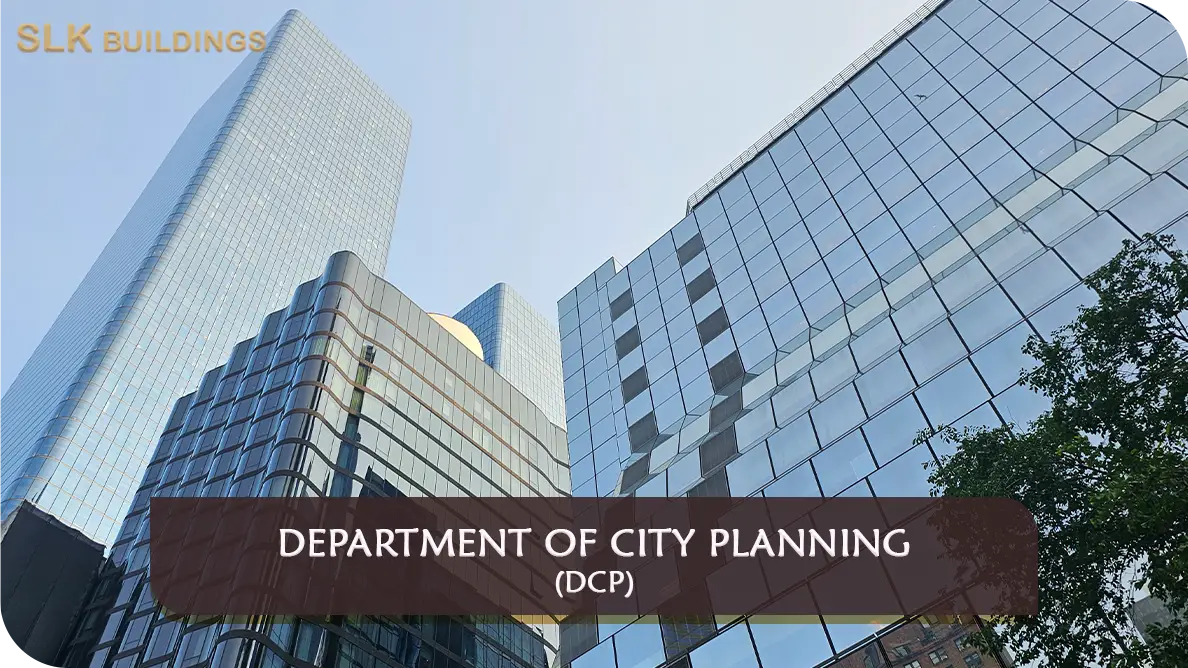
At the simplest level, NYC DCP becomes important when a project cannot move forward only by showing the Department of Buildings (DOB) that it complies with the zoning rules already in place. If the proposed use and building form comply with existing zoning, the project is generally considered as-of-right and DOB can review the zoning as part of the permit process. If the project needs the City to change zoning or exercise judgment under a specific zoning provision, it becomes a discretionary land use matter and DCP or the City Planning Commission (CPC) may need to act before the related permit path can be completed.
The New York City Department of City Planning (DCP) is central to projects that require discretionary zoning or land use approval. DCP supports the City Planning Commission (CPC), administers the City’s land use application process, maintains planning and zoning resources, and reviews applications that can change how property may be used or developed. A project that complies with existing zoning may often proceed through the Department of Buildings (DOB) without a separate DCP land use application. A project that needs a zoning change, CPC special permit, authorization, certification, or another discretionary action may require DCP review before the building-permit path can be completed.
For property owners, developers, business operators, architects, engineers, attorneys, and project teams, DCP involvement can affect feasibility, design, environmental review, public hearings, approval timing, and later DOB filings. Identifying the correct action early helps keep the zoning strategy, application drawings, environmental documents, public-review materials, and downstream permits aligned. For a topic-by-topic overview, use the NYC DCP Zoning and Land Use Applications resource center.

SLK Buildings can coordinate the DCP application path from early zoning review through project initiation, application preparation, revisions, filing, public review, and post-approval coordination. DCP’s current Project Initiation Form is built into the ZAP Applicant Portal and asks for project information, contact information, a project brief, and supporting documents before the Borough Office assigns a lead planner and identifies next steps. Related DCP guides: NYC DCP Land Use Applications.
SLK coordinates rezoning and text-amendment work with the project team, including zoning analysis, maps, project descriptions, application exhibits, environmental review coordination, public-review materials, and consistency between the requested action and the proposed development. DCP currently lists zoning map amendments as ULURP actions and zoning text amendments as non-ULURP actions. Related DCP guides: Zoning Map Amendments, and Zoning Text Amendments.
SLK coordinates CPC special permits, zoning authorizations, and zoning certifications where the applicable Zoning Resolution provision requires a discretionary finding, technical review, or certification. The particular Zoning Resolution section controls the required findings, plans, computations, exhibits, and approval conditions. CPC special permits are generally ULURP actions, while authorizations and certifications are listed by DCP as non-ULURP actions. Related DCP guides: Zoning Special Permits, Zoning Authorizations, and Zoning Certifications.
SLK supports project teams through public-review preparation, hearing exhibits, presentation materials, agency comments, modifications, and follow-up items. ULURP is the standard Charter process for specified land use actions. ELURP is a newer expedited Charter pathway for eligible actions. As of October 25, 2026, the CPC and DCP have adopted implementing rules for ELURP that take effect November 14, 2026, so current eligibility and filing procedures should be verified for each project. Related DCP guides: ULURP, and Expedited Land Use Review Procedure (ELURP).
Discretionary land use actions may require CEQR review. SLK can coordinate the land use and environmental-review tracks so project descriptions, zoning actions, drawings, reasonable worst-case development scenarios, technical studies, and public documents remain consistent. The December 2025 CEQR Technical Manual applies to environmental reviews commenced on or after December 30, 2025. Related DCP guides: CEQR Environmental Review.
Projects with prior City Planning approvals may require a modification, renewal, extension, minor change, or other follow-up action when the design, use, timing, or approval conditions change. Review the original CPC or DCP approval, approved drawings, conditions, and current zoning before selecting the filing path. Application Modifications and Renewals explains the related DCP follow-up process.

For those who prefer professional assistance, SLK Buildings is available to coordinate DCP project initiation, zoning and land use applications, ULURP, ELURP eligibility review, zoning amendments, CPC special permits, authorizations, certifications, CEQR coordination, public hearings, modifications, renewals, and related NYC agency requirements that may affect the project.
Disclaimer: SLK Buildings is a private consulting and construction-management firm and is not affiliated with the NYC Department of City Planning, the City Planning Commission, or any government agency. Information on this page is for general educational and project-coordination purposes and is not legal advice. Zoning findings, environmental determinations, eligibility, hearing procedures, approval conditions, and agency requirements depend on the specific property, proposal, Zoning Resolution provisions, and agency determinations in effect at the time of filing.
NYC Department of City Planning (DCP) requirements can affect property owners, developers, business operators, design professionals, and project teams when a project requires discretionary zoning or land use approval. DCP administers the City’s land use application process, supports the City Planning Commission (CPC), and reviews actions such as zoning amendments, CPC special permits, zoning authorizations, and zoning certifications.
Before relying on a development path, project teams should confirm the existing zoning, proposed use and bulk, prior approvals, required land use action, environmental review, public-review requirements, and downstream permit implications. Projects that comply with existing zoning may often proceed through DOB without a separate DCP land use application, while discretionary actions can require DCP, CPC, ULURP, City Council, or other agency review.
At SLK Buildings, we assist property owners, developers, business operators, architects, engineers, attorneys, and project teams with NYC DCP zoning analysis, ZAP and land use application coordination, zoning map and text amendments, CPC special permits, zoning authorizations, zoning certifications, ULURP, CEQR coordination, hearings, modifications, renewals, and related agency matters.
Whether you are starting a new application, determining the correct zoning action, responding to DCP comments, preparing for public review, modifying an approval, or carrying a land use approval into permitting, SLK Buildings can help organize the records, filings, technical materials, agency coordination, and next steps needed to move the project forward.
SLK Buildings provides free educational content to help property owners, developers, business operators, and project teams understand NYC zoning, DCP applications, ULURP, CEQR, hearings, approvals, permitting, and related compliance requirements.
For those who prefer professional assistance, SLK Buildings is available to coordinate zoning analysis, DCP project initiation, ZAP and land use application materials, zoning amendments, CPC special permits, authorizations, certifications, ULURP, CEQR coordination, hearings, modifications, renewals, and related NYC agency requirements that may affect the project.
Disclaimer: SLK Buildings is a private consulting and construction-management firm and is not affiliated with the NYC Department of City Planning, the City Planning Commission, or any government agency. Information on this page is for general educational and project-coordination purposes and is not legal advice.
DCP is the City agency that performs planning work, administers the land use application process, provides technical review, and supports the City Planning Commission. The CPC is the decision-making commission that reviews and votes on many land use applications and zoning actions within its authority.
No. Many projects that comply with existing zoning can proceed as-of-right through DOB. DCP becomes relevant when a project requires a discretionary land use action, zoning amendment, CPC special permit, authorization, certification, or another City Planning review.
ULURP is the City Charter public-review procedure for specified land use actions, including zoning map amendments and CPC special permits. DCP also reviews non-ULURP actions such as zoning text amendments, authorizations, certifications, and certain follow-up or renewal applications. The action type determines the review path and decision makers.
Yes. SLK can coordinate technical materials, project narratives, exhibits, presentation preparation, follow-up items, and related agency requirements while working with the project’s architects, engineers, environmental consultants, attorneys, and other professionals as needed.
BSA and DCP/CPC have different zoning jurisdictions. BSA handles variances, specified special permits, and certain appeals, while DCP/CPC handles zoning amendments, CPC special permits, authorizations, certifications, and other City Planning actions. The correct path depends on the relief requested and the controlling law or Zoning Resolution provision.
The project may still require DOB applications, permits, inspections, Certificates of Occupancy, and approvals from other agencies. The approved zoning conditions and drawings should be carried consistently into the downstream permit and construction-document set.